Features
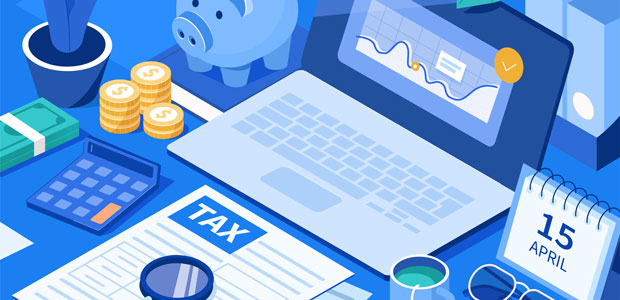
Despite the government relaxing or extending certain deadlines for several annual financial outgoings, such as insurance policies, mortgages and MOTs, the call to extend the 31st January 2019/20 self-assessment deadline was rejected.

Call it a New Year’s resolution or call it a business plan, it’s all the same in the world of startups. Setting goals and reaching for the stars is all part of the startup journey as you have to show vision, commitment, and determination in all that you do. The only difference is that it’s not about you, it’s about your business.

COVID-19 has put unimaginable pressure on small and medium sized businesses across the UK. For these businesses, now more than ever, cash flow is everything. Expenses play a major part in a business’ cash flow, and if handled correctly, can leave companies with a substantial pot of money at the end of each financial year.
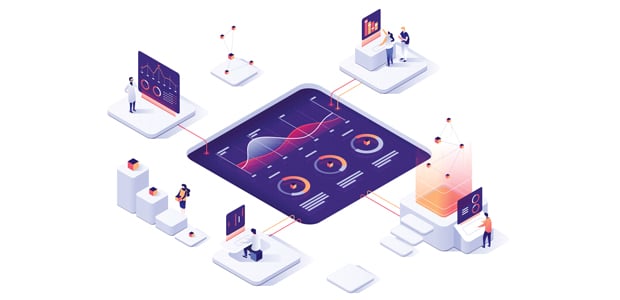
‘I’ve had this idea…’ It’s apparently ideas that drive entrepreneurs. Spotting a gap in the market, formulating an amazing product or service that will answer it. Why hasn’t anyone thought of it before? Good ideas are everything when it comes to starting a business… That is, until you find yourself blindsided by an idea that doesn’t take you anywhere because it has no data to back it up. Because while ideas are the entrepreneur’s bread and butter, it’s data that powers their production. At least, that’s been my experience.

Before we can begin to understand AI, we need to learn about the edge. A lot of people have never heard of the edge, but in truth it’s a bit like the chicken and the egg – you can’t have one without the other. For clarity, the ‘edge’ we are talking about involves the device on which you’re reading this article.

As the Corona Pandemic continues to derange the global supply chain processes and economy across the globe, consumers’ inclination towards online buying has been increasing, resulting in many businesses switching to online to stay afloat during this challenging time.

Pivoting. Along with ‘unprecedented’, ‘lockdown’ and ‘the new normal’, it’s become somewhat of a buzzword over the last 12 months – and in the conversations I have among my business contacts, partners and stakeholders, rarely a day goes by where I don’t hear it used in one way or another.

There’s no time like a crisis for entrepreneurship. Looking back, some of the most successful companies in the world were founded in times of economic and societal turmoil. It’s no wonder that millions of people want to follow the example of their founders in these trying times.
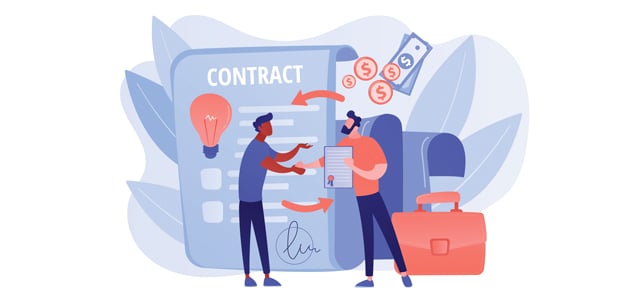
Innovative companies around the world are realising their dreams and going to market with new and creative products and services. As they’re starting out, they often assemble teams of creative minds and experts in areas of product development, research, human resources, marketing, and more. More often than not, one key member of the team often omitted is the expert focused on intellectual property (IP) and patent strategy. This area is typically the last thing on an entrepreneur’s mind as they’re launching their business.
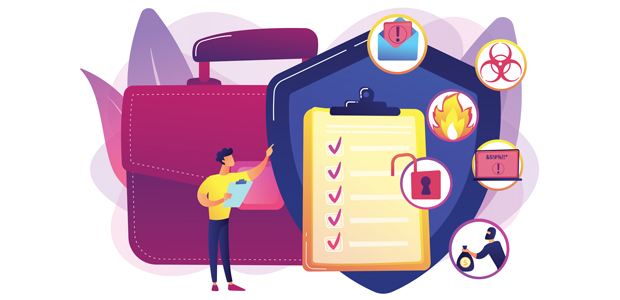
You might have a business plan but what happens when your business doesn’t, er, go to plan? You’ve invested time, money and effort in making sure your startup gets off the ground. Naturally, you want to protect it from any setbacks.

From product launches to investor pitches, in the current climate, virtual events have become essential to businesses wanting to connect with their clients. But if you haven’t planned a virtual event before, it can seem daunting. With so many hosting options, plug-ins and technicalities to think about, where’s the best place to start? We’ve compiled some top tips to help simplify the planning and make your virtual event a success.
Despite home working remaining firmly on the agenda for the near future, more than a third of people (37%) admit they still don’t have a dedicated space to work from at home. What’s more, just a quarter of home workers have invested in comfortable seating (26%) or a desk (27%).

Small businesses have files that must be kept safe and secure. They include internal documents, corporation paperwork, financial statements, insurance documentation, and any documents with personal information. Although the attention is often on cyber attacks at large companies like Amazon, LinkedIn, and Equifax, smaller companies also experience their own share of data breaches.

Venture Capital Trusts were created 25 years ago as a means of effectively channelling government support towards the UK’s most dynamic early-stage businesses. Never has this been more important than in the midst of the current global pandemic.

As the UK is now in its third national lockdown, consumers and businesses are turning once more to remotely delivered services and digital experiences to survive in the coming month. As the world adapted to the impact of COVID-19, 2020 saw a rapid increase in digitisation, including from age groups that traditionally had been slower to adapt.

Over the past few years, we have seen considerable progress on gender equality within the workplace, with logistics providers outlining their commitments to building a more diverse pipeline of talent across all levels.

Every year, one in four of us will have a mental health problem according to Mind, with the COVID-19 pandemic placing further strain on our mental wellbeing. This means it is more than likely that a member of your team could be living with mental health issues.

2020 was a major challenge for small business owners and leaders, but despite the tough environment, the UK’s largest CEO peer network organisation Vistage’s CEO Confidence Index has revealed that there is resilience in the UK SME sector. As we enter the new year, the UK SME landscape is expected to pick up steam as the economy improves post COVID-19.

Few business leaders at the start of the pandemic would have thought that video conferencing would be anything more than a temporary solution to a temporary problem. Now, nine months down the line, we are still Zooming in order to hold business meetings. What was at first a safe and novel alternative, is now an exhausting chore.
The Global Talent visa is an immigration route to the UK launched in February 2020 to replace the Exceptional Talent visa. It is one of many immigration routes that businesses looking to employ foreign nationals could use but it often appeals to startups and SMEs because Global Talent visa holders do not require sponsorship from their prospective employers.