Increasingly, the logistics industry is a technological one. The fortunes of the online retail sector is particularly interwoven with the growth of logistics – with both enjoying substantial growth during the pandemic.

There can be little doubt that the last few years have been among the liveliest in online retail on record. While the sector has seen years of relentless incremental growth, several factors converged in 2020 to instigate a boom in eCommerce, and a quickening of its growth in share of all sales.
An understandable lack of confidence has gripped most sectors across markets globally over the past two years, given the combined weight of the Covid-19 pandemic, and the pressure this applied to an already-strained global supply chain. More than ever, businesses have been challenged to perform even their critical operations, in the face of rising costs and uncertain reliability of their modes of supply.

Suffice it to say, 2021 was a challenging year for UK businesses. Brexit and COVID-19 have continued to dominate the news agenda throughout the previous twelve months, presenting challenges for organisations of all sizes. That said, new challenges began to emerge throughout the year; supply chain problems, for example, caused major disruption and product shortages for businesses and customers alike.

Environmental policies and working towards sustainable practices has been a hot topic among businesses across sectors and, crucially, across scales. While larger established enterprises are naturally responsible for a larger share of the productive overhauls required to attain Britain’s environmental targets, startups and SMEs are also increasingly outlining their commitment to sustainability.
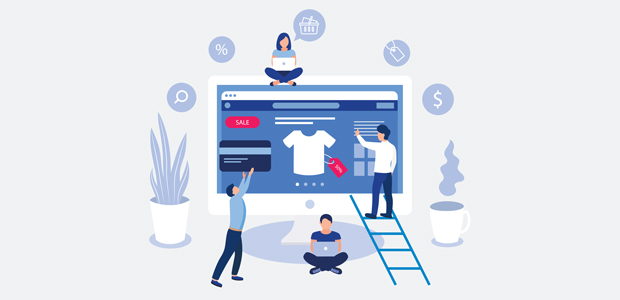
The global eCommerce markets experienced a remarkable boom period over the past 18 months, presenting agile firms with an unprecedented opportunity to secure growth from a retail sector which, even in normal trading conditions, had been on an unstoppable rise for several years.
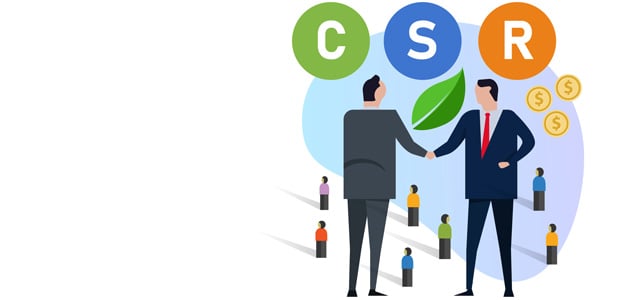
Naturally, large and small businesses have innumerate differences in their motivations and capacity to operate. For instance, SMEs commonly benefit from the flexibility imparted by smaller and more focussed teams, with ownership often aligning with management. Conversely, they may have less financial freedom to invest in diversifying or building the kind of economies of scale enjoyed by more established enterprises.
The COVID-19 pandemic and its subsequent lockdowns have placed a unique strain on many industries. As we begin to emerge into some form of normality, we may be surprised to find a radically different landscape of business strategy and consumer behaviour than previously.

The twin forces of Brexit and the coronavirus pandemic have wreaked havoc on business confidence in the UK. It therefore comes as little surprise that almost two thirds (64%) reported the combination of the two made 2020 the hardest year they have faced, according to a recent survey of commissioned by One World Express.
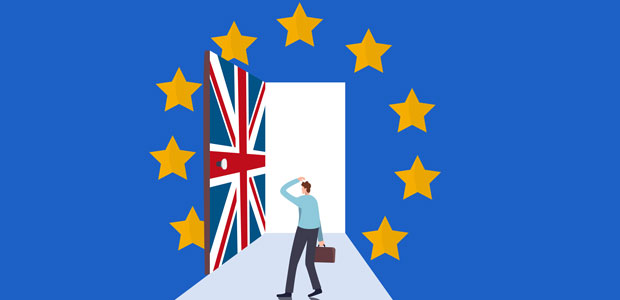
The past twelve months have been especially hard for the UK’s many businesses. After several years of negotiations, the UK finally departed from the EU with a deal that had been finalised merely eight days before the formal withdrawal.
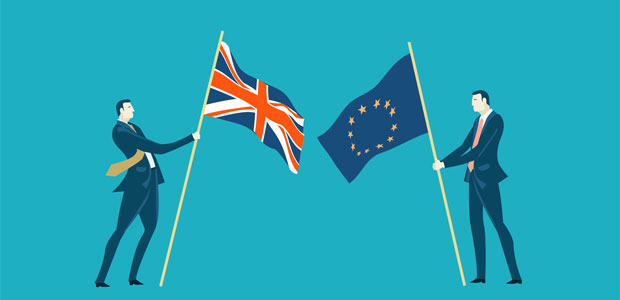
The UK’s path to Brexit has not been an easy one. Since the 2016 EU Referendum the country has experienced three different Prime Ministers, a global pandemic and a recession; all have which have made an inevitably difficult negotiation process even more complicated.