Life

Believe it or not, London is the place to be as a startup founder. According…

For most founders, burnout is something that creeps. The sense of obligation and the need…

An international survey conducted by Maria 01, one of Europe’s startup communities, reveals that startup…
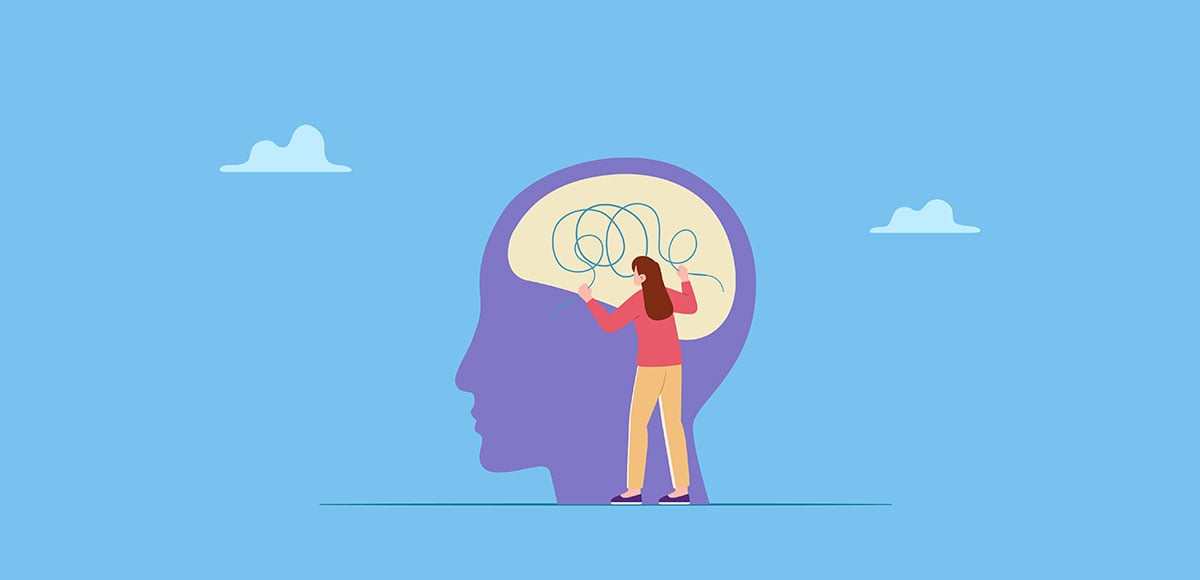
Burnout is one of the most common challenges facing founders today, yet despite the thousands…
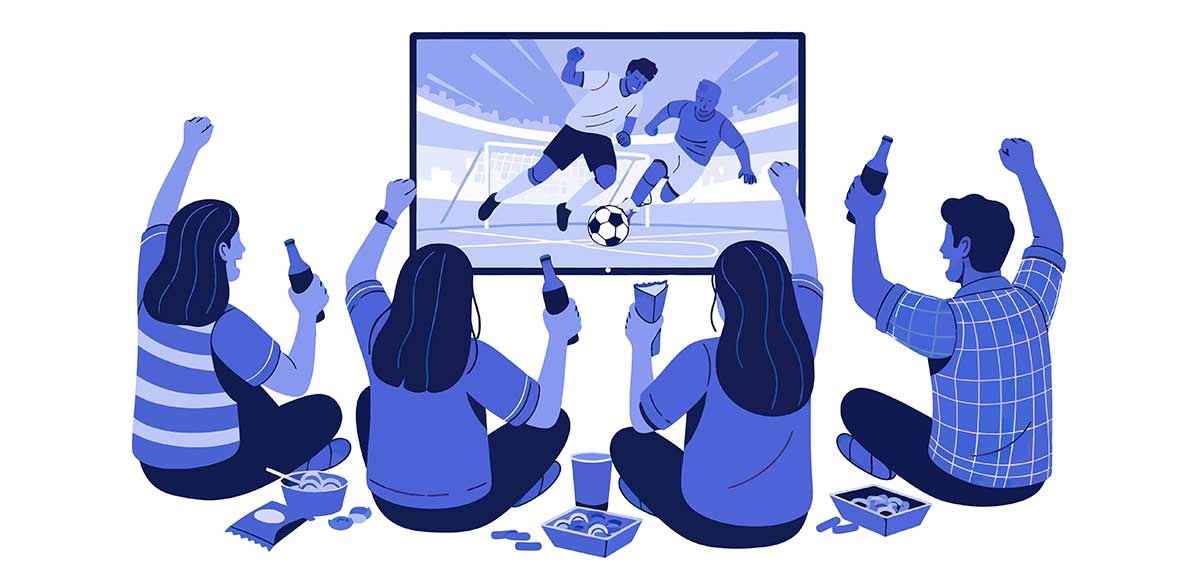
Late-night England World Cup matches are set to significantly disrupt younger workers’ routines, according to…
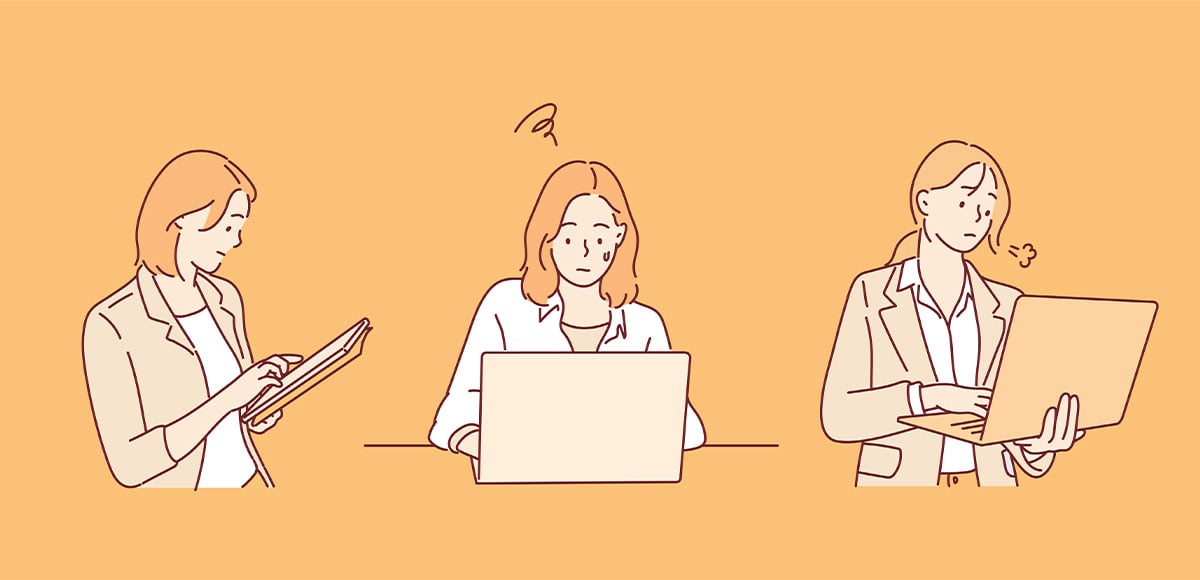
The pressure is always on… but, for founders and entrepreneurs, the current climate isn’t making…
Research from the employee benefits experts at Everywhen reveals that 43% of UK companies do…
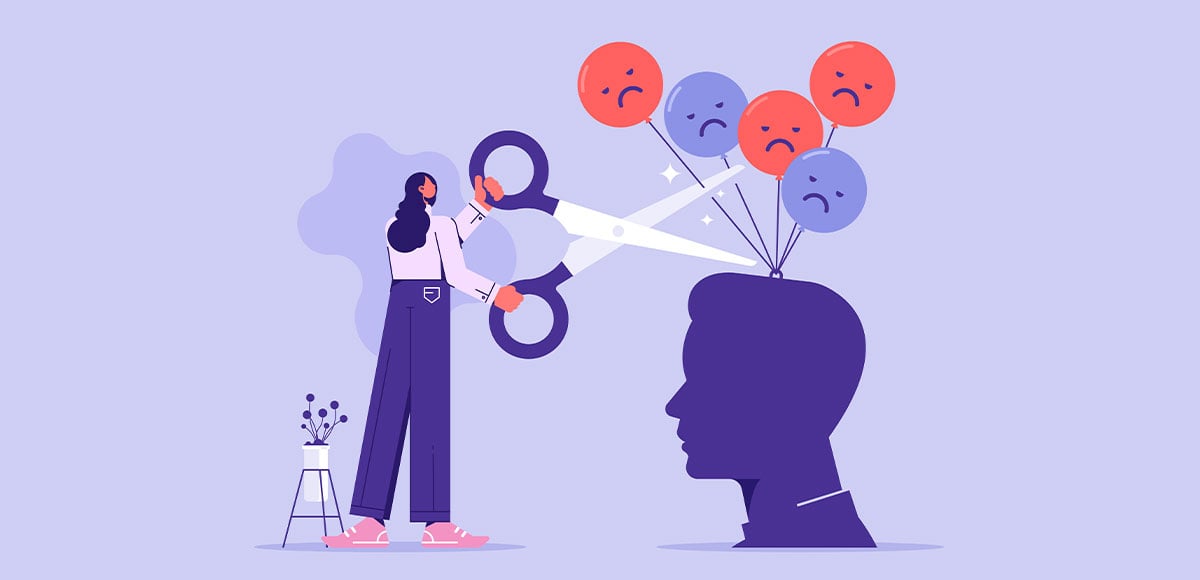
Emma didn’t expect success to feel this lonely. Her startup was growing fast. From the…

When I got my AuDHD diagnosis at 37, I did what most people do. I…
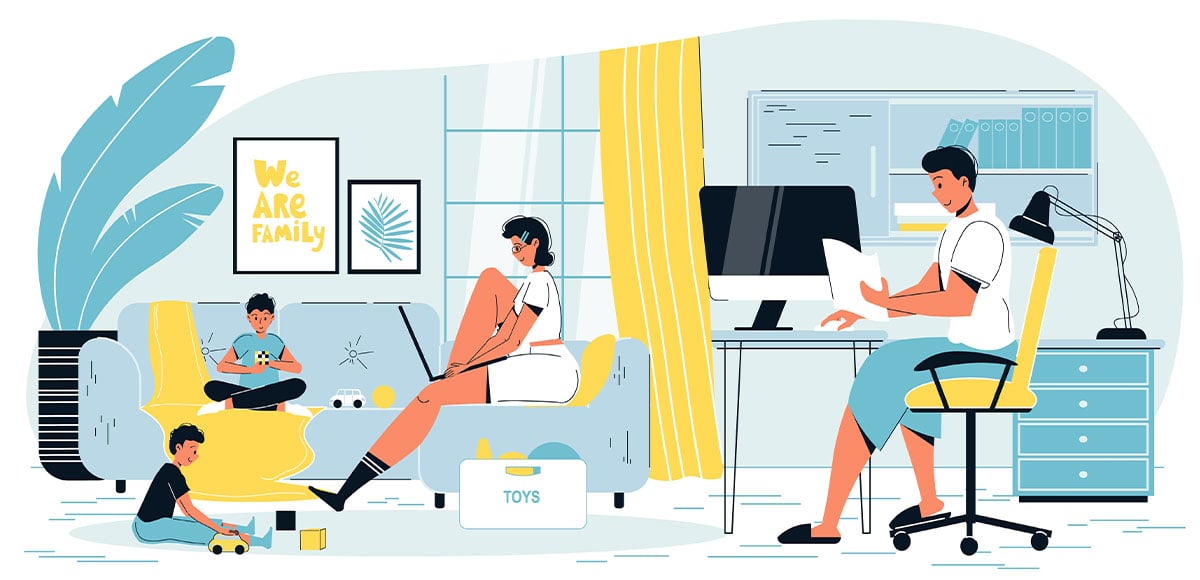
My husband and I have worked together for eight years and have been married for…
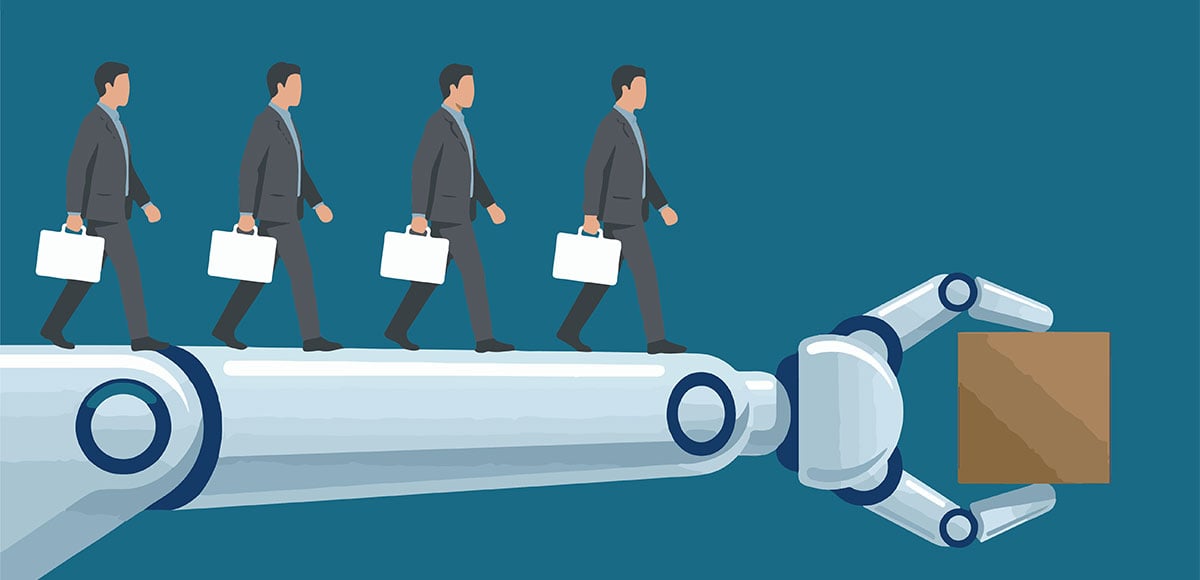
Neurodiverse workers could be better suited to the fast-changing world of artificial intelligence, a UK…

Remote work did not just change where founders operate. It changed what their nervous system…
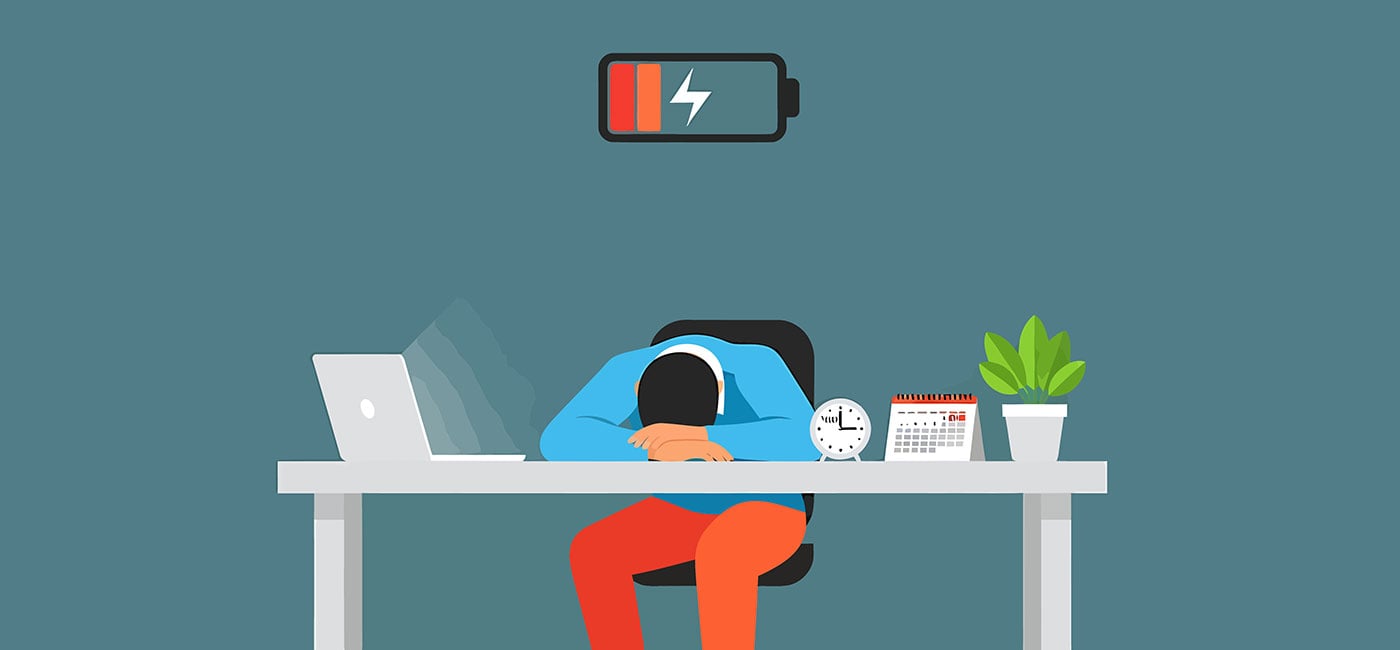
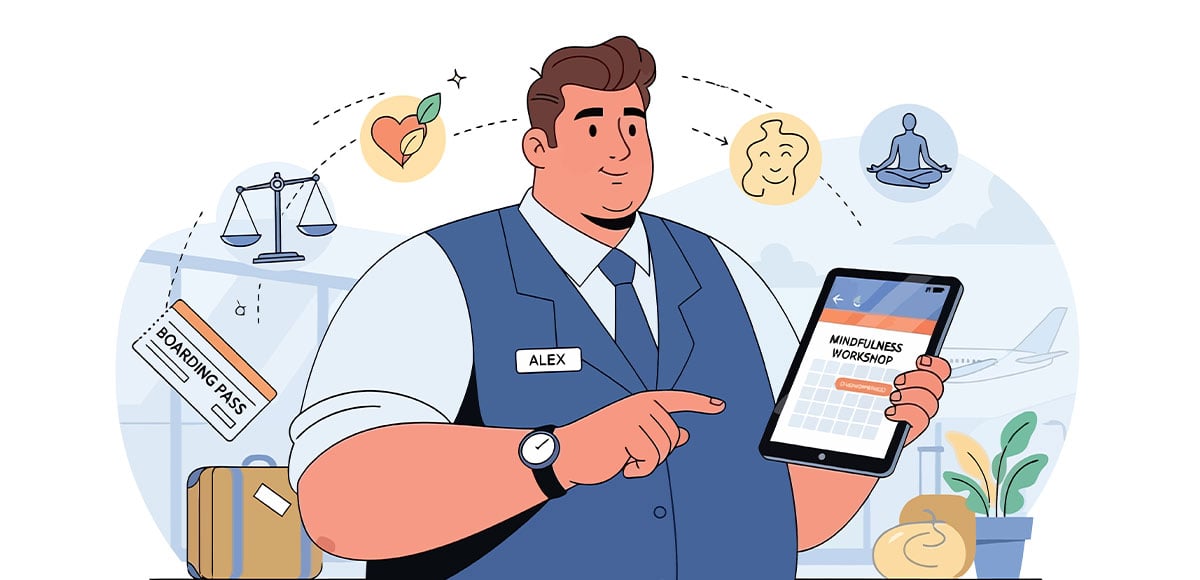
Business travel is carrying an unseen productivity cost. 96% of frequent business flyers say they…
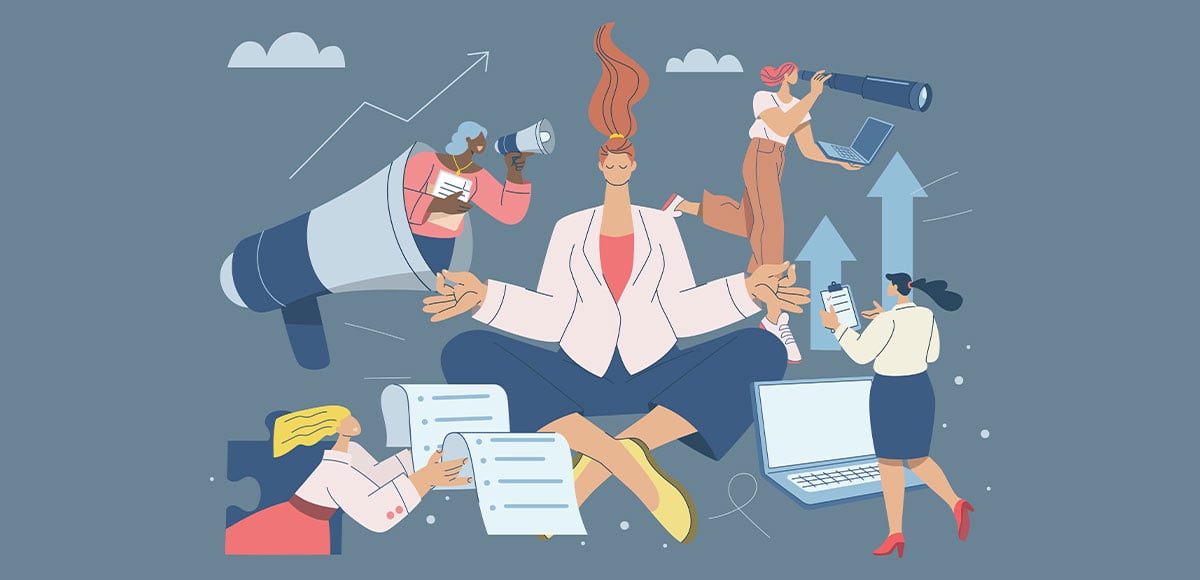
With founder burnout and exit thinking on the rise, reinvention is proving to be the…

Employment Uncovered, launched by global employment platform Employment Hero, reveals what the past year at…
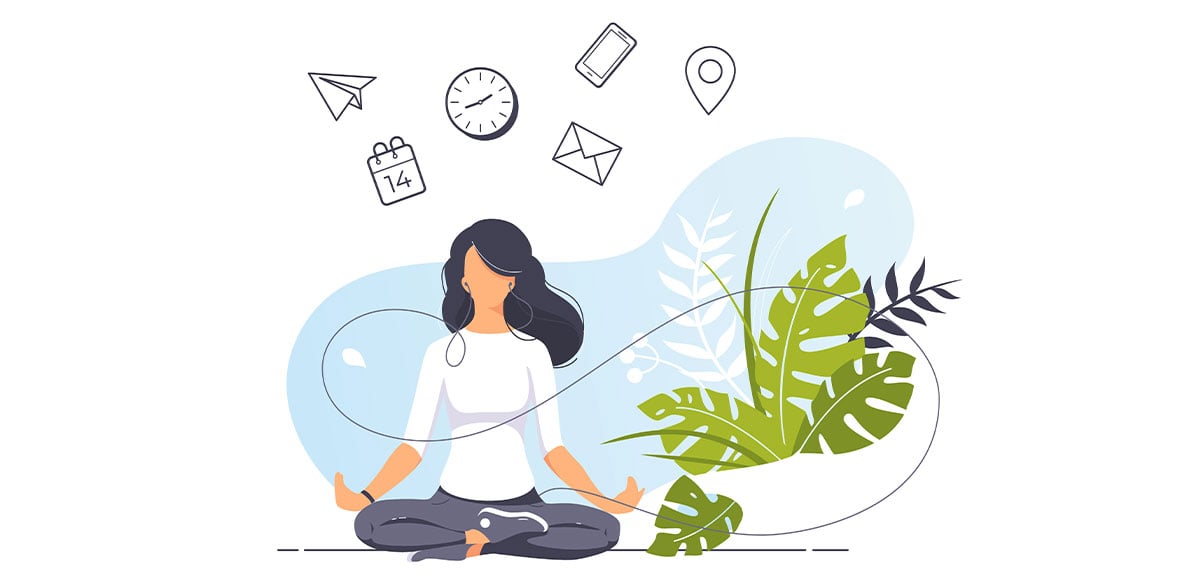
A report by Notion Capital takes advice from professional athletes to emphasise the need of…

Here we go again – “the most wonderful time of the year,” except if you’re…

The startup playbook says: hustle harder, stay responsive, show up consistently, outwork everyone. For AuDHD founders, that playbook is a recipe for burnout. I know because I’ve watched it happen. I burnt out spectacularly as a teacher and now I coach women who are discovering their neurodivergence while trying to build businesses. The pattern repeats: brilliant, driven founders forcing themselves into productivity systems designed for brains that work nothing like theirs, then wondering why they’re falling apart.

As we approach the end of 2025, managing stress and prioritising mental wellbeing in the workplace is essential for both individuals and organisations. End-of-year deadlines, performance reviews, planning for the year ahead, and the excitement (and pressure) of the festive season can place additional strain on individuals and teams.
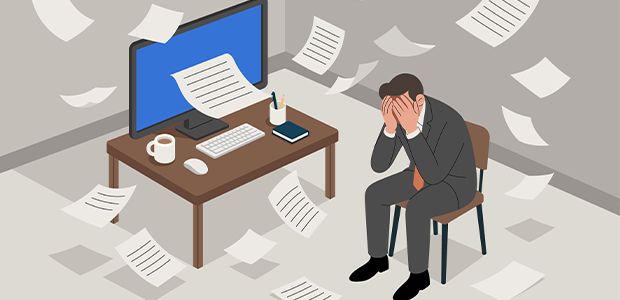
New research from Avilio has found that 36% of respondents experienced burnout in the last year which – when applied to the UK working population – means that 11.9 million UK workers would fall into this category.