Life
New research from Hilton shows that two thirds (66%) of those with a learning disability say their employers have not asked them what they need to succeed in their roles. As a result, nearly six in 10 (57%) feel like the company they work for isn’t equipped to support them.
Running my own business propelled me through the biggest trauma of my life. I was in a hospital bed the day after surgery, a bandage on one side of my face, having had my entire left eye removed suddenly due to rare eye cancer. My husband caught me on LinkedIn. “You can’t stop!” he teased. It’s true, I didn’t pause to take a breath. I continued as if nothing had happened. I plunged myself further into growing my business. And I realise now that this masked the mental struggle that was bubbling within.
World Mental Health Day in October serves as a reminder that mental wellness is about balance: mind, body, and spirit. But, for many entrepreneurs, mental wellness often takes a backseat to the demands of the daily grind.

We’ve all heard of the motherload, that invisible rucksack full of mental lists, guilt, and responsibility that so many women carry. Eve Rodsky’s book Fair Play helped put a name to it. But even with all that talk of balance, I still find myself asking: what happens when you add neurodiversity to the mix?
In the volatile world of entrepreneurship, mental resilience has quietly become a key performance indicator. Founders, investors, and teams have begun to realise that mental resilience is not just a wellness trend – it’s the infrastructure of sustainable growth.
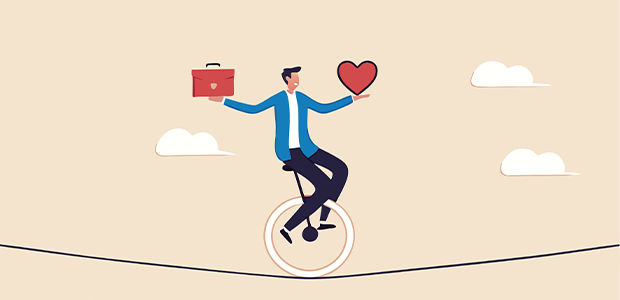
Businesses are built on vision, courage, pace, and a generous dose of grit. But that momentum can quickly give way to self-neglect. The tendency to push harder for the pay off. But businesses don’t benefit when founders are burnt out.
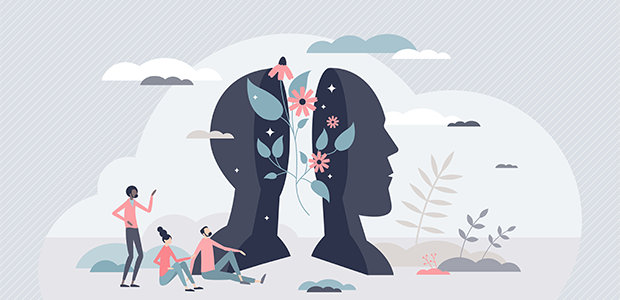
This World Mental Health Day, I really want to reach out to the entrepreneurs, founders, and business builders out there. The ones chasing big visions while carrying invisible weight. The ones who know they’re capable of more but feel stuck, overwhelmed, or plagued by self-doubt. The ones who, on the outside, look successful, but inside are battling procrastination, imposter syndrome, or constant pressure to “do more.”
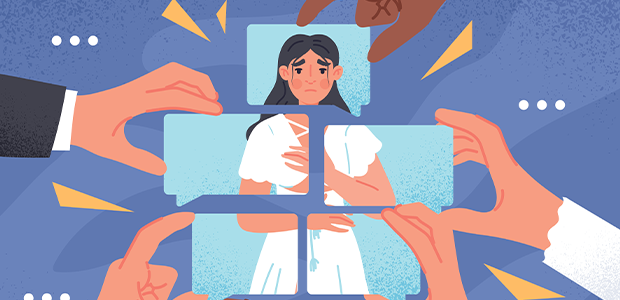
As a PR and Communications Expert, I’ve always known that words hold power – they can inspire, connect, persuade, and transform… but, they can also limit, diminish and belittle us if we’re not careful.

On 10th October it is World Mental Health Day, a day to remember how deeply mental wellness shapes our lives, our communities, and our work.

In our go faster, achieve more with the same or fewer resources world, pressure is both inescapable and a force that can manifest in various forms. The workplace in particular is a common place to feel the weight of mounting responsibilities and demands, with sources as wide ranging as shifting priorities, a sense of too much to do in too little time, lack of information or resources, and rapid change.

There’s a silent cost to leadership that no one talks about enough. It’s not burnout. It’s not decision fatigue. It’s identity loss.
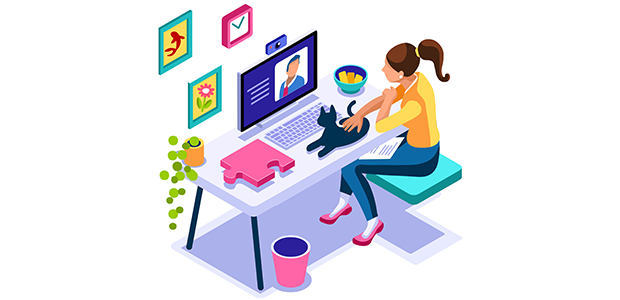
The UK workforce is bending the workplace rulebook, expecting greater autonomy, inovative technology, and benefits like the four-day work week, according to Owl Labs in its annual State of Hybrid Work report.
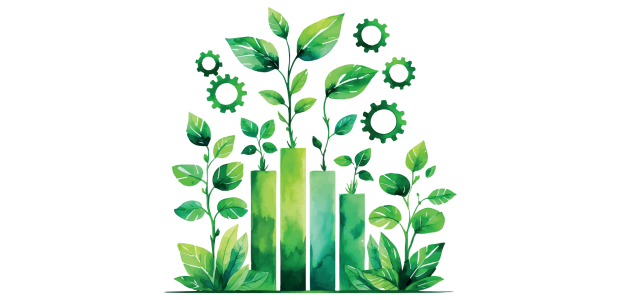
On Long Beach Island, New Jersey, something fascinating happens every Saturday. It’s turnover day. Rental homes flip. People rush in with fresh excitement, or out, determined to make the most of their final moments. It’s a whirlwind of energy, anticipation, and urgency.
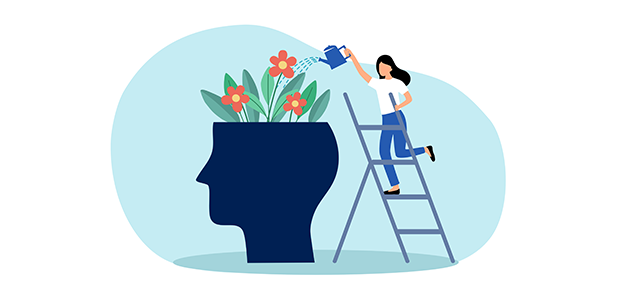
Research from Towergate Employee Benefits reveals that only 14% of employers strongly agree that they have a good understanding of their employees’ needs across all four pillars of health and wellbeing: physical, mental, social, and financial.

With more than half of founders experiencing burnout last year, the rise in corporate wellness is less of a surprise, and more of a relief.
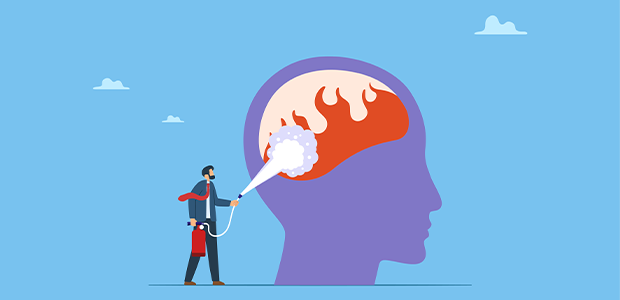
The entrepreneurial journey is as demanding as it is rewarding. Startup founders operate in an environment defined by uncertainty, long working hours, and relentless pressure to perform. While stress is often considered part of the founder’s role, unmanaged stress can quickly escalate into burnout – impacting not only personal wellbeing but also the performance of the business.
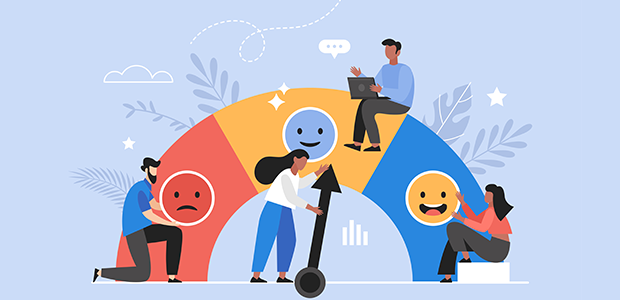
Most founders manage time like a resource. But here’s the real differentiator: how you manage your energy.

As a startup entrepreneur, the journey to becoming an iconic leader is not about following the crowd, it’s about embracing your uniqueness, leading with authenticity, and strategically positioning yourself for success.
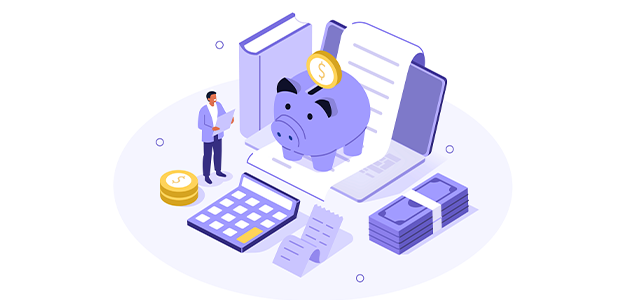
Ask a founder about their business finances and you’ll get burn rates, runway projections, and real-time dashboards. Ask about their personal finances? Crickets.
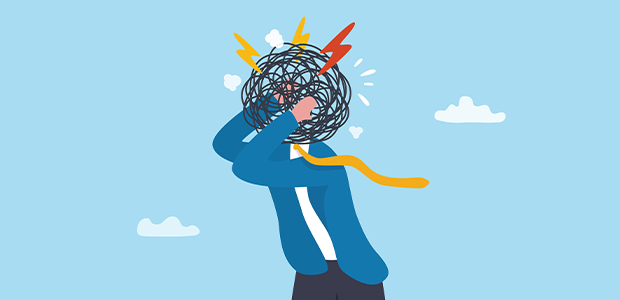
Founders are decision-making machines. From choosing your next feature to picking between two good-enough hires, your day is a stream of judgment calls, big and small. The problem? That stream becomes a flood. The more decisions you make, the worse they get.