

AuDHD: the system wasn’t built for us, so we built something ourselves
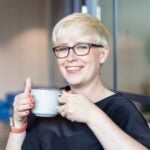

When I got my AuDHD diagnosis at 37, I did what most people do. I went looking for help. I searched for communities, resources, books, anything that would help me make sense of the previous 37 years of my life. What I found was mostly content aimed at parents of autistic children, waiting lists stretching to years for any kind of professional support and a general assumption baked into almost everything I encountered that autism and ADHD were things that happened to kids. When I sought support from a source I thought would be reliable, I was told: “There is no support for someone like you.”
I remember the feeling of that moment clearly. Disbelief, then anger, then something that took me longer to name. Fear. Because if the support didn’t exist, what was I supposed to do? I was already burnt out and overwhelmed. I needed someone to hold my hand through it, step by step. This is what you need to do next. This is what you need to understand about yourself. This is how you might help your partner make sense of what’s changed. This is what burnout recovery can look like. Here is somewhere you can put your fears about your capabilities, about who you are now, about what life looks like on the other side of this. I needed all of that. None of it existed. And I was left to hold it on my own, which if I am honest felt really frightening. I felt completely alone in a way that is difficult to describe to someone who hasn’t experienced it.
So I built the thing that didn’t exist.
Audhdistically Me started as a way of making sense of my own experience and became, over time, a coaching practice, a podcast, a 12-week group programme, a book, and now a membership community called Reclaim Your SELF. It was built in the hours around a full time job, by someone who was still very much in the process of unlearning everything she had been told about herself. It was not a strategic business decision. It was a necessity.
And it turns out I am far from alone in that.
I want to be clear about something before I go any further. People like me building these businesses does not mean the problem is solved. It really doesn’t. Cost is a barrier, a significant one, and not everyone can access paid coaching or membership communities, and that matters enormously and I won’t pretend otherwise. What we are doing is not a substitute for systemic change. It’s what fills the gap while we wait for systemic change that is taking far, far too long. And people are suffering in the meantime.
And the support that does exist? So much of it has been built by people who genuinely don’t understand what late diagnosis feels like from the inside and who haven’t thought to ask us. Clinical. Generic. Designed for a version of us that lives in a textbook somewhere rather than in an actual life. Late diagnosis rates are rising. NHS waiting lists run to years in some areas. And the people finally coming out the other side of that process are finding almost nothing waiting for them that was made with their real experience in mind. It’s honestly staggering that this is still the case.
Many of them have started building it themselves, then. Late-diagnosed adults, often women, who wore themselves out for decades trying to squeeze into structures that were never going to fit, have taken their diagnosis and made something from it. Coaches, educators, community builders, writers. Making the things that didn’t exist because leaving people with nowhere to go just wasn’t acceptable.
And something that doesn’t get talked about enough is that a significant number of the people building these businesses are also late-diagnosed adults who needed exactly this kind of support and largely couldn’t find it either. We are neurodivergent people building for neurodivergent people, which means the same systems that fail our communities fail us too, as business owners, as entrepreneurs trying to get established. Networking events where you’re expected to walk into a room full of strangers and make small talk for two hours, like that’s just a normal thing that’s easy for everyone. Sales and marketing frameworks built around using people to get somewhere rather than actually connecting with them, which if you’re someone who needs genuine human connection first and collaboration second, feels grubby and wrong in a way that’s genuinely hard to explain. Business spaces that weren’t designed with us in mind and that make it hard, sometimes really hard, to get known and get taken seriously. The entrepreneurs trying to support late-diagnosed adults often don’t have a seat at the table in the spaces where it matters. And that needs to change, not just for the people accessing these services but for the people providing them.
My book, Autism, ADHD and Me: Your No Bullshit Guide to Life After Late Diagnosis, became an Amazon bestseller. I read the reviews on days when I need reminding why I do this. One reader called it an absolute godsend and said there is really nothing else out there like it. Another described it as their Bible for navigating life after diagnosis. A third wrote: finally, a book that gets what it’s actually like to be late-diagnosed. No BS, just real validation and practical help. Those are not compliments. That is a description of a gap that should not still exist in 2026.

When my membership community launched last month, people joined within hours. Within days they were saying things I wasn’t prepared for. That they had felt completely alone since their diagnosis until that moment. That logging in felt like coming home. That it was the first space they had found where they didn’t have to explain themselves or perform a version of themselves that was easier for everyone else to manage. I recognised every single one of those feelings. Because I had felt them all myself.
And I keep thinking about the UN theme for World Autism Awareness Day this year, which is Autism and Humanity, Every Life Has Value, because that is exactly what all of this is built on. On 31st March, the day before Autism Acceptance Month began, I found out that Audhdistically Me had been named a Southeast regional finalist in the UK Startup Awards, in the Education and Training category. The belief that the adults who were missed for decades, who spent their lives being told they were too much or somehow not enough, have value. That their experiences deserve honest, grounded support. And that the people providing that support deserve to be in the room when the conversations that matter are happening.
Being named a finalist doesn’t solve any of that on its own. But it’s a step. And in the week the world is being asked to move beyond awareness and toward genuine acceptance, it feels like exactly the right moment to say it clearly: neurodivergent business owners belong in these rooms too.
We are not an anomaly. We are a signal.
For more startup news, check out the other articles on the website, and subscribe to the magazine for free. Listen to The Cereal Entrepreneur podcast for more interviews with entrepreneurs and big-hitters in the startup ecosystem.
