

The founder slump: what to do when the spark has gone

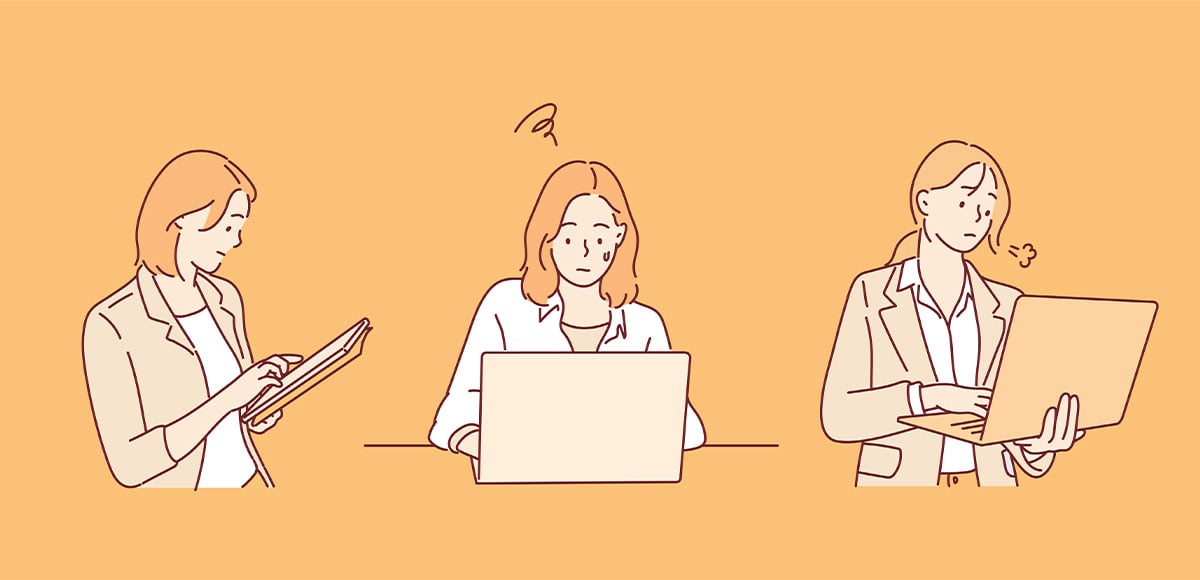
The pressure is always on… but, for founders and entrepreneurs, the current climate isn’t making things any easier. Across the people I work with, I am seeing a real trend and a clear pattern emerging where capable and driven founders and leaders are starting to feel depleted, resulting in them second-guessing themselves, feeling low energy, overwhelm, and losing connection with the very work they once cared so deeply about.
I understand that feeling as there have been times in my career where I felt exactly like that. Leading me to question my decisions, doubt my value, and wondering how something I once felt so passionate about had become so draining.
At times I hoped taking a holiday or moving roles might help that feeling. Often questioning, is it me or where I am? This didn’t help and the less energised I felt, the more my confidence shrank and I became hesitant, withdrawn, and far from the person I knew myself to be. Looking back now, I can see something I couldn’t see then – it wasn’t a lack of ability, but a lack of; self-trust, the right environment, support/community, and a mindset able to hold perspective when the world felt uncertain, as it does for many today. The key things missing were more around genuine support and care from others I could trust, feeling valued, and finding meaning in my work.
Around this time, my dad became very poorly with terminal cancer, in the middle of the pandemic. I wanted to be with him as much as possible in his final months and initially considered taking a leave of absence. But something didn’t feel quite right, and I wasn’t sure I wanted to return. At that point, I couldn’t think long-term, all that mattered was being present with him.
In the midst of this, an old colleague reached out about a short-term consultancy project. I explained my situation and we agreed on a way of working that allowed me to be with my dad while taking on some flexible work, without long-term commitment or travel.
So, I made the decision to leave a secure, well-paid role with strong career prospects. It felt both brave and slightly reckless at the time.
That step gave me the space to pause and reflect. It helped me realise I could build something different, something more aligned to my values, the way I want to work, and ultimately, doing something I feel genuinely passionate about.
So, in the midst of a global pandemic, I founded Up2Eleven, a leadership development and talent consultancy. There wasn’t much of a plan at first, just to do meaningful work that paid the bills. Over time, this evolved into a way of working that aligned with my strengths, goals and values.
This wasn’t a complete career shift. I had spent over 20 years developing and coaching leaders and working with organisations to build strong cultures and effective talent strategies. I brought that experience, alongside my passion and credentials as a psychologist and coach, into building Up2Eleven.
Today, as Founder, Executive Coach and Talent & Leadership Specialist, I do exactly that on my own terms, supporting leaders, teams and organisations to be at their best. I focus on building emotionally intelligent leadership and creating environments where both people and performance thrive, helping leaders develop clarity, confidence and impact.
Feeling depleted doesn’t mean you’re not capable – more often, it’s a signal that something needs to change – either around you, or in how you’re responding to what’s around you.

It’s rarely just about workload, from a psychology perspective, it’s usually a combination of these three things:
- Your environment: the culture, community, expectations, and dynamics around you
- Your internal narrative: your self-trust, the way you talk to yourself and make sense of challenges
- Your coping strategies: the habits you rely on when things feel difficult
The good news is that each of these areas is changeable – starting with small, targeted shifts which are often more effective than dramatic big changes.
What to do to reset if you feel depleted in your work and business
- Rebuild perspective before confidence – when you’re in a depleted state, your thinking narrows. You’re more likely to interpret neutral situations negatively and to personalise challenges. So, before trying to “feel confident,” focus on creating distance from your thoughts. Ask yourself: What else could be true here? or What would I say to someone else in this position? This simple shift helps interrupt the cycle of self-doubt and creates space for clearer thinking
- Separate identity from performance – founders and leaders often tie their self-worth closely to business outcomes. When things go well, confidence rises. When they don’t, it drops quickly. Psychologically, this creates instability, so a more sustainable approach is to distinguish between who you are and what you produce. Performance, especially in these climates, will fluctuate, but your sense of self shouldn’t have to
- Audit your environment/community – not all depletion is internal. Often, it’s a direct response to the conditions and the people around you. Take a close look at where your energy is being drained unnecessarily. Are conversations leaving you frustrated? Are expectations unclear? Are certain relationships or interactions weighing you down? Even small changes can make a big difference such as; setting clearer boundaries, having more purposeful conversations and surrounding yourself with supportive, like-minded people. Your community shapes your energy and mindset – choose wisely, and you’ll protect your confidence and capacity to thrive. Who you surround yourself with matters. In high-pressure roles, isolation can amplify self-doubt, so, having people who can offer perspective, challenge your thinking, and remind you of your strengths creates a buffer against depletion
- Coping Mechanisms – take stock of the habits and activities that help you manage stress, restore energy, and maintain perspective. Are they still serving you? Introduce or prioritise activities that bring you joy – whether it’s exercise, a lunchtime walk, hobbies, mindfulness, connecting with friends, or simply taking breaks that recharge you. Prioritising and building these into your routine strengthens resilience and protects your confidence and mindset.
- Reduce the cognitive load – when everything feels urgent, the brain defaults to quick wins to reduce stress. We overuse our strengths, which can unintentionally reinforce the very issues we’re trying to solve, keeping us stuck in unhelpful patterns. This creates overwhelm, decision fatigue, and can lead to burnout. Building self-awareness is key. Understanding your reactions, drivers, strengths and overused behaviours helps you see what you’re reinforcing and choose a different approach. This is something I work on a lot with leaders as part of developing emotional intelligence
When your conditions include the right environment, supportive people, and a mindset that holds perspective. Even in uncertain times, you perform better, lead with confidence and have a renewed sense of energy that inspires both yourself and those around you.
Focus on small changes and the shift is tangible. You feel less depleted, trust your judgement again, and approach challenges with clarity rather than doubt. For many founders, this is the difference between simply sustaining a business and genuinely enjoying building it. In my coaching work, I help create this shift, both in the relationship and process, and in the thinking and behaviours that set people up for success.
For more startup news, check out the other articles on the website, and subscribe to the magazine for free. Listen to The Cereal Entrepreneur podcast for more interviews with entrepreneurs and big-hitters in the startup ecosystem.
