Features
What a difference a year makes. In the last 12 months, your company has no doubt changed beyond recognition. Long time employees are likely missing each other and may not have even met the newbies hired via Zoom or Teams in the midst of the pandemic.
With the country now in its third and hopefully final lockdown there are many businesses unable to operate from their usual premises under current government guidelines, many employees have reverted to working remotely from their homes.

The pandemic has created challenges that many businesses have never seen before. Beyond the initial financial strain many endured, the ongoing restrictions have had a lasting impact on the way the UK workforce approaches the working week.

The journey to becoming a technical founder is not as clear-cut as other career paths. Some careers have clear cut journeys. Doctors and nurses can expect university degrees, post-university education, residencies, clinics and more. Lawyers need to pass exams after post-university education.

It’s a complicated time to be a business owner, whether it’s a multinational company or a small enterprise. But while larger companies are having to make systematic changes to accommodate lockdowns, social distancing, and the other realities of COVID-19, many small businesses have been left adrift without clear guidance on how to proceed.

You can’t be what you can’t see. This is a phrase that crops up time and time again. We often see organisations pledge to take action to boost the number of opportunities for LGBT+ professionals to take up leadership positions; however there is still a lack of visible LGBT+ role models across business.
Even the biggest companies started with just an idea. While their founders all dreamed for their business to grow, we’re guessing most of them didn’t really imagine that their small spark will stand strong and eventually reach a global scale. But we didn’t come here to talk about their ideas, we’re here to talk about yours and how to turn it into a reality.

As everyone is gradually settling into the newer methods of working at the time of lockdowns such as collaboration and remote working, it is a good time to consider the professional skills you possess for increasing your worth as an employee. You must find out what skills have to be updated for meeting the changing demands. Most of the conventional professional development activities such as conventions, workshops, and conferences have been either postponed or cancelled.

Here are 7 key facts you need to know about starting a franchise business.
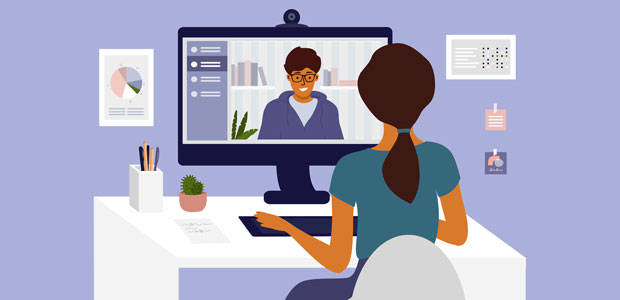
Job interviews are tough. Video interviews can be a disaster. Poor internet connection, the threat of a pet or child appearing in the background, and nowhere to hide from your own face as you try to concentrate on presenting the best version of yourself.
We all have an unconventional interest or two. From those who hand-make chess boards, to avid Tetris players, to people who have read every Austen novel twelve times, it’s our hobbies that give life meaning and colour.

International travel has ground to a halt for the vast majority of us. While travel restrictions forced many of us to put our holiday plans on hold, the impact goes far beyond holidaymakers – many businesses have been forced to limit any corporate travel since the start of the pandemic.

This last 12 months has shown what businesses can achieve through the power of collaboration, some naming 2020 the year for brand partnership dominance. Businesses have had to co-operate in unique and creative ways to navigate a COVID-19 stricken world.
At the start of the pandemic, thousands of employees were forced to work from home overnight, resulting in businesses scrambling to adapt. In the coming days and weeks, digital adoption accelerated like never before.

Since the year began, entrepreneurs have observed a serious global economic downturn as a result of the COVID-19 pandemic. Small businesses have been impacted greatly by this crisis because they have limited resources to adapt to the changing context. If you own such a business, you must have experienced sales go down as well as an increased difficulty in accessing business inputs. While it might look like the end of your business, you should not despair.

In 2020 we experienced a lot of change to our working lives, with many of us turning to Google for tips and advice on working from home. Influenced by what we’ve all been searching over the past few months, Lauren Gordon, Behavioural Insights Adviser at Bupa UK shares the top workplace trends to follow for 2021 and tips on how to make these trends work for your physical and mental health.

Although we have bid a grateful farewell to 2020, the disruption and uncertainty we experienced are spilling over into 2021. If there is one thing that we learnt last year, however, it’s that we need to accelerate the pace of transformative change. Connected technology is of critical importance in this process, and is likely to be one of the key economic drivers going forward.

With most of the country on strict lockdown and no prospect of returning to the office any time soon, 2021 is playing out like much of last year so far, and people all over the country are understandably frustrated and tired. With uncertainty around the future and remote working continuing for most, staying motivated at work is crucial for us to maintain positive momentum and mindset this year.

With the COVID-19 crisis leaving the economy in turmoil and more than 800,000 people out of a job, the New Year heralds a fresh start for Britain’s entrepreneurs. Around 56,000 new businesses are expected to start-out this month – which is almost 2,000 a day.

COVID-19 has put unimaginable pressure on small and medium sized businesses across the UK. For these businesses, now more than ever, cash flow is everything. Expenses play a major part in a business’ cash flow, and if handled correctly, can leave companies with a substantial pot of money at the end of each financial year.