Technology is something that aids our progression forward, but can it be used as a force for good and point us in the right direction as we move to the future?

Over 1.9 billion people around the world use online banking. This means we’re moving towards a cashless society, so you need to ensure your online banking is safe and secure in the long term. Here are our top tips to increase your online banking security.

With TikTok becoming one of the most used social apps, but a lot of people still thinking it is aimed more for the younger generation, are businesses missing a trick not being on TikTok?

Once starting up, the competition can be fierce, and it can be difficult standing out from the crowd. You always need to be ahead of the game and prepare for the unexpected.

As TikTik consumption is increasing, we spoke to someone with expertise, Cat Anderson, Head of Marketing EMEA at Sprout Social on why B2B startups should bother with TikTok, and how entrepreneurs can work on growing their social presence.

Peckwater Brands runs a range of virtual restaurant brands. These are virtual restaurants that exist solely on third-party delivery platforms, like Deliveroo or Uber Eats, without their own brick-and-mortar location.

Rishi Sunak was plauded by most for responding so quickly to support small businesses as COVID hit. But what a shame that the years of campaigning didn’t trigger such a revolutionary business rates consultation before an unprecedented global pandemic hit the already underperforming high street retail and shopping center sector, or Brexit, the war in Ukraine, spiralling fuel prices and a cost of living crisis.

A survey amongst 1,024 UK adults in full-time employment has explored the connection between mental health and financial wellbeing.

The customer is always right, and one of the most important factors when it comes to business decisions. So how do you keep the customer happy?
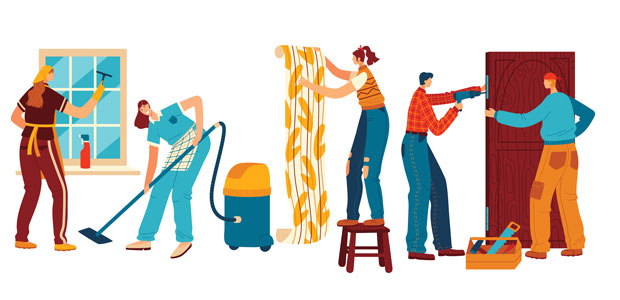
Since handymen and labourers returned to work following national lockdowns, competition is back to pre-pandemic levels. The rising cost of living, altered working schedules and the new remote culture have led to an increased reliance on contractors. More so than ever before, it’s essential that your jack-of-all-trades company name is well-known, and that your services stand out from the crowd, but how can you get the best results from your handyman business?

FuturePlus, the online sustainability measurement platform, has announced an exciting new sustainability partnership with electric vehicle (EV) technology startup Diode – which will make switching to EV smarter, easier and more affordable.

Soaring fuel and energy costs have seen average household energy bills in the UK forecasted to rise to more than £3,000 this winter, this is also going to have a significant impact on offices too. While rocketing energy costs are certainly a cause for concern for many businesses, there are some reliable ways to increase the energy efficiency of your office and reduce outgoings.

If you are in the process of starting a new small business, you will be well aware of the various challenges that you may have to face in the near future. In Britain alone, you will be competing with another 5.5 million small businesses which means that you will have to pull out all of the stops in order to make enough revenue to stay afloat.

The average entrepreneur considers quitting 15 times while setting up a new business, but new research suggests the key to success is finding a tribe to cheer you on.

After decades spent in employment, retirement can seem at once wonderful and daunting. The prospect of no longer working leaves many feeling rudderless and apprehensive about how they will fill their days, causing a case of cold feet even in those who have looked forward to a life of relaxation away from responsibility for years.

One of the many consequences of COVID-19 is the increase in those working remotely, with almost 50% of people working from home at some point during the pandemic. This type of working has many benefits, as does working in an office, and as we have begun to return to normal this has provided a new challenge for many companies. How do you navigate managing a workforce where some people are remote, some are hybrid and some are full-time office-based? In this article, we will explore some of the best techniques for achieving synergy within a geographically diverse team.

Employers have a legal responsibility to take care of their employees and to make everyone aware of how to handle potential hazards in the workplace. Apart from these legal reasons, they also have a moral responsibility with their employees and with society at large to guarantee the health and safety of the collective.
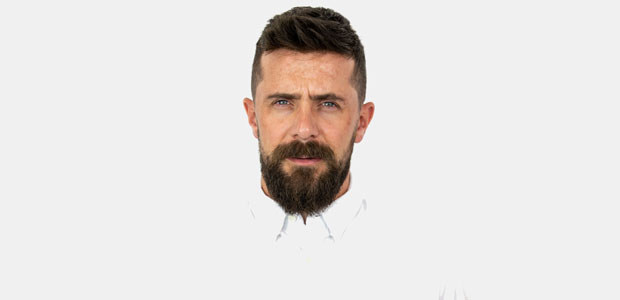
Matt is no stranger to building successful companies and developing national brands. Before hitting 40 years of age, he’d created, grown and sold a multi-million-pound marketing company, picking up the Great British NatWest Entrepreneur Of The Year award three years in a row along the way. Not afraid to take on a new challenge, Matt set his sights on tackling the male skincare industry head on, with the launch of MESOA For Men. We caught up with Matt to learn more about him and the journey.

As we celebrated World Youth Skills Day earlier this month (15th July) – the annual celebration of the strategic importance of equipping young people with skills for employment and entrepreneurship as they begin their career journey, we wanted to highlight some tips from business leaders on how we can support the next generation as they enter the workforce.

The Hustle Awards 2022, a night of celebration, innovation, and excellence. And what a night it was!