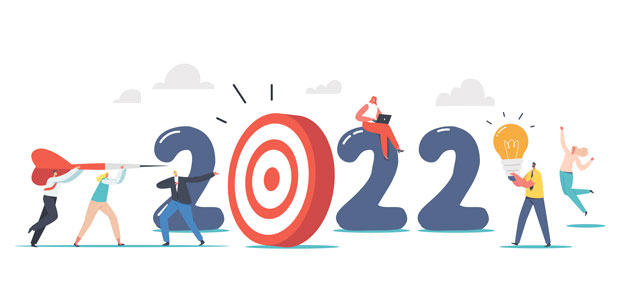
Covid and its subsequent lockdowns provided us with an opportunity to assess our lives and look inward to determine what we truly want from our lives. Many Brits took up a new hobby, some quit their jobs, and some jumped onto the property ladder.

The wonderful thing about automation is that it relieves you of so much stress. With it, life becomes a delight, albeit at the expense of your wallet. There are numerous things available online that you may find appealing, and the creators or marketers of these products understand their job so well (thus the free trials and incentives) that they will use whatever means necessary to entice you.

More than a quarter of SMEs believe that debt funding is more widely available to male-owned businesses than female, according to research conducted by independent asset manager BOOST&Co.

Economic headwinds and inequitable workplaces saw a surge in female founders in the UK during the pandemic as working women sought to take control of their careers, according to new data from LinkedIn.

Starting your own company can be an expensive business and the costs soon add up. Luckily, even if you are short of money, there are different options available for improving your company cash flow and today we hear from some industry experts to get their insights.

When starting your own business, there are hundreds of things to think about and it can seem like the list of expenses is never-ending. From operational costs, to the cost of overheads, employing staff and getting your company’s name out there, there are many costs that need to be paid. However, if you are savvy, there are certain areas where you might be able to cut costs and keep your business more cost-efficient and today we hear from some industry leaders to get their thoughts.

Starting your own company is a brave move. It means you finally decided that you’re ready to start making your dream come true and that you have the means and the dedication to go through with the process. It’s normal to feel nervous at the beginning but give some room for taking risks, because after all, it is an exciting and risky journey.

If you’re in debt, you’re not alone. In fact, according to a 2019 report from the Federal Reserve, the average American household owes nearly $7,000 in credit card debt. But just because debt is common doesn’t mean it’s easy to deal with. If you’re struggling to keep up with your payments, it can feel like you’re drowning in a sea of numbers with no end. But there is light at the end of the tunnel

We’ve all struggled with feeling like we’re not good enough, and it’s common for employees to end up feeling like an imposter in the workplace – but according to Mike Jones, founder of Better Happy, these feelings of insecurity can actually benefit your business.

Building on its record-breaking Series B investment, SEON has hired Matt Davies, formerly VP of Customer Marketing at Splunk as its new Chief Marketing Officer in a move that highlights the company’s marketing-first approach to business development. We caught up with Matt to learn more about his journey and his new role.
A UK manufacturing outsourcing specialist is aiming to help domestic businesses cross the well-publicised ‘valley of death’.

The multibillion-pound industry of beauty vloggers, game streamers, fitness influencers, newsletter writers, podcast producers, and social media stars who make up the ‘creator economy,’ was around well before the pandemic, but since 2020 the economy has flourished, seeing more people than ever seek out and invest in digital tools to promote their new creative projects.

It is no secret that the technology sector is not going through the best of times. We have seen several unicorns make drastic decisions about their businesses, announcing layoffs and exiting markets in which they were present in order to reduce costs and preserve their liquidity.

La Bom, the Spanish/British sustainable swimwear brand for all active women, launches today in the UK and with the company launch it showcases a collection of active ready, fully recycled ECONYL swimwear.

Accounting firms are missing a key opportunity to adopt Open Banking to help meet the needs of small businesses facing a cash flow squeeze, according to a report by iwoca, one of Europe’s largest small business lenders, and AccountingWeb.

Ethical Equity, the UK’s ethically compliant investment platform, announced a partnership with Streets Consulting, the financial services and technology business development, marketing and communications consultancy, to deliver a one-day Founder Workshop.

Electric and hydrogen truck pioneer Tevva is to make history today by launching the first hydrogen fuel cell-supported heavy goods vehicle (HGV) to be manufactured, designed and mass produced in the UK.

Midlands-founded startup Live Tech Games, now based in London, has been awarded three awards at the Midlands final of the illustrious National StartUp Awards.
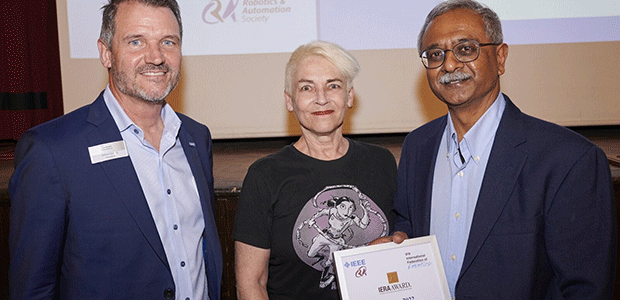
This year’s ‘Award for Innovation and Entrepreneurship in Robotics & Automation’ (IERA) goes to Drishti, a video analytics company based in Mountain View, California.

If you have not been over to Dublin before, you may not be aware what a hub it is, not just for technology, but also for budding entrepreneurs and the startups community. That is why the Dublin Tech Summit is Europe’s Fastest Growing Tech Conference and full of insight and talent.