Features
The business world is changing at a fast pace. In this climate, industry giants are forced to quickly re-evaluate how they work and to be able to face the new challenges in their markets: startups.

Today’s workforce is increasingly becoming more age-diverse, with more workers staying in employment into their later years and delaying retirement to secure a better financial future for themselves and their loved ones.

Expanding the business abroad is one of the most important goals and the most sought after ones for young entrepreneurs. It gives them a significant rise in their customers and also increases their popularity manifolds.

Sanofi’s acquisition of Cambridge UK-based, Kymab in early 2021, in a deal worth up to $1.45bn, was the largest sale of a UK biotech company on record, but was soon dwarfed by the $6.9bn acquisition of GW Pharmaceuticals by Jazz. These announcements drew global attention to the UK life science and healthtech sectors, and form part of a growing trend in these industries for increased funding, commercial and M&A activity.

The restrictions the coronavirus pandemic has placed on thousands of businesses and their ability to trade normally has forced many more companies than ever before to shift their products and services online.
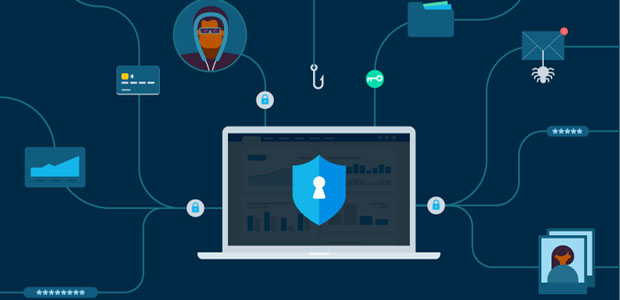
Now that just about everything happens online, cyber security has taken on a new significance. Unfortunately, hackers and other nefarious actors have leapt at the opportunity of the pandemic, and cyber crime is on the rise.

It’s fair to say that over the past 16 months or so, we’ve become more digitally-connected than ever before. We can’t underestimate the roles that data and digital technologies continue to play in helping small businesses survive during the pandemic. Almost every interaction we all undertake every day produces data. This creates endless opportunities, but with opportunity comes responsibility – particularly when it comes to how data is used.

It’s common for startups to experience growing pains and go through trial and error when getting their ideas off the ground. There are some misconceptions attached to running a startup, too – including the idea that finding the funding to successfully launch your startup is no easy task.

The internet is awash with help and advice for business owners. With all this information at your fingertips, is it worth having a dedicated mentor? The short answer is yes, without a doubt.

If your business is still using out-of-date systems and servers, then it’s high time that you started thinking about moving it over to the cloud. Not only will this help to reduce costs, but it can also make your life a whole lot easier.

The past year has seen many industries navigate a multitude of challenges and shifts to remain operational. However, as we emerge from a post-pandemic landscape, it’s time for organisations to gather their bearings and analyse how their business has fared over the past year and what long-term implications the global lockdown could have had on them.

Education doesn’t finish after school. With further qualifications required to move up in fields as diverse as healthcare, beauty therapy and construction, there’s a huge opportunity for edtech to help employers manage training. But how do you introduce your product to industries with plenty of trainees, but low tech adoption?

If you imagine a business like a body, company culture is the lifeblood that circulates, revives and powers everything. It’s a fundamental component of commercial success and without it, you and your team are likely to become rudderless and disorganised.

Language and communication tools are continuously developing. Human beings have an amazing ability to find new ways of understanding one another and the world around us.

Money, dedication, sleepless nights – maybe even some failure along the way. Starting an ecommerce store can be a daunting task, but nothing matches the feeling once you start to reap the rewards of all that hard work.
Schools, colleges and universities may have finally got back into rhythm following numerous lockdowns, but in embracing new technology, there are elements of the shift to remote learning that will surely continue long after the pandemic is over.

Companies providing services like home workouts, high-end meal kits and even crochet tutorials all have boomed during the pandemic. Not everyone has had a smooth path through the pandemic though; businesses have had to become more agile and invest in technology. Many entrepreneurs and individuals have adjusted their attitudes, spending more time on worthy causes or making sure they are planning for their own futures.

The commute as we knew it may be gone for good, new research conducted by e-bike subscription service DASH Rides reveals. DASH and Sapio Research surveyed over 2,000 city-dwelling, full-time workers, who used to work primarily in the office and now work primarily at home, and discovered that three quarters of those returning to the office will be actively avoiding public transport or seeking new ways to travel.

As we approach the end of compulsory remote working, many businesses are retaining some element within their operations. Remote working technology enabled virtual connectivity when physical proximity wasn’t possible, but how has this affected business operations in the long-term? Here we explore the impact of remote working technology on business and society.

Are work ethics losing their relevance to the pursuit of profits and ambitious objectives of growth? In contemporary times, there is a paradigm shift in the hiring strategies of most organisations. The great focus of business owners is to hire employees with versatile skills and creative perspectives. Without a doubt, this is the way forward to create an agile and competent workforce. As a business owner, you need an accomplished workforce exhibiting inspiring skills. However, what about their work ethics? Are you underplaying the significance of work ethics?