Most people would agree that things like nutrition and exercise lead to a healthier and happier individual. This same principle applies to the financial health of your business. In order to maintain a successful and thriving business, it’s important to stay healthy when it comes to your finances.

The challenges faced by small businesses over the past year have had a profound impact on global economies. This is unsurprising given that they account for more than two-thirds of global employment and contribute up to half of national global GDP.

As lockdown guidelines continue to ease and normality resumes, creatives and freelancers are likely to be seeing their cash flow patterns change and invoices starting to come in and out again as workloads increase.
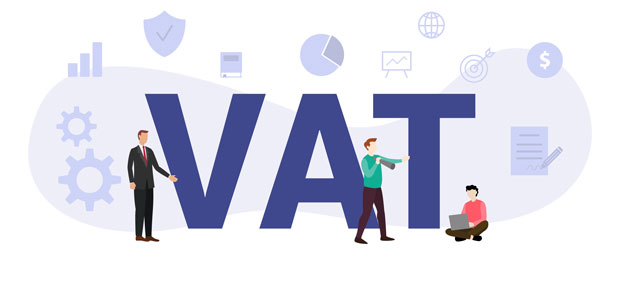
As of this week, the government has put into effect a VAT Domestic Reverse Charge (DRC) for building and construction services. The reverse charge VAT procedure is an anti-fraud measure designed to counter sophisticated criminal attacks on the UK VAT system.

If we learnt anything from the past year it’s that having control over cash flow is the cornerstone of business health. The impact of COVID and other external factors like Brexit mean that things are constantly changing for small businesses, meaning they have to continuously adapt. This means that you will need to consistently map your cash flow and review your forecast as things change. For example, things like furlough coming to an end in April will need to be factored into forecasting.
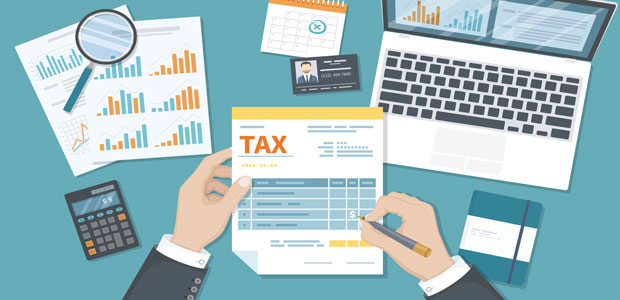
It’s been two years since the very first digital tax pilot from HMRC, commonly known as Making Tax Digital (MTD). Initially, HMRC required UK businesses above the VAT threshold to process their returns digitally. It has now been announced that businesses that are VAT registered and are below the VAT threshold must also be compliant with MTD, from April 2022. The self employed and landlords must be compliant by April 2023.

Throughout the pandemic, SMEs have had to adapt to survive – which has been no mean feat. In many cases, technology has proved to be essential in keeping operations running during lockdown. Whether it be shifting entire workplaces to remote working, or using video conferencing tools and cloud accounting software, small businesses have been relying on tech more than ever before.

Over the past few months, most businesses have had to rethink how they operate and how they reach their customers. At the same time, there’s been drastic changes in customer behaviour, with huge increases in online purchases. For example, Shopify saw a 68% MoM growth of UK consumers estimated to make a purchase online from a UK Shopify merchant for the first time in April 2020.

There is some light at the end of the tunnel for small businesses. As the lockdown continues to ease many retailers and hospitality businesses are now opening up again, or preparing to return soon.
In the current climate, many of us have found ourselves in different working environments – with the majority of people working from home. With our home and work spaces becoming the same place, it’s more important than ever to ensure you take steps to create some separation and avoid burnout – a common issue faced by small business owners.
Working from home is the new norm for many professionals and it’s still not clear how long this new way of working will last. So for many small businesses this means adjusting and managing the logistics of running a business remotely for the foreseeable future.
More than ever, cash flow is a key issue for small businesses, and understanding it is crucial to making informed decisions at the right time. The government will be asking businesses to demonstrate that they have an understanding of the state of their cash flow as it stands, and in the future before allowing access to the grants and schemes being offered.