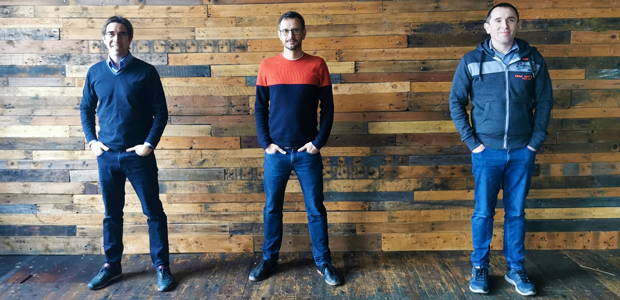
Manchester-based tech start-up enee.io has been awarded £170k from Innovate UK’s Sustainable Innovation Fund. The six-figure grant will enable the firm to further develop and commercialise its pioneering technology providing automated and remote monitoring of industrial battery systems used to provide back-up power for critical infrastructure including hospitals, data centres and mobile phone masts.

All hope abandon ye who enter here. If 2020 had a tagline, that would be it. It’s been a rotten year for the startup community. The Coronavirus pandemic has caused unprecedented economic damage, imperilled revenues, and poured cold water on investor confidence.
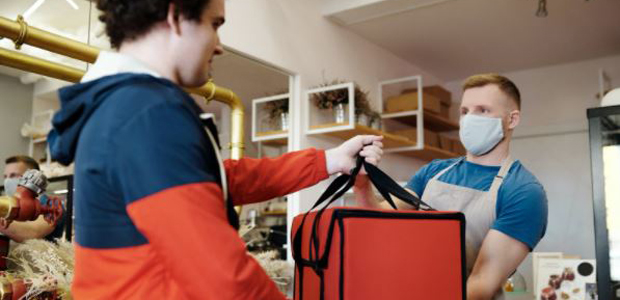
Back in January, it looked likely that employee share schemes would see reasonable growth across the country through 2020.
Kanban has been around as a methodology since the ’40s but is now getting more attention partly due to the increase in remote working and the popularity of agile and lean in every sector. While Kanban was originally applied to manufacturing, it can work in virtually any setting. It can be used as a stand-alone tool, or in conjunction with other agile management methods. Implementing it, however, can be easier said than done. Let’s take a look at the steps you need to take to implement a Kanban system in your organisation.

This has been quite a year and if 2020’s taught us anything it’s that we need to take very good care of ourselves, as our business’s biggest asset. Your wellbeing is the source of energy and creativity that your business needs.

I love startup life. It has been my passion for many years now. In 2007, I launched my first company, Skimlinks from my apartment living room in Sydney. It grew to become a $50m-a-year revenue business, headquartered in London with offices in San Francisco and New York.

Brits are being called upon to offer vital support to small businesses as high streets reopen in time for Christmas. It also hopes to tap into soaring public affection for small businesses, as research from the campaign and its principal supporter American Express shows 59% of Brits support small businesses more than previously, following the major role firms played in communities during coronavirus lockdowns.
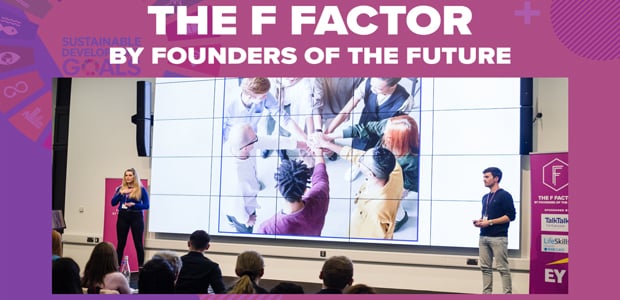
The F Factor, organised by Founders of the Future, is the UK’s premier startup competition for 18-25 year olds. It goes all across the UK to find entrepreneurial talent. To enter the competition you need an idea, a seemingly working prototype (does not need to be a fully working MVP but rather a prototype that shows how your idea works) and a two min pitch in video of your startup idea.

Corgee is a free personal finance management app for independent workers. Think about us as a buddy and financial adviser to those that have unstable income and are looking for more financial security. We use Machine Learning to provide each user with personalised support in following their income goals, understanding how to better manage their finances, and securing gig work. We got the chance to speak to Dmitrijs Vitjazevs, Founder & CEO to find out more…
The PR Essentials Summit taking place on Friday 11th December from 7am PT to 5pm PT. The Summit is a one day virtual learning event for startups, entrepreneurs and small business owners to learn and develop their own public relations strategies and campaigns moving into the New Year.
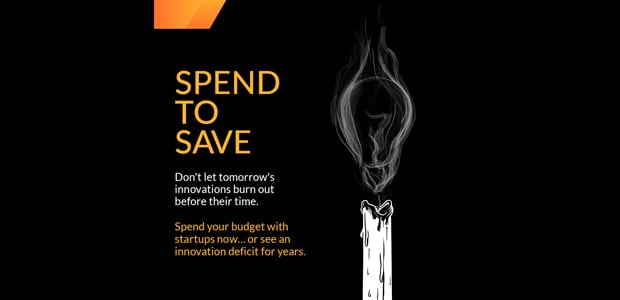
The government has pledged to spend 1/3 of its budget with SMEs and has also introduced schemes such as CBILS, BBLS and the Future of Fund to support startups during the pandemic, but as government support eases and investors continue to be cautious about funding early-stage startups, many startups are already struggling to stay open. A new campaign from Plexal, the innovation centre and coworking space owned by clients of Delancey, places the responsibility for saving startups at industry’s doors.
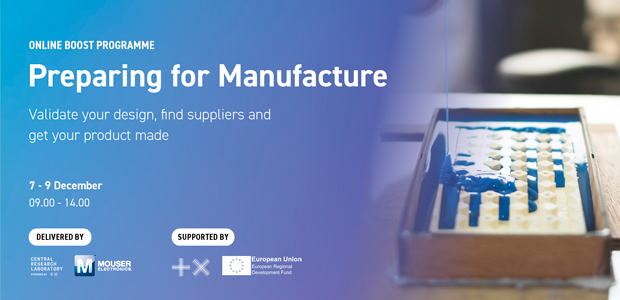
Mouser Electronics, the New Product Introduction (NPI) leader empowering innovation, will be co-hosting a three-day online event to help UK-based startups test, validate and communicate their technical requirements to manufacturers. The workshop, hosted in partnership with the Central Research Laboratory (CRL), takes place from Monday 7th to Wednesday 9th December.
We at The WealthiHer Network have delved into the challenges facing female entrepreneurs in today’s society, the potential they create economically and socially, and the turnaround traits needed to drive recovery for all. Our fear is that without positive action, the path to recovery for female entrepreneurs is under threat… especially in a post COVID-19 society.
As the UK emerges from lockdown for a second time, it’s crucial we keep up the conversations we’ve been having about the importance of a healthy work life balance. The majority of people who I’ve spoken to have enjoyed the freedom of remote working and are keen to retain some of this newly-discovered flexibility in the future. With this new mindset and the ongoing restrictions, I certainly don’t anticipate an immediate rush back to offices.

In the world of startups, scaling and sustainability are made to feel like opposites. You may have started with the best intentions, but as businesses grow it gets harder to ensure high ethical standards are met, particularly when faced with outdated industry practices and the pressure to keep down costs. The company values you wrote at your kitchen table start looking more like suggestions than rules to live by, and growth and greenness feel diametrically opposed. Sustainability just seems like a sacrifice you’ll have to make on the altar of profit and progress.

A new survey has revealed that 40% of people have considered starting a business in the last six months, however, 38% would be put off due to having limited knowledge of how a business is run.

While the economic ramifications of the ongoing coronavirus pandemic are still very much a selection of rather worrying predicted lines and correlations on graphs, there is no doubt the world of commerce and industry is set to be deeply impacted in the long term, and likely changed for good, by the crisis.
There’s no question that 2020 has been an incredibly disruptive year for business, as both national and local shutdowns have forced many firms to temporarily shut up shop.

“I’m starting to think my profile could be an asset for the business,” a brilliant female founder confided over a virtual Zoom coffee a couple of weeks back (I miss real life, barista made flat whites and hugging clients hello but that’s a sidebar). “I always want to make it about the business but I think I could be a bit of an asset.”

Winter alone can have a negative impact on anyone’s mental health. Couple this with spending the best part of the year dealing with a pandemic and the subsequent lockdowns and it’s no surprise that according to ONS statistics, the weeks after the clocks went back saw record levels of loneliness in the UK.