

Your customers aren’t bored of your brand. You are

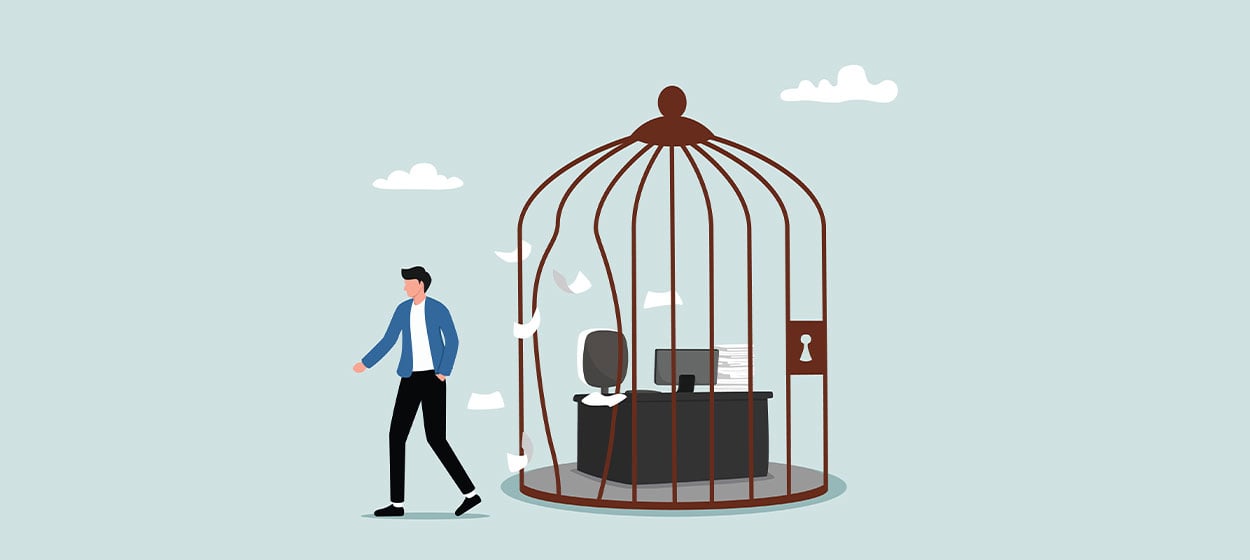
Think about how many times you’ve seen your own marketing. The early ideas. The approval rounds. The debate about whether the logo should be bigger. Then it goes live, and because you follow your own brand, the algorithm serves it to you every time you open your phone. Your team shares it on Slack. Your mum sends it to you on WhatsApp. You’ve seen it hundreds of times. Most of your potential customers might have half-noticed it once or twice, while doing something else. That’s a big gap between how familiar your marketing feels to you and how familiar it is to them.
I’m Co-Founder of creative agency Ourselves, and in more than 25 years of developing brands and advertising, I’ve seen that gap catch out a lot of founders.
We once worked with a challenger brand with a distinctive product and plenty of creative ambition. But the founders loved new ideas and a new campaign would be briefed before the last one had found its audience. None of them ever got the time to become familiar.
It’s understandable. The Founder gets bored long before the audience has had a chance to remember anything. So the idea gets dropped, a new one gets commissioned, and the brand starts again. On a limited budget, that’s an expensive habit.
Boredom isn’t a metric
Marketers talk a lot about wear-out: the point where people have seen something so often it stops working. It’s real, but it’s much rarer than most businesses assume.
Analytic Partners looked at more than 50,000 ads and found that only 14 had actually run their full course and were showing signs of wear-out when they were replaced. Everything else was pulled while it still had work to do. System1 has found something similar: long-running campaigns tend to hold their effectiveness, and the ones built around characters or slogans often get better over time.
Les Binet, one of the most respected names in marketing effectiveness, has made the point that most ads simply don’t get much chance to wear out these days. They get retired by the people who made them.
Wear-out, in other words, mostly happens inside the business. Customers are still at the wear-in stage. Being thoroughly bored of your own brand tells you very little about whether they recognise it yet.
The long game pays
If you want the commercial case, analysis of the IPA Effectiveness Databank (nearly 1,000 campaigns across more than 700 brands) found that business effects rise steadily the longer a campaign runs.
Longevity isn’t magic. Long-running campaigns don’t win just because they’ve run for a long time. They win because each time someone sees the work, it strengthens their memory of your brand. Start from scratch, and you risk throwing that away.
Give people something to recognise
Byron Sharp and the Ehrenberg-Bass Institute put it another way. Brands grow by being easy to think of and easy to find at the moment someone’s ready to buy. Most of the people you need aren’t paying close attention, and they won’t notice you very often.
What helps them is what Ehrenberg-Bass calls distinctive brand assets: the colours, shapes, characters, lines, sounds and styles that say it’s you before anyone reads the name.
If every social post, ad and product launch introduces a different idea or personality, you keep asking customers to learn who you are again. Imagine introducing yourself at a party, walking away, changing your clothes and returning with a different name. You might be having a lovely time. They’re wondering what’s wrong with you.
Even the big brands feel the itch. In 2013, Compare the Market started easing out its meerkats in favour of real people and a new catchphrase. The meerkats had been on air for four years and had been credited with doubling the value of the business. They were back within the year, and they’re still there now.
Creativity is how smaller budgets punch above their weight
None of this is an argument for playing it safe. Consistency only pays if there’s something worth being consistent about.
If you’re a challenger, you won’t outspend the category leader. But you can out-think them. Analysis of over 400 campaigns found that creatively awarded work was around 12 times more efficient at growing market share than work that wasn’t. Binet and Field also found that highly creative work is the most effective, with an important catch: even brilliant work fails if it doesn’t have enough scale and isn’t given time.

Creativity and consistency aren’t opposites. They do different jobs.
Distinctive work gets noticed sooner. It’s easier to remember and harder to mistake for a competitor. Bland work needs far more exposures to register, which is exactly the thing a small budget can’t buy. A beautifully made ad that nobody can attribute to you is doing a very expensive job for someone else. Usually the category leader.
So creativity gives you a head start. Consistency lets you keep it. A brilliant idea you drop after three months has to start all over again. A brilliant idea you stick with gets cheaper to run every time someone recognises it.
How to sweat your assets
Here’s where I’d start.
- Count exposures from the customer’s side, not yours. Before you decide something feels tired, look at reach and frequency. How many of the right people have actually seen it, and how often? If the answer is “a few times, a while ago”, you’re not repeating yourself. You’re barely introduced.
- Choose a few assets and commit to them. You can’t build ten distinctive assets on a startup budget. Pick two or three with real potential: a colour, a character, a line, a way of showing the product. Use them everywhere you show up, from ads and social to your website and packaging. Until they’re well known, keep them close to your name so people learn the connection.
- Build an idea you can keep using. Before you brief the next piece of marketing, ask what the central idea about your brand is: something true about the business that can support different products, messages and occasions. Without one, every brief becomes a separate assignment, and each new campaign appears to solve a completely different problem. With one, you always have somewhere to go next. The same character in a new situation. The same distinctive look applied to a new product.
- Separate what stays from what changes. Consistency doesn’t mean running the same ad forever. If you’re running Meta ads, test different openings, formats, offers and product benefits, while keeping a recognisable voice, character or visual style. A new offer doesn’t need a new idea or personality. Plan production the same way: if you’re shooting a film, come away with shorter edits, stills and alternative openings, so a good idea has more ways to work before you commission its replacement.
- Change on evidence, not on boredom. If performance is disappointing, find out why before you blame the creative. Is it reaching the right people? Is the product available? Is the category shrinking? Test your assets with customers rather than relying on internal opinion. And if the work genuinely isn’t good enough, improve it while keeping what people already recognise.
When you’re sick of it, it’s probably just starting to work
Every founder I know has felt the itch to refresh. It comes from caring about the brand, which is a good thing. But remember the gap. You’ve seen it hundreds of times. Your customers have barely started.
The brands we all recognise didn’t get there by finding a new idea every six months. They picked something distinctive, kept going and let the market catch up.
So next time you’re tempted to start again, ask a simple question: are our customers bored, or are we?
For more startup news, check out the other articles on the website, and subscribe to the magazine for free. Listen to The Cereal Entrepreneur podcast for more interviews with entrepreneurs and big-hitters in the startup ecosystem.
