Research technology company, uMed has raised £3.7m in venture capital to help healthcare providers in the UK and US, including GPs, hospitals and health specialists, run patient research more efficiently while safeguarding patient data and ensuring regulatory compliance.

Monimoto, the smart tracker for motorcycles, is offering the chance for new investors to join the fight against motorcycle theft. Having smashed its initial Crowdcube campaign target of €300,000 early, Monimoto has extended its crowdcube campaign for another seven days.

Despite announcements of additional government support and positive early signs on a variety of potential vaccines, businesses concerns rise ahead of a challenging holiday season.

The new tiered system of restrictions for England after 2nd December 2020 should give businesses the certainty to plan and recover, according to innovative accountancy firm, Davis Grant.

In this article we will discuss no code, the no code startup and the no-code revolution and how it will impact businesses and the world around us. So, what is no code? No idea? Well, essentially it allows programmers, and perhaps more importantly, non-programmers, to create application software through graphical user interfaces and configuration instead of using traditional computer programming (or coding).

Running an organisation free of issues is what everyone wants. No business wants to fall victim to cyber attacks. However, that’s not always the case. Day in day out, cyber criminals are devising means of compromising businesses. According to Purplesec, Cyber crime is up by 600% due to the COVID-19 pandemic. Some other factors, such as software issues, make enterprises insecure.

After moving abroad to study at university, Anil Puri, Founder of Pet Instincts, had no idea that his beloved dog, Nicki, would suffer from separation anxiety. One of the most common complaints of pet parents is that their dogs are disruptive when left at home alone. Their dogs might urinate, defecate, bark, howl, chew, dig or try to escape.

2020 has been an unusual year for businesses. Every industry has been affected by the pandemic in some way, whether that’s for better or worse. As companies continue to try and navigate these difficult times, it’s essential to find ways to thrive and keep the money coming in.

Habitual, the UK’s first fully digital diabetes prevention and reversal programme, has announced a raise of £325,000 in funding, taking its total to £575,000, to support its public launch in 2021.

ACCA (the Association of Chartered Certified Accountants) and Sage have teamed up to launch a package of advice and technology to help more accountancy practices launch in the UK than ever before.

East London-based accounting practice, Moose, is rolling out a new financial package to local businesses with the aim to help those most in need stay afloat and hopefully flourish into the new decade.

Unpick the wild world of business winners as Angel Business Club’s Insights Series returns on Wednesday, 2nd December.

Thursday 3rd December marks International Day of People with Disability (IDPD), originally created by the United Nations and designed to bring awareness and celebrate the diversity of the global community. This years’ theme is ‘not all disabilities are visible’, something Leeds-based behavioural research and UX consultancy, SimpleUsability, is keen to encourage businesses to consider when interacting with their customers.
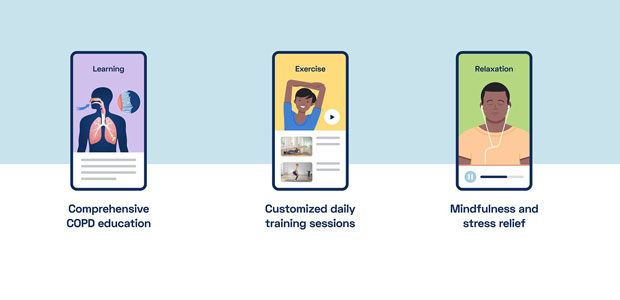
Kaia Health and Chiesi Group, an international research-focused healthcare group, have announced that they have entered into an exclusive partnership to commercialise the Kaia Health Chronic Obstructive Pulmonary Disease (COPD) Pulmonary Rehabilitation app in Europe.

In October the UK’s small businesses experienced their largest year-on-year decline in revenues since May, according to the latest customer data from the Xero Small Business Insights (XSBI) programme in partnership with AlphaBeta (part of Accenture).

If you run a business that relies on vehicles for operations, it can become more and more difficult to manage the fleet as it grows. Keeping the fleet in good working order, making sure that driver safety is a top priority, and saving money on maintenance and repairs can all become much harder to manage as your vehicle numbers rise. Because of this, it’s no surprise that many growing fleet-based companies are turning to fleet management companies. But is this the right solution for your company? Here are some reasons why it might be the best idea.

Bored of the adage ‘If you fail to plan, you are planning to fail’? You’re not alone. Sadly, truisms – much like a parent’s advice – tend to be worth heeding. When it comes to funding, it’s best to do it well in advance. Too many companies leave it until there’s a cashflow crunch before acting. As trusted advisers, accountants need to play the role of parent, use their wisdom to identify future funding opportunities, model a couple of scenarios, and help clients find a source of finance that doesn’t leave them with unfavourable terms.

With a third of UK employees having more than half their holiday allowance left to take, e-days the absence intelligence company, has found that 65% intend to use this up before the end of the year. With less than a month until Christmas, this raises some significant concerns over staffing resources for the remainder of the year.

As December approaches, firms of all sizes will be planning their strategy for 2021. The second lockdown in England has brought yet another blow to the business world, and proves that industries will continue to be impacted by COVID restrictions and a new way of working. Planning for 2021 may be challenging this year, especially for small firms who have found their usual service heavily disrupted.

The need for specific employable skills in the workplace is essential. Attracting and acquiring new talent to all industries is a competitive field, with more students leaving school and attending university than ever before.