
This Earth Day, Gaia’s Farming Co. is urging people to make a sustainable swap from dairy to its deliciously creamy ‘Hemp and Oat M*lk’ and extra chocolatey ‘Hemp and Coco M*lk’.

The spirit implies your psyche or soul. The act of nourishing your spirit is spiritual wellness. Our physical, mental, and behavioural health condition determines our spiritual health.

The first thing I ask my employees during our monthly 1:1’s is ‘how are you doing?’. Our sessions are 90% revolved around what that person is dealing with, their workload, their home life – are they struggling? If so, why? 80-90% of someone’s output is based on their mindset, so if you don’t know what is happening in your teams’ minds you can’t possibly expect to accurately judge their performance or potential. As its stress awareness month this April here are some honest thoughts on stress in the workplace.

Pitch, the collaborative presentation platform for modern teams, has introduced recordings, a feature that gives every team the power of collaborative video storytelling right within Pitch.
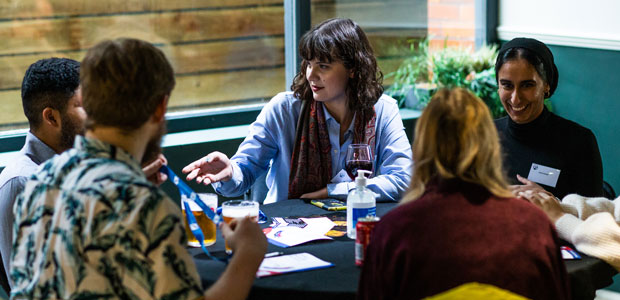
The long-standing Leeds Digital Festival is returning this month for a “mini-fest” focusing on innovation in the sustainable tech sector. Ahead of the usual two-week event in September, the Festival’s organisers are showcasing the many firms and individuals who are trailblazers in the world of using technology for good.

Futr, the live chat and customer service chatbots leader, has secured new funding from Blackfinch Ventures, a technology venture capital firm, and existing investors to continue its mission of using artificial intelligence to disrupt the delivery of customer service.
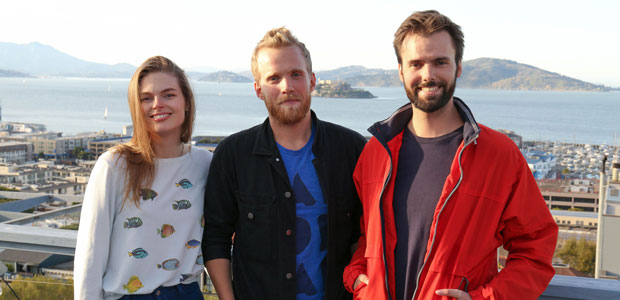
SafetyWing, the Norwegian startup building a global social safety net, has announced the closing of a $35m series B funding round led by leading European growth investor Kinnevik with full participation from existing investors Creandum and byFounders. The insurance investor Mundi Ventures also joined this round. The funding follows an $8m series A funding round last year, led by Creandum.

Research from XpertHR reveals that 67% of organisations say that their HR department does not currently gather enough meaningful data to measure HR performance within their business
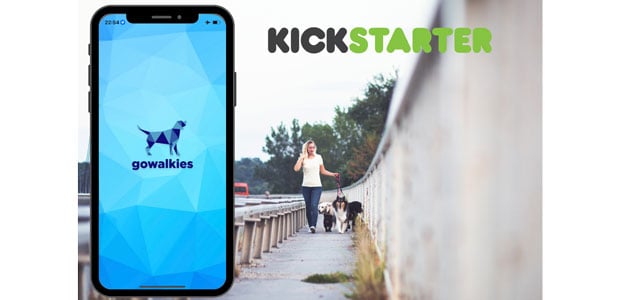
A dog walking app designed to give dog walking businesses a head start has launched a crowdfunding campaign to invest in blockchain technology and support its impressive growth and development strategy.

EMJ has been honoured with a Queen’s Award for Enterprise for International Trade.
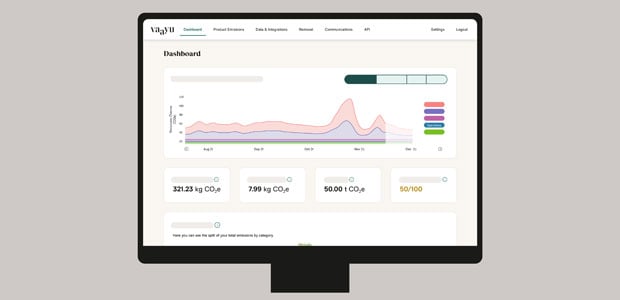
Vaayu, the climate tech start-up that helps retailers reduce their carbon footprint in real-time, has closed an $11.5m seed funding round led by Atomico, with follow on from CapitalT and participation from Reddit co-founder Alexis Ohanian’s firm Seven Seven Six, along with a select group of angel investors including Cristina Stenbeck, Chairperson of the Zalando Supervisory Board and non-Executive Director of Spotify and Bryant Chou, co-founder and CTO of Webflow. As part of this round of investment, Atomico Partner Terese Hougaard will join Vaayu’s board, making it 75% female.
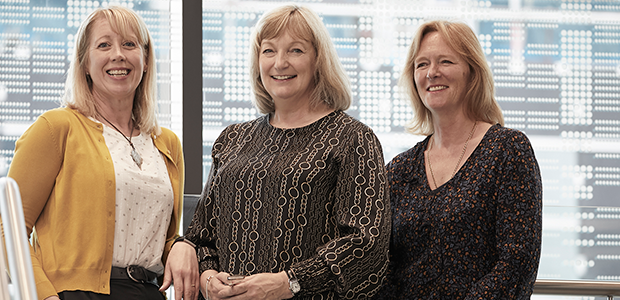
AMLo Biosciences (AMLo), a medical device company spun out of Newcastle University specialising in the early detection of skin cancers, is pleased to announce it has secured significant further investment totalling £2.45m.
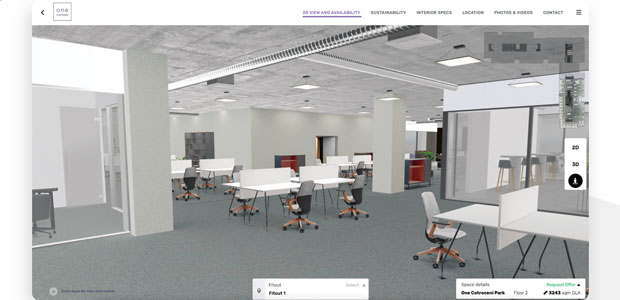
PropTech startup Bright Spaces launched its first subsidiary abroad, in the UK. The startup, which creates advanced, end-to-end digital leasing platforms for commercial and residential real estate, already has two clients from the UK.

Arbor Steel has raised £200,000 in a pre-seed funding round to bring its digital identity citadel to customers. Developed following a £100,000 InnovateUK Grant, the platform provides a secure and efficient way to share personal data and interact with services whilst maintaining control.

Starting a business is an exciting time. You’re full of enthusiasm and excitement at all the possibilities. It’s fair to say you have big plans for your business – you wouldn’t be here if you didn’t.

A group of Teens, passionate about Martial Arts, want to go for an adventure. One evening, they explore some Karate classes in their local neighborhoods. But as they walk from one training centre to the other, they’re scared. Because they feel, they don’t have ‘flexible bones’ for a 180° stance. They won’t join these classes even though they’re very much interested in Martial Arts.

Health issues specific to women, including menstruation, menopause and pregnancy have long been treated as taboo topics resulting in them being overlooked and under-researched.
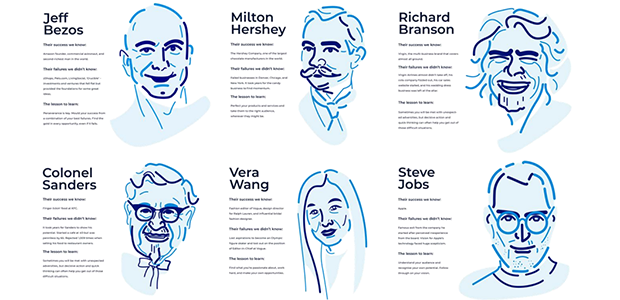
Starting a business isn’t an easy task. In fact, developing your idea and encouraging growth can be a journey filled with adversity.

Vaayu, the climate tech start-up that helps retailers reduce their carbon footprint in real-time, has closed an $11.5 million seed funding round led by Atomico, with follow on from CapitalT and participation from Reddit co-founder Alexis Ohanian’s firm Seven Seven Six, along with a select group of angel investors including Cristina Stenbeck, Chairperson of the Zalando Supervisory Board and non-Executive Director of Spotify and Bryant Chou, co-founder and CTO of Webflow.

Increasingly, the logistics industry is a technological one. The fortunes of the online retail sector is particularly interwoven with the growth of logistics – with both enjoying substantial growth during the pandemic.