
With dramatic increases in online shopping resulting from the pandemic, the e-commerce space experienced an unprecedented boom. Merchants and payment providers had to quickly adapt to and many managed to capitalise successfully, benefitting from consumers’ shift to online purchasing.

Research from Aldermore has found that UK small and medium-sized enterprises (SMEs) invested an average of £61,250 on their own sustainability during the last 12 months.
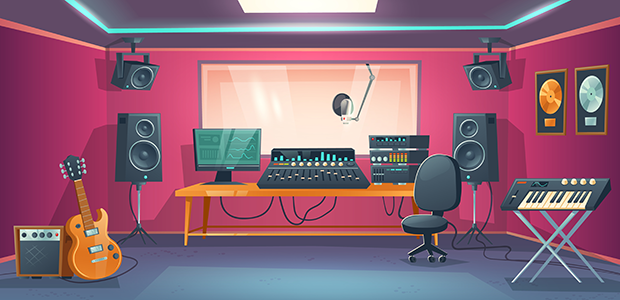
Swedish tech startup, Staccs, has agreed a licensing deal with Cherry Red Records – a London-based independent record label – for its streaming service for concert video and music documentaries

Building anything from the ground up comes with its fair share of challenges, and the existence of this site is a testament to that. But if there’s anything we pride ourselves on, it’s being able to give little tips on how your business can speed up its growth from day one. Today, we’ll be talking about a few technologies that can help make the life of you and your customers that much easier.

The driving force behind any startup’s success is connectedness. When you take the time to connect with others, you cultivate trust and encourage loyalty – the two cornerstones of building a successful business that will stand the test of time.

Setting up a new business can be an exciting time. Everything is new and the possibilities are endless. However, you don’t want to fall into the trap of making a few wrong decisions, leading to real problems down the line.

User-Generated Content – it’s the most effective way for communicating with Gen Z and Millennials. This phenomenon hooks us by being inherently genuine and authentic, with each phase of transforming it becomes more and more adapted to ‘new reality’. Although, there are now tonnes of different social platforms, UGC always performs in different ways.

One of the biggest lessons I have learned so far along my entrepreneurial journey is that building and owning a startup is not a job, it’s a lifestyle. Despite no two journeys ever looking the same, something valuable can always be extracted from every founder’s story.

The Hustle Awards anticipation is building as we edge closer to recognising the finest examples of innovation, creativity, and leadership.

The Global Tech Conference comes back next 30 June and 1 July at LuxExpo the Box, in Kirchberg unveiling a new physical format.
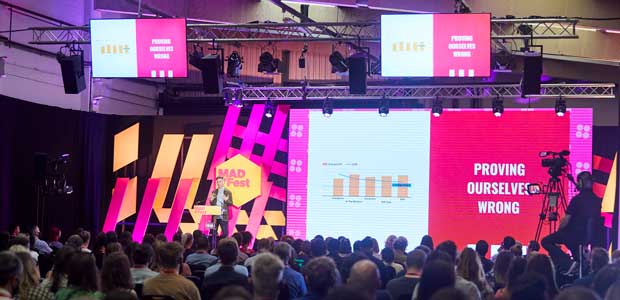
Want to discover what’s now, new and next in marketing and advertising technology? Then look no further than MAD//Fest London’s House of Innovation, which will be open from 5-7 July at The Old Truman Brewery.
Returning to the Business Travel Show Europe this month, on the 29th and 30th June, at the ExCeL London is the Innovation Faceoff, a competition set out to find the most disruptive tech set to revolutionise business travel and six of this year’s nine finalists are startups.

According to recent statements from Cabinet Office Minister, Jacob Rees-Mogg, civil servants should return to the office to ensure Government buildings are at full capacity. Given that all legal restrictions arising from the COVID-19 pandemic were removed earlier this year, a full-scale return to the workplace has already occurred across many organisations.

I was once delivering a sales pitch to a well-known British Public School where they were looking for entrepreneurial and innovative ideas to disrupt the education sector.

In today’s world, it is commonplace for employees to regularly change jobs. Indeed, the average UK employee changes jobs 12 times throughout their career. And with people changing jobs so regularly and the advent of autoenrollment, employees often accumulate and lose track of multiple pension pots, which could threaten many people’s long-term financial wellness.
Just around the corner now, The Innovation Faceoff to find the most disruptive tech set to revolutionise business travel is returning to Business Travel Show Europe on the 29th and 30th June at the ExCeL London and six of this year’s nine finalists are startups.
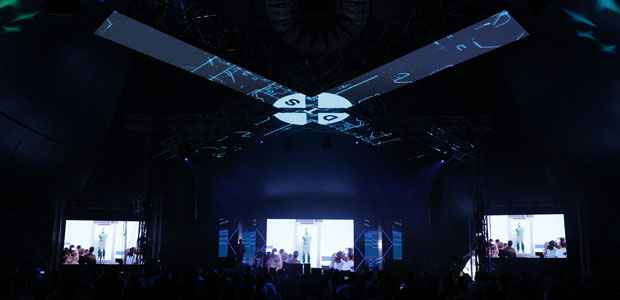
Ukrainian President Volodymyr Zelensky addressed delegates at Dublin Tech Summit this afternoon, ahead of the close of the two-day event. Appearing via 3D hologram, the President spoke directly to Europe’s top tech entrepreneurs, investors and corporate leaders, across six of Europe’s top tech conferences. He compelled the region’s most influential innovators to donate financial and technological resources to begin rebuilding Ukraine. Zelensky’s presence, albeit virtually, captured the attention of attendees and speakers alike, with many audience members visibly moved by his emotive words.

The Government announced its new Digital Strategy this week and it is heartening to see that there is acknowledgment of the growing importance of regional tech ecosystems with the government predicting that regional ecosystems could contribute an additional £41.4bn to GVA by 2025.

These are the five things that will help new freelances create a sustainable business that gives them freedom, joy and money as they help shape their industry.
There’s been much talk about the Great Resignation, with workers across sectors resigning en masse from their jobs in early 2021. The tech and finance industries were reported to have been hit hardest, but despite similar employment trends being seemingly apparent across marketing, advertising, visual arts, and more, the creative industries were conspicuous by their absence from reports. Driven by the pressing need to fill this absence, we ran surveys with the aim of better understanding the cause and effect of The Great Resignation in the creative industries and cultural sector.