The wonderful thing about automation is that it relieves you of so much stress. With it, life becomes a delight, albeit at the expense of your wallet. There are numerous things available online that you may find appealing, and the creators or marketers of these products understand their job so well (thus the free trials and incentives) that they will use whatever means necessary to entice you.

One of the most difficult things to being a founder or running an early-stage business is the lack of human resources and the sheer amount and diversity of work that needs to be done. This can so often lead to founders getting caught in a cycle of fighting fires and finding themselves not able to have a planned approach, nor to being able to look at the overall picture of what needs to be done and when.

Leading policymakers, business leaders, investors, technocrats convening together to accelerate action towards sustainable future.

As temperatures soar during this heatwave, at what point does it become too hot to still work?

Those currently in the early stages of their career are facing a very new set of challenges. As the cost of living crisis continues, Gen Z’s view of what they are looking for from their career has changed. We’re seeing the move from the traditional 9 to 5 to individuals embracing new and exciting ways of working including side-hustles.

The global digital identity verification and fraud prevention company, iDenfy, introduced a feature to its automated ID verification toolkit, Face Authentication.

According to the World Health Organisation, infertility affects 15% of couples worldwide who are of reproductive age. As many as one in six couples struggle to conceive. With almost 70,000 cycles of IVF performed every year in the UK alone, global IVF cycles exceed 2.5 million each year.

With the conversation around menopause and the workplace becoming a focal point in recent months, workplace discrimination and employment law solicitors Beecham Peacock reveal the current status of employment rights relating to menopause and how these might change in the future.

Investing in a new business at home can be difficult at the best of times, but it can be even trickier when you want to begin new business ventures overseas. However, with searches for ‘How to start a new business’ increasing by 200% in the past years, it is safe to say people are looking at ways to invest.

Economic headwinds and inequitable workplaces saw a surge in female founders in the UK during the pandemic as working women sought to take control of their careers, according to new data from LinkedIn.

Rural based business communities risk being “left behind” and “isolated” because they have to put up with third-rate connectivity services, an expert has warned.

A significant 98% of UK organisations experienced some form of a security incident in the last 12 months, according to a report from Barracuda Networks.

One of a business owner’s main jobs to be done is to find repeatable, reliable and scalable channels to market. If you don’t prove your channel marketing mix quickly enough you’re setting yourself up for failure. According to the Telegraph, 20% of new ventures fail within their first year, with that stat rising to 60% within the first three years. There are a plethora of reasons for failing, but not being able to reach and sell to your target audience is one of the most common.

Health and wellbeing support is a major factor in the recruitment and retention of talent. In a significant survey of 500 HR decision makers in the UK, undertaken for Towergate Health & Protection, 42% stated their support for the health and wellbeing of staff is a key reason people stay with the company. In addition, 31% said health and wellbeing support is a key reason people choose to work for them.

Research carried out by card payment provider, Paymentsense, reveals that 0.2% current job applications offer a four day working week. The benefits a company offers its staff can be ‘make or break’ for many current or prospective employees, in particular as the Pandemic caused a shift in working habits. Companies are beginning to trial a four day working week, which would allow staff more freedom and flexibility.

Working at home can be pretty fantastic. Increased flexibility, a quiet environment and no more commuting in peak travel hours are just a few reasons why working remotely can lead to a rewarding work life.

Empowered by the evolution in open banking and embedded finance, Minna’s subscription management tool gives Fintech users more than just spending insights.
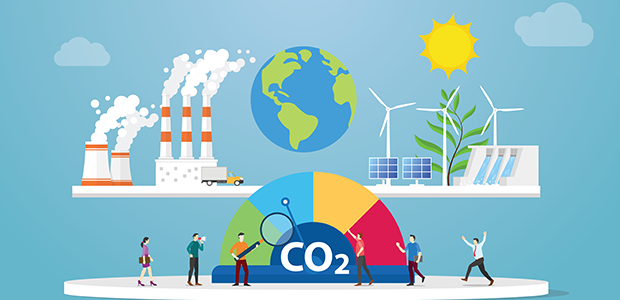
Fintech companies have huge implications in the world on the global economy, and on global warming. Currently, the world is facing one of its greatest challenges yet, to prevent rising global temperatures, by reducing greenhouse gas (GHG) emissions.

Inbound and outbound logistics, often used interchangeably, are very different processes that serve other purposes in the supply chain. Understanding the differences between inbound and outbound logistics can help you streamline your supply chain, reduce costs and improve customer satisfaction.

The cost of living crisis is fuelling a surge in cyber attacks on UK businesses, a fraud expert has warned.