Shipment and logistics for startups
Shipment and Logistics for Startups is a comprehensive series helping early-stage businesses navigate the complexities of modern logistics – from warehouse management and last-mile delivery to reverse logistics, supply chain disruption, and sustainable shipping practices. Whether you’re optimising customer experience, managing deliveries, or building a resilient logistics strategy, this series covers everything a startup needs to know.

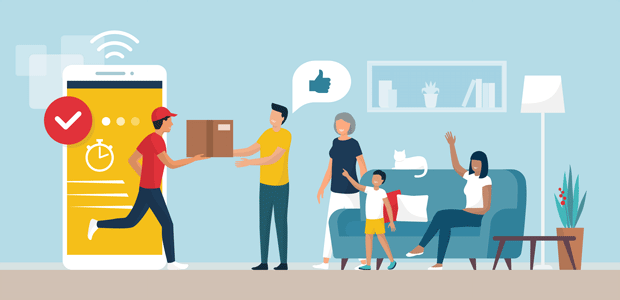
Shipment tracking is more than just a bullet point on your business to-do list. In an increasingly vibrant market, keeping your customers informed about the whereabouts of their products is what will make a difference in their customer experience and provide your company with a competitive advantage.
Warehousing is an essential activity that promotes the orderly storage and distribution of finished products inside factories or even in places intended for this purpose and is crucial in the supply chain process. Successfully managing them is vital if you want your business to thrive.

Logistics is a fast-growing sector of activity, and mobility is essential to our way of life. At the same time, the supply chain sector is the most significant contributor to environmental pollution. It is the first sector in the emission of greenhouse gases and the first consumer of petroleum products.
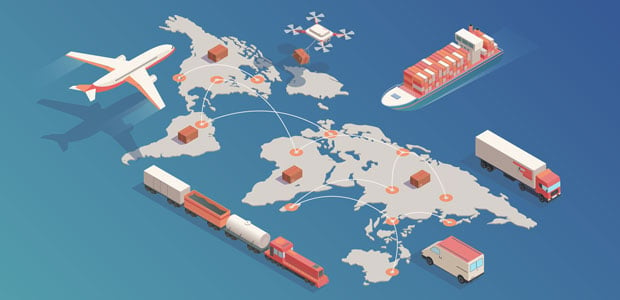
The supply chain network faces another major crisis after shaking the global economy during the COVID-19 pandemic.

Undelivered packages. Lost parcels. Delays. Everyone has been a victim of a flawed last-mile delivery at least once, and failed deliveries significantly affect customer experience. Today’s article will help you improve your last-mile delivery and avoid unsatisfied customers.
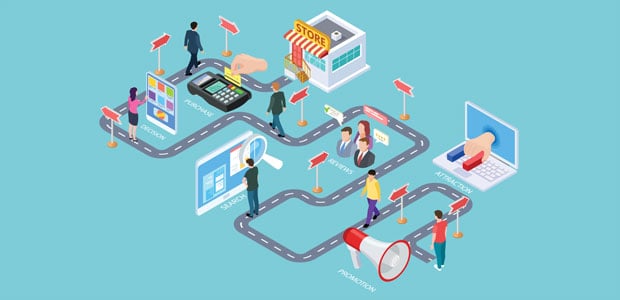
Even though customer service and customer experience are related, they are far from the same. One focuses on human relations, and the other is the sum of a customer’s entire journey with a brand or company.

One of the worst parts of ordering something online is that you end up waiting hours at home not to get your delivery. This guide will help you know what to do when it happens.
Reverse logistics is crucial for any company involved with logistics, delivery or the supply chain process. To help you get started, today we will list everything you should know about reverse logistics and how to have a successful operation.

Inbound and outbound logistics, often used interchangeably, are very different processes that serve other purposes in the supply chain. Understanding the differences between inbound and outbound logistics can help you streamline your supply chain, reduce costs and improve customer satisfaction.
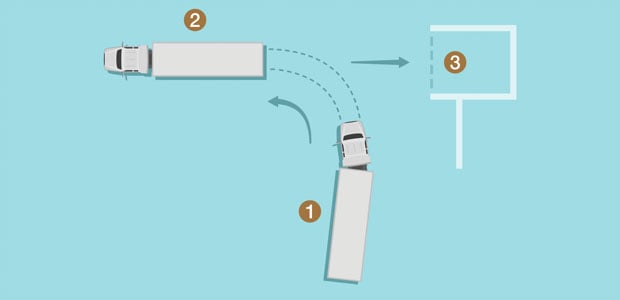
Supply chain and logistics departments often ignore reverse logistics, meaning $1trn worth of products is lost every year in the US alone.