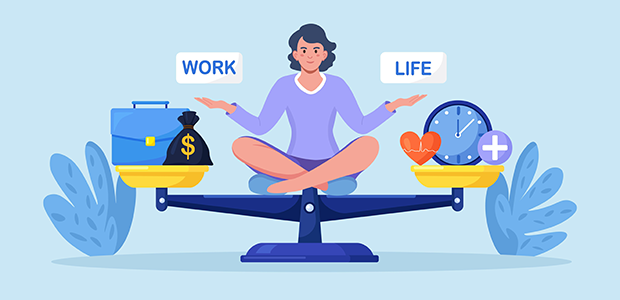
It used to be easy to know when you were at work and when you weren’t. You were either present at the workplace doing work – or you weren’t. Now you might well be in your kitchen presenting the most important pitch of your career.

As the world watches infamous tech giants such as Google, Tesla and Meta implement hiring freezes, small businesses are left wondering if they should follow suit, but what are the benefits and what should you consider?

With the rate of inflation soaring around the world, small businesses everywhere are facing a new kind of challenge – how they can best support employees through the cost-of-living crisis.

Working at home can be pretty fantastic. Increased flexibility, a quiet environment and no more commuting in peak travel hours are just a few reasons why working remotely can lead to a rewarding work life.
Together employers and employees need to understand, and remove, the barriers in the workplace for greater inclusion for all. Diverse and inclusive workplaces can not only grow your business, but they can also lead to real social change. The desire for more diverse workforces is apparent, with employees strongly supporting organisations that are taking action to create a workplace which is diverse and inclusive.

Creating a highly engaged workforce and a thriving workplace continues to be a major focus for all HR managers. And the reason is simple. Every business needs what employee engagement creates: happier and more productive employees.

For many, the Great Resignation has been a time of new roles, new opportunities, and career changes. Some have called it the Great Reset.

Everyone, at some point in their career, has experienced feeling less-than-confident. Whether you were a nervous junior who felt like they had everything to prove, a new recruit meeting a highly-skilled team or an employee who has recently received a promotion – feeling like you don’t belong in a workplace or don’t deserve to be there is one of the most universal experiences going around.

Learning and development are crucial in creating a high performing team. Everyone processes information differently and it’s no different when we learn. With no two people the same, it’s important to acknowledge the different employee learning styles of employees in your team.

Even as the pandemic stabilises, there’s no doubt that the remote working trend isn’t going anywhere.

A lot has happened in the past two years that have dramatically altered the way we define the concept of ‘work’. It is clear that hybrid working isn’t going anywhere and there has been a mixed bag of feelings about this working style. We’ve gone from feeling isolated during lockdowns, to loving avoiding the commute, to thinking about how we can use this model to its full potential.

Conflicts are inevitable, even in the most engaged workplaces. Regardless of the source of the conflict, if they are left unresolved, conflicts can quickly impact employee morale and productivity.

When you’re recruiting, it’s likely many candidates won’t fit the bill on paper, but they might be a great candidate for the job, showcasing a range of transferable skills that suit what you are looking for.

A healthy workplace culture is an important part of any successful business. A positive workplace culture not only improves teamwork and raises morale, but it also helps everyone to be more productive and efficient.

Conflicts are inevitable, even in the most engaged workplaces. Regardless of the source of the conflict, if they are left unresolved, conflicts can quickly impact employee morale and productivity.

What are the signs of HR burnout? Burnout can look different for everyone. For many, it will present in ways that make you feel exhausted and overworked. This could be increased irritability, anxiety, mood swings, a decrease in the quality of work produced, retracting from social events and encounters, fatigue, sensitivity and overall disengagement in work.

As we head into 2022, when we’re likely going to see further impacts of the Great Resignation, it’s more important than ever that HR leaders and hiring managers get comfortable with these kinds of conversations. According to our Employee Movement and Retention Report, 55% of UK workers will consider seeking a new job in 2022. That’s a lot of job interviews, and a lot of salary chat!

One thing is certain as we head into 2022 – the war for great talent is going to become hotter than ever. There is, however, plenty that you can do to win over great candidates.

2021 was one for the history books. It’s a year that saw entire workforces shift and adapt to remote working models, transform their product offering and make decisions based on simply staying afloat.

The idea of Blue Monday (17th Jan) has persisted in culture despite it now being widely dismissed as pseudoscience and a clever PR trick. It suggests that our fears and anxieties culminate on one specific day, when in reality they fluctuate throughout the year.