Features
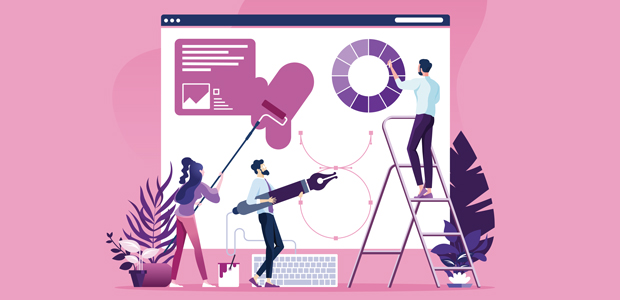
With the IMF warning that the ‘Great Lockdown’ global recession will be the worst since the Great Depression, organisations are being forced to reset and reinvent faster than ever before. The race is on for entrepreneurs and business owners to craft new plans, develop new products and deliver new solutions in order to survive.

….you never know what you’re going to get. Although Forest Gump didn’t technically say that, there is some truth in it: no two leaders are ever the same. Think about the people you’ve been led by in the past – maybe they were a crunchy-coated, brittle leader, they might have been soft and gooey, or chances are you’ve probably had a few nutty ones as well. You never know what you’re going to get.

With almost 11 weeks of lockdown in the UK, we have only just got to grips with our new working conditions. Now, with lockdown restrictions slowly beginning to ease, offices are planning for reopening. A new ‘blended’ model of working will become the norm, with some employees always working from home, in the office or a combination of both.

Death. A big topic, and generally as much a part of the everyday news cycle as politics or celebrities. From natural disasters to major atrocities, the subject never really goes away. That being said, it feels quite different at the moment. With death tolls now a media centrepiece, it’s playing a much bigger part in public conversation. At Farewill, where our 90-strong team of designers, engineers and psychologists are working to bring the death industry into the 21st century, we’ve noticed a real change in the way people are discussing and dealing with it.
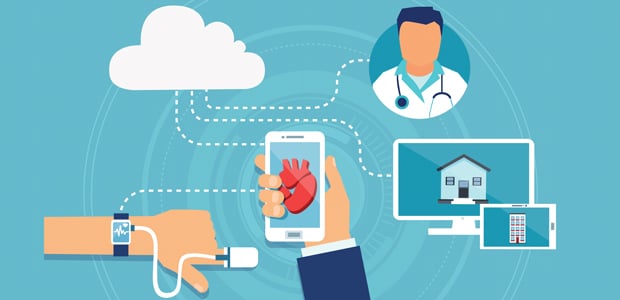
Wearables allow users to monitor their health, receive alerts for potential health issues, and preemptively contact a doctor. With many people housebound during COVID-19, wearables help people track daily exercise habits and maintain a healthy lifestyle while many gyms remain closed. Here, Emily Clark, Content Developer for The Manifest looks at the market for healthcare wearables and discusses how people use wearables for healthcare and the limitations of these wearable devices.

Europe’s AI ecosystem is consistent with many of the continent’s other expanding startups, with the UK emerging as the most dynamic country for AI: that’s according to new research from PNY Europe in collaboration with 33INSIGHTS. The UK leads the pack with 529 incorporated companies (27%), followed by France with 424 (21%) and Germany with 182 (9%).

I read once, ‘most people are starting from a disadvantage and do just fine’. I find these words encouraging and motivating. The reason being, they don’t know they’re disadvantaged because they simply, just get on with it.

Buzz Lightyear might not be the obvious choice of great leaders but we’re taking inspiration from his famous catchphrase in this article to encourage you to think big and define the vision for your organisation or team.

Following lockdown, the digital trust that blockchain creates for networks of remote users started to re-define relationships between customers, suppliers, partners and funders in earnest.

When you are trying to navigate the management of a business in the midst of a global pandemic, it’s all too easy to neglect the maintenance of your company culture. Yes, it’s true that other priorities might seem more pressing right now; after all, your clients and suppliers won’t be sending you impatient emails demanding to know how you plan to safeguard your internal team relationships.
Being out of work during ordinary times is not fun. It can weigh a heavy impact on one’s confidence and sense of wellbeing, as well as being demoralising. This applies to people whose employment has been put on hold through, as they have been in the United Kingdom, furloughing schemes designed to prevent mass redundancies. It also applies to students whose future employment and careers have become uncertain after in-person lectures and exams were put on hold. The breath of fresh air is that some lockdowns, including the one in the UK, are beginning to ease.
Startups Magazine has been lucky enough to interview Kevin Smith from Boom & Partners, a business that offers bespoke mentoring for startups to help them grow and thrive. Having teamed up with Kevin and Boom & Partners many times already, we thought it was time to get his expertise on some of the most pressing conundrums for startups
In the midst of a global pandemic our leaders are necessarily focused on the immediate. Survival – in life and in work. Entrepreneurs and executives alike are shoring up business, optimising current operations and cashflow; the need to stay afloat taking precedence over the long view. But with the passing of this crisis, may there come a sustained shift in values?
For those founders at the beginning of their entrepreneurial journey, whether for the first time or as a serial founder, there is a question that I overhear time and time again and that question is ‘should I be a sole founder or a co-founder?’
Over the past three months, small businesses have faced intense struggles, with only those deemed ‘essential’ by the government able to stay open due to the lockdown. Although these restrictions are now beginning to ease, the financial impact will have been significant.
For all businesses operating in the digital arena, there has long been an advantage to be gleaned from better understanding how your customers behave online. Can you identify which website visitors are on the verge of clicking ‘buy’? Can you spot a disgruntled customer desperately searching around an online FAQ for the product support they require? Is it possible to determine whether a prospective subscriber is ready to commit, or whether they need further incentives to push them over the line?
Given that up to 50% of any population identify as introverts, organisations with an unbiased recruitment process will have a fair proportion of introverts in their workforce. If their promotion panels are fair and equitable, some will reach positions of leadership. However, many introverts spend much of their working life pretending to be more extraverted in order to fit in and be accepted. This comes with a heavy price tag; overwhelm and burn-out. Introverts need strong, well-defended boundaries and a personal strategy for replenishing.
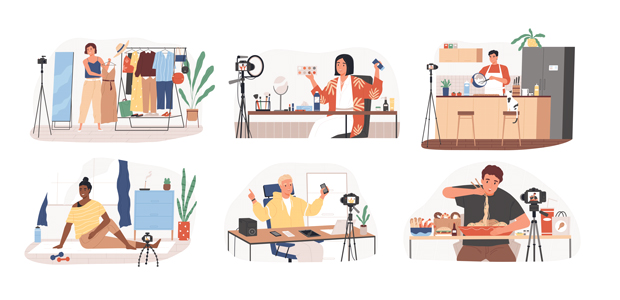
Over the last few years, I’ve been teaching business owners and their staff to set up a few simple pieces of equipment to film their own smartphone videos and get comfortable in front of the camera.

When starting a business it’s easy to get consumed by P&L and that all-important bottom line (understandably so), but as Sezer Sherif, Founder and CEO of brokerage and investment advisory firm Vector Capital Group explains, that doesn’t mean you can’t build a business with a strong code of ethics and corporate social responsibility (CSR).
As companies across the globe are closing their physical offices, the business world has transformed dramatically within just a matter of months. More emphasis is placed on business being conducted online. For example, retailers, IT service providers and even personal trainers are utilising their online platforms and video chat software to remain engaged with their customers.