Features
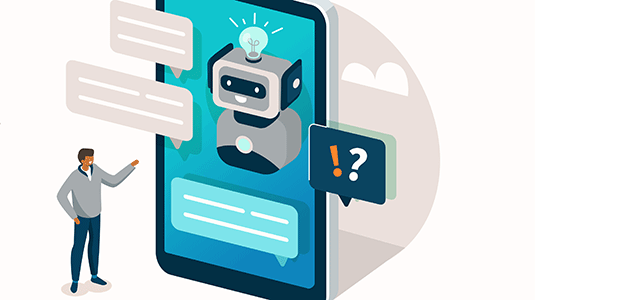
Chances are, you have probably had some sort of engagement with a chatbot in the past. These technologies are used by an array of organisations, usually in an attempt to create a much more efficient customer experience, and in many circumstances, cut costs along the way. However, these solutions are not always up to the task.

The pandemic has provided a clear illustration that the link between money and our mental health is just as strong as we think.
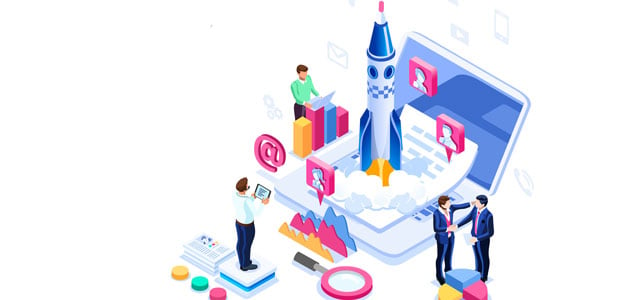
Have you got a game-changing idea that could change the way people work and live? Would you like to launch a website or app that would help a greater number of people access your services? You are aware of the possibilities of developing a digital product, but how do you get started?
The impact of COVID-19 has brought many changes to the world of business and innovation. In this continually evolving process, the current paradigm is being challenged in almost all areas across the board, from hybrid work practices to a focus on up-skilling and bringing wellbeing centre stage.
Remote work has transformed all aspects of our professional lives, and this includes interviewing and recruitment. Video conferencing has enabled businesses and applicants to carry out an interview process in a fairly similar way to in-person interviews, but there is much that businesses need to consider and look out for when recruiting and interviewing for remote positions – the typical interview questions no longer cut it.

2020 saw an uptick of newly registered businesses, with almost half a million (468,371) being registered in the UK, with the most popular startup being in the retail sector. In 2020, there were six million private sector businesses in the UK, up by 112,700 compared to 2019.
On 11th March, 2021, President Biden signed the American Rescue Plan Act (ARP) to provide much-needed economic relief to the country due to the COVID-19 pandemic. Much of the bill focuses on the revitalisation of businesses as a whole, as the health crisis had many negative impacts on the economy and typical operations.

Much of my work is focused around helping women to achieve their highest vision for themselves both personally and professionally. So many women, including those conceiving, founding and running their own businesses, have a strong sense of ambition and a vision but when it comes to actioning change or ‘up levelling’ they become overwhelmed and frozen in knowing where to start.

In fast-growing companies, Internal Communication (IC) can often be left on the sideline. Reasons for this could include: limited resources, no one taking charge of it, or simply that it’s not perceived as being as urgent as more strategic tasks.

Wide-scale disruption has been the one constant of the last 18 months, no more so than in UK businesses and industry. But if we are to ‘build back better’, then there needs to be a flexible funding infrastructure in place to support pandemic recovery.

As society reopens and businesses adapt to post-pandemic life, now is the ideal time for growing businesses to consider not only how their audiences may have changed but also the best ways to engage with them. Some of the most exciting changes have occurred in the way events are delivered, and we believe there are four key steps that businesses should take to establish and host impactful post-pandemic event programmes. By following these steps, your events will deliver and exceed their objectives, and help achieve wider business objectives too.

With less than three months to go till COP26, the UK, in particular, has a unique opportunity to establish itself as a global hub for sustainability, a world leader in green technology and investment, and a place where all tech businesses join forces to tackle one of the greatest issues of our time.

When restrictions on travel and working together took hold on the world, it forced events and campaigns (which are essential to marketing) to frantically be reshuffled and moved online where possible. Sales strategies and marketing plans had to be reorganised to adapt to the new normal of the marketing world.
The pandemic triggered a serious economic shock, giving rise to great uncertainty. CEOs, CFOs, investors and shareholders have had to restructure their financial plan to get to the next stage of growth and recover sales. Moreover, in every company there comes a time when a change is required. This is where we welcome the interim CFO, or in other terms, the prototype of a modern day CFO.

This Saturday (21st August) is World Entrepreneurs’ Day – a time for us to celebrate entrepreneurship, innovation and leadership across the globe. It’s also an opportunity to put youth entrepreneurship centre stage.
Author: Sam Smith, CEO of finnCap
Entrepreneurial business leaders looking for new technologies to help their SMEs to grow and thrive now have a powerful new tool at their fingertips, with the launch of the fully-funded Technology Adoption Service.

Data privacy is a major issue and that’s only going to increase in importance globally. Companies that take a well thought out approach to market expansion will most certainly want to consider the privacy regulation of each new country they enter. This is because the risk of noncompliance can have substantial consequences. The fine for a violation of GDPR can be up to 4% of annual revenue.

As a digital marketeer, data is king and the cost of ineffective data can be detrimental not only to the success of your campaigns. Still, it could also alienate or deter your audiences. Having incomplete, ineffective, or redundant data can lead you to making bad marketing decisions, causing business-altering mistakes.

The coronavirus pandemic has led companies to explore new options and working methods. In fact, many companies have adopted remote working on an absolutely massive scale. While senior management initially varied on this bold new way of doing things, but so far, the results have been pretty positive, to say the least. This is because a hybrid work model basically streamlines many, if not most working processes. It does this by the simple expedient of blending remote and semi-remote employees with their office-based counterparts.

As our calendars become populated with the resurgence of corporate events post-lockdown, many event managers will want to strike the right balance between in person and online.