There’s been a huge amount shared about the EU AI Act in recent weeks, so much so that you’d be forgiven for being pretty confused as to what is happening and when, and whether you need to worry about it at all.

The vision for TestMe was initially born out of a frustration with the state of play in the education sector. We’re living at a time where we are constantly overwhelmed by new knowledge – we receive news alerts on our cell phones instantaneously, and we can source boundless information using search engines. This begs the question: how do we process all of this information? Generally, the sector has struggled to keep pace with these new developments. I believe that the way we share and consolidate knowledge should reflect the needs of the modern world.
As a result of the pandemic, working from home has become, by default, the new normal. As many organizations are weighing up a partial return to the workplace – at least in a hybrid capacity – now is a good time to reflect on the efforts made to encourage positive interaction amongst teams throughout the WFH experiment. For many, this will involve rethinking how the office, and the new digital tools adopted over the past 18 months, fit into their business.
Chances are, you have probably had some sort of engagement with a chatbot in the past. These technologies are used by an array of organisations, usually in an attempt to create a much more efficient customer experience, and in many circumstances, cut costs along the way. However, these solutions are not always up to the task.
Picture this: an employee sits down at their desk at 10am from their home office setup. They are welcomed by their personal digital assistant, which provides a quick brief about the day ahead. Upcoming meetings and projects are flagged, reminding them to make the necessary preparations, and seek out the information needed to ensure they can confidently put their questions, ideas and suggestions forward.
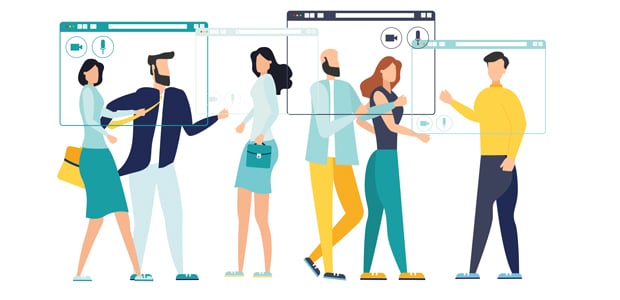
To date, the artificial intelligence (AI) industry has had quite a difficult history with diversity standards. Despite studies probing inclusivity and bias, statistics for gender and racial diversity in the sector are alarmingly low. And given that we are living in an age of strong activism in these spaces, it is high time that the tech industry follows suit with some practical steps.
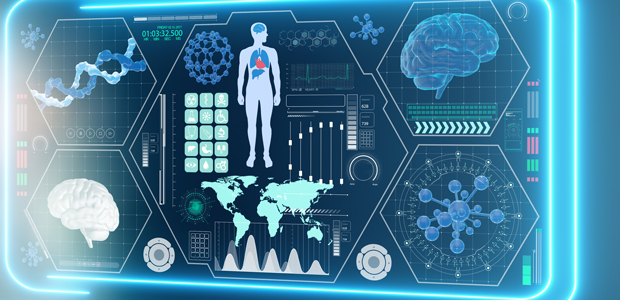
An important global competition is under way that will determine the fate of many nations. By this, I am referring to the global artificial intelligence (AI) ‘arms race’ which has seen countries battle to develop the next generation of intelligent technologies.

Global efforts to combat climate change have been stifled recently, with an unprecedented crisis shifting the focus of governments, businesses and consumers away from the plight of the planet. We’re engaged in a war against an invisible enemy; and COVID-19’s dire importance has placed many environmental initiatives on hold.