Features

The ticketing market is something people of all ages and backgrounds have experience of. From a historic live music event to a local food festival, we have all had to go online and pre-book tickets. And most of us have at least once been left disappointed by having to go to a secondary market to pay an eye-wateringly high price just moments after the tickets first went on sale.

If you’re one of the half a million people in the UK that qualifies as a High Net Worth Individual (an annual salary of at least £100k, or net assets, excluding property and pensions, worth £250k), and are looking for more empowerment, impact, community and flexibility, now is the time to consider becoming an angel investor.

With international cyberattacks peaking at the end of 2021, founder are starting to get more serious about digitally protecting their companies from the outset.

Blockchain technology is amazing. Sadly, it is most known for bitcoins and other virtual currencies, where the added value of the technology has little to no meaning to humankind. At the end of the day, Bitcoins just create a lot of CO2 for nothing.

One of the key things that everyone struggles with is Time Management, whether they are C-Suite (I actually hate that phrase) or a junior executive. It’s also even more prevalent if you are the owner of a Start-up where you can end up being responsible for everything from toilet rolls to long-term business strategy. Even if you are the owner of a thriving SME with a team, you’ll still end up with a long, long ‘To Do’ list that never seems to get shorter, but only seems to grow longer. So what is the answer for effective Time Management?

As many UK health tech and fitness brands are moving through to the new financial year, you can hear the buzz of excitement from marketing communication professionals as finally, we are going back to face-to-face events. Nevertheless, content marketing remains a significant part of the PR and digital marketing strategy, and by the looks of it, its importance is only increasing.

74% of American companies have already adopted or plan to adopt a permanent hybrid work model. There are many benefits to using a hybrid work model for your startup. Your employees will have a better work-life balance, you can downsize your office space, and your employees will be more content.

Chances are you’ve heard the phrase ‘imposter syndrome’ at some point. Originally identified in a 1978 study, it refers to the idea that high-achieving individuals might consider themselves to be ‘imposters’ in their workplace, regardless of any evidence to the contrary.

Climate scientists have argued that ambitions for reaching net-zero emissions by 2050 will no longer be enough to avoid the worst impacts of global warming, because change is happening more rapidly than predicted.

When you first set out to launch a business, you’re prepared for the many beginner pitfalls. You might not know what they all are, or where they’ll all come from, but you know that it won’t be easy – primarily because everyone tells you so. However, something that’s talked about less often is the difficulties you’ll face once your business is fully established and you’re ready to start growing

So far in this ‘Back to Basics’ series we have looked at nine fundamental areas that entrepreneurs and would-be founders either consider or should be considering, both before and during their startup journey. These have covered: Should I Find a Co-founder?; Working with Advisors; To Scale or Not to Scale?; Pitch Decks and Business Plans; Think Green!; Raising Finance; Basic Truths; Cash Flow is Everything; and Second Thoughts.

We talk a lot about how leaders need to make sure everyone in their team is happy and comfortable. It’s important to create a culture that promotes well-being and performance, but while leaders take care of the people they lead, who is taking care of them?

Everyone, at some point in their career, has experienced feeling less-than-confident. Whether you were a nervous junior who felt like they had everything to prove, a new recruit meeting a highly-skilled team or an employee who has recently received a promotion – feeling like you don’t belong in a workplace or don’t deserve to be there is one of the most universal experiences going around.

Learning and development are crucial in creating a high performing team. Everyone processes information differently and it’s no different when we learn. With no two people the same, it’s important to acknowledge the different employee learning styles of employees in your team.

Undelivered packages. Lost parcels. Delays. Everyone has been a victim of a flawed last-mile delivery at least once, and failed deliveries significantly affect customer experience. Today’s article will help you improve your last-mile delivery and avoid unsatisfied customers.
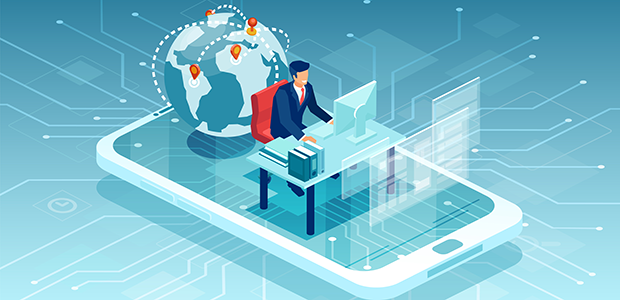
Internationally-recognised digital product leader Luke Wroblewski said in his 2011 guidebook, Mobile First: “Mobile devices are our true personal computer: always with us, connected to the network, and filled with new capabilities for getting things done”. But have you considered favouring mobile devices over all other forms of technology? Here, Kristian Torode, Director and Co-Founder of business communications services provider Crystaline, explores the business benefits of going mobile-first.

Historically, larger institutions have held the keys to the investment kingdom. Banks, hedge funds and other financial heavyweights have long used exclusive access and knowledge to peer under the hoods of public companies, using their findings to inform their investment decisions. Meanwhile individual investors have been left with little power in the stock market, deprived of the access and insight required to compete and find an edge.

Social mobility affects us all. It covers all strata in society and does not just affect those typically seen as underprivileged. The family you were born into, where you come from, or the people you know shouldn’t be what shapes your life and prospects – but the reality is these things can still impact an individual’s progression in life and in the workplace as much as talent and skill.

With The Queen’s Platinum Jubilee celebrations fast approaching, brands all over Britain are racing to get a slice of the royal pie.

The notion that the pandemic shifted the needle when it comes to applying technology to learning is overblown. Yes, we adapted, but did we really innovate? In many cases, we took the static, traditional learning process and shoehorned it into an online format. Technological advances progress at breakneck speed, and yet learning is an area that is not even close to making the most of what technology has to offer. Why is it, when we have the world’s most powerful knowledge resource (the internet) at our fingertips, that we continue to apply 200-year old ideas to how we learn?