Features

The pandemic forced the world to change its working habits, with many working from home full time for the past two years to ensure employee safety. However, over two years on since the pandemic was declared, workplace habits are beginning to change. With 80% of people surveyed by Mckinsey stating they enjoy working from home and 41% of people saying they are more productive, is working from home here to stay? Mark Bond, Group Chair, Mentor and Coach at Vistage discusses.

First impressions count. How a company handles the first few days and months of an employee’s experience can have a serious impact not only on their new team member’s confidence and productivity but on the business’s ability to retain top talent.

Funding rounds and cash injections are fantastic for startups – but what we don’t often see discussed are the business challenges that rapid growth can present. For example, the cash injection following our Series B funding round helped us triple our headcount in just six months – but because our onboarding process wasn’t built to handle so many new employees joining, we realised this simple inefficiency was hindering everyone’s success.

As we celebrated World Youth Skills Day earlier this month (15th July) – the annual celebration of the strategic importance of equipping young people with skills for employment and entrepreneurship as they begin their career journey, we wanted to highlight some tips from business leaders on how we can support the next generation as they enter the workforce.

When establishing a startup, or later on during the whole scale up journey, there is one general concept that holds good, and that is that you should try to under promise and over deliver. When producing a Pitch Deck or Business Plan don’t just focus on the best case scenario and don’t always just go for the highest valuation as there can be many downsides in doing this; raised expectations is only one of them.

Due to the impact of the pandemic, traditional working structures have been upended. During various lockdowns and restrictions, the global workforce had the opportunity to reflect and re-evaluate what they wanted from a career. From more flexible work arrangements to greater autonomy or even a complete industry change, this mindset shift is coming to fruition in the form of the so-called Great Resignation. And employers are faced with the consequences.
For many software professionals, coding is a pursuit of passion, and being promoted to higher positions is not a top priority. However, the desire for new challenges may leave software developers considering other opportunities.

Even before the global health crisis changed the face of enterprise forever, digital transformation was soaring higher and higher on the business agenda for boards of directors worldwide. When it comes to establishing and holding a competitive edge, digital solutions can set businesses apart with improved operational efficiency and agility.
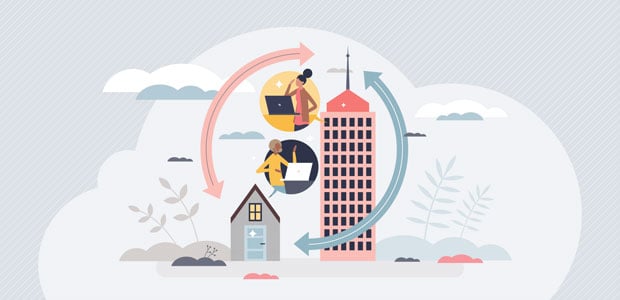
Hybrid working became the norm two years ago. How has it developed to become a realistic working model for the future?

I have always worked in tech, so have needed to understand the technical nature of the products we are building. This process has generally been over-complicated for me so I now always try to write a guide for non-technical people like me. It turns out that once you understand it you can explain it to other non-technical people much easier.

One of the most difficult things to being a founder or running an early-stage business is the lack of human resources and the sheer amount and diversity of work that needs to be done. This can so often lead to founders getting caught in a cycle of fighting fires and finding themselves not able to have a planned approach, nor to being able to look at the overall picture of what needs to be done and when.

As temperatures soar during this heatwave, at what point does it become too hot to still work?

Those currently in the early stages of their career are facing a very new set of challenges. As the cost of living crisis continues, Gen Z’s view of what they are looking for from their career has changed. We’re seeing the move from the traditional 9 to 5 to individuals embracing new and exciting ways of working including side-hustles.

Feefo is a software-as-a-service consumer ratings and reviews platform, harnessing the power of verified consumer reviews to improve online sales conversion metrics, enhance digital marketing and provide valuable customer insights and analysis to ecommerce customers. Startups Magazine caught up with Feefo’s CPO, Bera Kalhan.

Inbound and outbound logistics, often used interchangeably, are very different processes that serve other purposes in the supply chain. Understanding the differences between inbound and outbound logistics can help you streamline your supply chain, reduce costs and improve customer satisfaction.
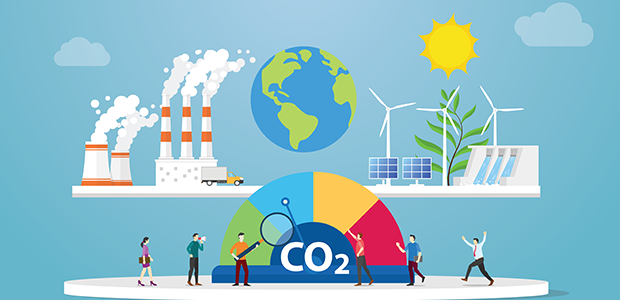
Fintech companies have huge implications in the world on the global economy, and on global warming. Currently, the world is facing one of its greatest challenges yet, to prevent rising global temperatures, by reducing greenhouse gas (GHG) emissions.

On average, we spend about a third of our lives working, so it comes as no surprise that our jobs can have an enormous impact on our wellbeing. Indeed’s Work Happiness Score, found that only 27% of UK workers report being happy at work, with nearly three quarters (72%) admitting that their workplace unhappiness has had a negative impact on their physical and/or mental wellbeing.

Working at home can be pretty fantastic. Increased flexibility, a quiet environment and no more commuting in peak travel hours are just a few reasons why working remotely can lead to a rewarding work life.

Climate change has been at the forefront of news reports, social media campaigns, and charity efforts for the past few years and it’s been having a big impact on everything from the way people live to the way businesses run.

A key part of starting any business is figuring out how and when to take care of your bookkeeping and accounting. If you’re not sure where to begin, look no further!