Features

Many of us will have probably read news stories about battles between companies over intellectual property (IP). Such stories can really capture the public imagination when it involves a small or medium sized company embroiled in a dispute with a large corporate. The British public seem to love an underdog story, with the classic David vs. Goliath scenario winning hearts and minds as people cheer on an SME’s attempt to fend off a challenge from a big business.

Starting your own company can be an expensive business and the costs soon add up. Luckily, even if you are short of money, there are different options available for improving your company cash flow and today we hear from some industry experts to get their insights.
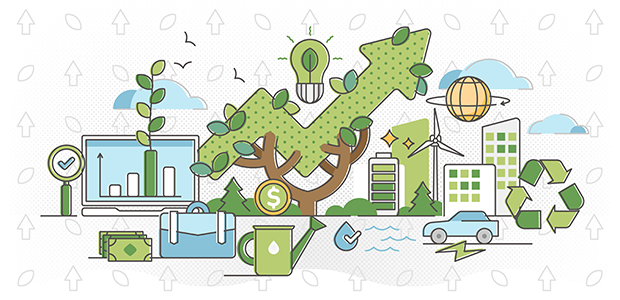
The UK has become more environmentally conscious in recent years. In fact, the global pandemic encouraged people to become more sustainable, and 36% of consumers report supporting companies that are environmentally friendly. But where do Gen Z fit into this?
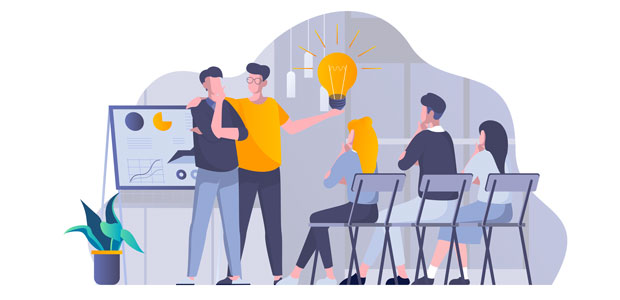
Disparity from HR, eagle eye investors who are aware of the issue and startups with big goals and small bank accounts have all compounded into a tech recruitment issue causing much debate in the industry.

Economists are signalling that a toxic mix of recession risks are hanging over the global economy. Many startups won’t have felt the effects of such a financial slump before and will find themselves in unchartered territory.

Femtech, technology aimed at supporting female health, has been on the rise in recent years as millions of women turn to technology to gain insight into their bodies.
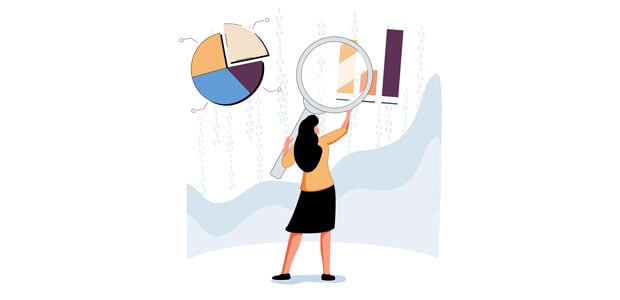
To be a successful entrepreneur means that you have to run a successful business. That in turn requires your business to sell products or services that customers want to buy and at a price that they are prepared to pay. In addition, the profit margins that you make need to be sufficient to support a growing business.
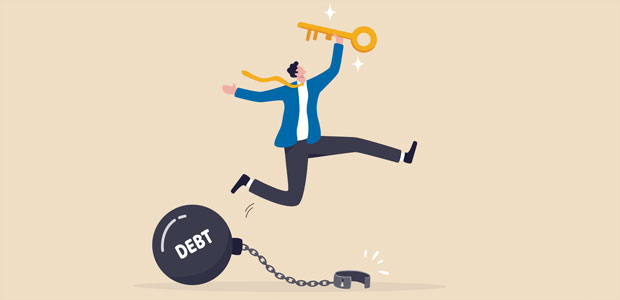
If you’re in debt, you’re not alone. In fact, according to a 2019 report from the Federal Reserve, the average American household owes nearly $7,000 in credit card debt. But just because debt is common doesn’t mean it’s easy to deal with. If you’re struggling to keep up with your payments, it can feel like you’re drowning in a sea of numbers with no end. But there is light at the end of the tunnel
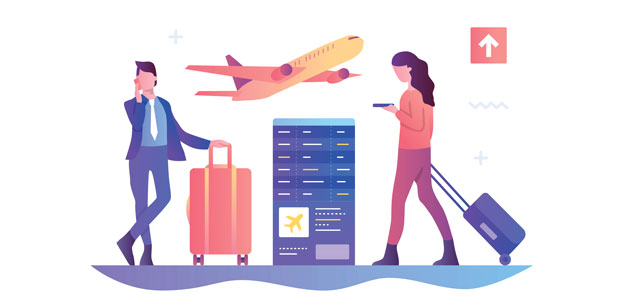
Over the last few weeks, we’ve surveyed our customer base, with the findings indicating that most UK businesses are starting to return to pre-pandemic levels of business travel, with plans to increase their business travel further in the future. Even international travel, which is still somewhat disrupted, is slowly increasing. These seem reflective of the wider UK too as the country gets to grips with a hybrid way of working with more miles on the road and in the air, while home working remains here to stay.

We’ve all struggled with feeling like we’re not good enough, and it’s common for employees to end up feeling like an imposter in the workplace – but according to Mike Jones, founder of Better Happy, these feelings of insecurity can actually benefit your business.
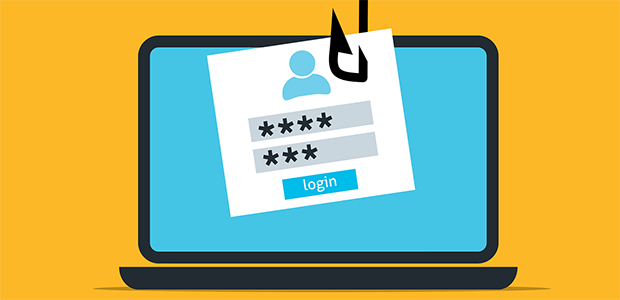
The Fast Identity Online (FIDO) Alliance – a group of technology companies including Apple, Google and Microsoft – announced its commitment to supporting passwordless authentication across its products.
As the cost of living continues to climb and a potential recession looms, small businesses are facing new challenges. The pandemic, which already brought about an accelerated shift to online shopping, has piled the pressure on high street brands to keep pace with online counterparts.

You’ve got a great idea for a startup, and you’re ready to make it happen. You don’t have a surefire marketing strategy in mind yet. But you know one thing – you gotta have an active email list ASAP.

The demand for app development doesn’t show signs of getting slower any sooner. As apps are an accessible type of technology, where people can have access from anywhere, the consumers’ interest in this technology is vital. Therefore, many companies are taking this trend and changing their traditional environment to mobile for effective business positioning. But developing an app isn’t easy and takes time and teamwork for a positive outcome.
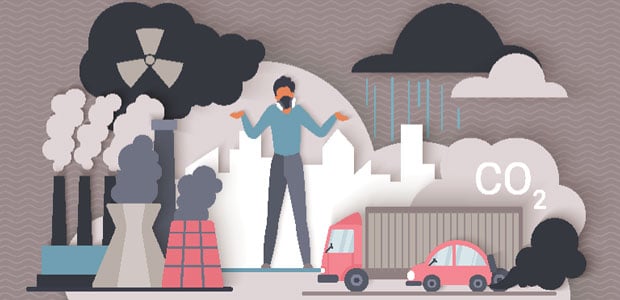
We are all aware that something needs to be done to reduce our carbon footprint, but many of us have no idea where to start. Naturally the best place to start anything is from the beginning and in carbon planning the beginning is to measure where you are now – what your current carbon emissions are.
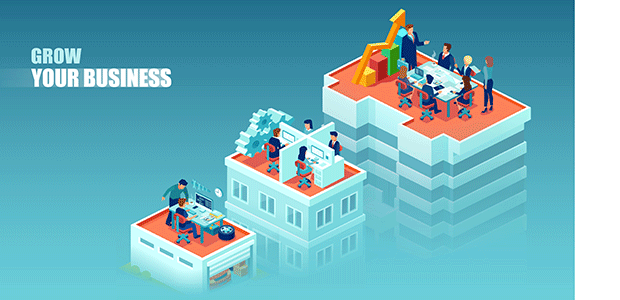
With the worst of the coronavirus pandemic seemingly – hopefully – behind us, many of the world’s leading economies are looking for ways to begin recovering and rebuilding from the financial downturn they have experienced as a result.

Medical startups are a prospective niche that provides valuable services to people seeking medical help. One of the most successful examples is Bookimed.com. It is a medical tourism startup that assists people from any corner of the globe in finding the best treatment option. People use such services for two reasons: either they look for higher quality or low-cost medical services than those they can find in their own country of residence.
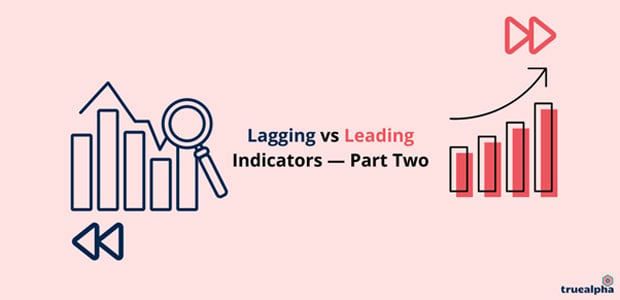
Hello and welcome back to Part two of our series on Leading and Lagging indicators. In the first part, we covered what leading KPIs are, looked at how they work numerically, discussed why they are a powerful tool for startups, and shared the nuances startup founders should keep in mind while working with leading KPIs
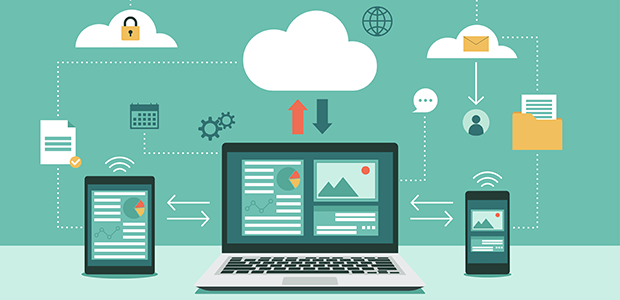
Government lockdowns during the COVID pandemic forced businesses to quickly adapt their working practices, as employees required work-from-home set ups almost overnight, and many companies quickly became reliant on cloud-based technologies to make the shift as smooth as possible.

Over the past few years, we have been plunged into a working life of makeshift desks, online meetings and working predominantly alone, often from home. Managers and their teams have adapted quickly to conducting the majority of business remotely, becoming rather adept at doing so.