Features

Technology is something that aids our progression forward, but can it be used as a force for good and point us in the right direction as we move to the future?

With TikTok becoming one of the most used social apps, but a lot of people still thinking it is aimed more for the younger generation, are businesses missing a trick not being on TikTok?

The IT market is experiencing a crisis all over the world – the number of vacancies is declining, while the number of specialists open to new offers is steadily growing. There are many reasons for such changes in the IT market. The main now is the Russia’s invasion of Ukraine, the economic crisis and its consequences in all spheres of our lives

There is evidence to suggest that people only retain 10% of a message when reading it, but as much as 85% when viewing a video.

Every company is struggling to attract enough talent. Despite huge pressure to fill jobs, record levels of recruitment woes globally are showing no signs of improvement. By 2030, research consultancy Korn Ferry estimates that more than 85 million jobs could go unfilled because there simply aren’t enough skilled people to take them.

Every now and again, two seemingly divergent ideas work together. Peanut butter and jelly anyone? I’d like to propose another unlikely combo: offices and tents. On the face of it, it may seem crazy, but this idea is backed by solid research.

As TikTik consumption is increasing, we spoke to someone with expertise, Cat Anderson, Head of Marketing EMEA at Sprout Social on why B2B startups should bother with TikTok, and how entrepreneurs can work on growing their social presence.

One of the biggest challenges that businesses are experiencing today is recruitment. Described as The Great Resignation, the UK has seen higher-than-usual numbers of employees voluntarily leaving their jobs since the pandemic, which is having a huge impact on businesses finding and retaining talent.

Once starting up, the competition can be fierce, and it can be difficult standing out from the crowd. You always need to be ahead of the game and prepare for the unexpected.

Most entrepreneurs, and indeed the early-stage businesses themselves, share many of the same challenges and experiences along their journey. This is basically true irrespective of the industry in which they operate or the product or service that they deliver.

It’s been 50 years since mankind last set foot on the Moon. During this time, human space exploration has focused on manned low-Earth orbit missions and unmanned exploration. The space industry is worth £240bn worldwide with the UK accounting for £16bn of that.

The customer is always right, and one of the most important factors when it comes to business decisions. So how do you keep the customer happy?

Harvard Business School conducted a recent survey where they discovered 70% of people believe it is important for businesses to make a positive impact. They also found 25% of consumers take a zero-tolerance stance on companies that employ questionable ethical practices.
A new economic landscape is quickly materialising as consumers become more discerning with spending, and the pressure is on startups to work harder to generate love for their brand across many different surfaces.

In the face of rising care backlogs and staffing shortages, healthcare services urgently need innovative solutions to deliver sustainable transformation and support. As an Accident and Emergency doctor, I witnessed first-hand how poorly implemented, inflexible tech put additional pressure on clinicians and affected the ability to provide the best patient care.
Our brain is constantly evolving. According to Zimmer, the brain has up to 100 billion neurons which create 100 trillion neural connections, making our brain into a highly complex thinking machine. We can take seemingly random pieces of information and connect them to completely unrelated subjects and create something new, which is why as humans we are incredibly creative and innovative. It seems like a paradox then, as despite this, we can find it so difficult to break negative habits that may even be detrimental to us.

Soaring fuel and energy costs have seen average household energy bills in the UK forecasted to rise to more than £3,000 this winter, this is also going to have a significant impact on offices too. While rocketing energy costs are certainly a cause for concern for many businesses, there are some reliable ways to increase the energy efficiency of your office and reduce outgoings.
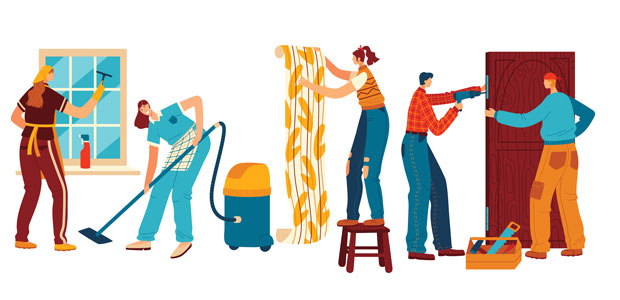
Since handymen and labourers returned to work following national lockdowns, competition is back to pre-pandemic levels. The rising cost of living, altered working schedules and the new remote culture have led to an increased reliance on contractors. More so than ever before, it’s essential that your jack-of-all-trades company name is well-known, and that your services stand out from the crowd, but how can you get the best results from your handyman business?

If you are in the process of starting a new small business, you will be well aware of the various challenges that you may have to face in the near future. In Britain alone, you will be competing with another 5.5 million small businesses which means that you will have to pull out all of the stops in order to make enough revenue to stay afloat.
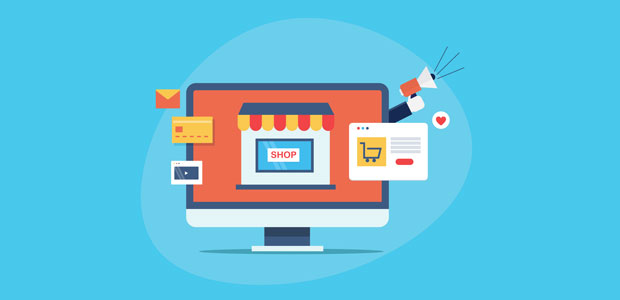
eCommerce is a growing trend, and the demand for eCommerce platforms will rise over the next few years. The good news is that several different eCommerce platforms are available to help you get started. The bad news? Building an online store isn’t easy—nor should it be!