Features

Hi, I’m Barry. I’ve been a freelance writer working in the diversity and inclusion space in Ireland for nearly six years. Having dyslexia and dyspraxia myself, I’ve always been interested in products that can improve the experience in the workplace, education, or healthcare.
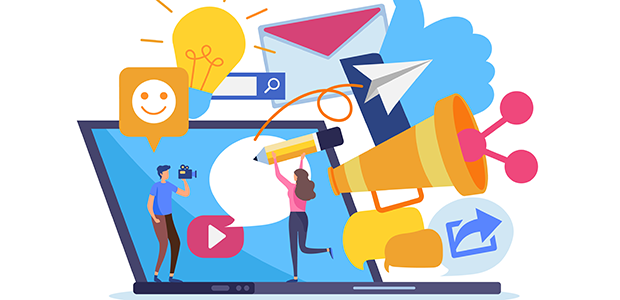
In an economic downturn, the marketing budget is minimized first, despite history showing time and time again that it is not a good idea to cut back. Our top ten reasons will show the necessity of small business marketing to thrive in a recession.

With COP27 approaching and a summer of heatwaves reminding us all of the urgency for businesses to play their part in reaching net-zero by 2050, businesses need to think about their sustainability plans more than ever.

What image comes to your mind when you think of an entrepreneur? Someone with incredible analytical, technical and management skills? Someone who can work from a very busy schedule and tackle every obstacle they face?
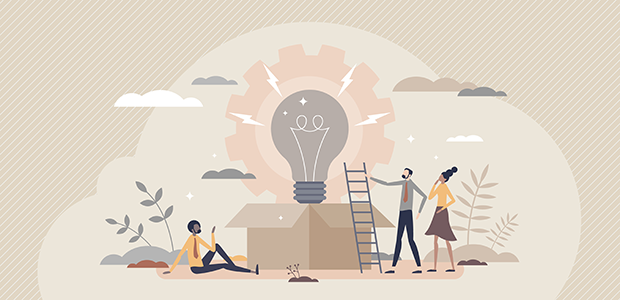
Here, I share my top five tips for anyone to build a new brand.
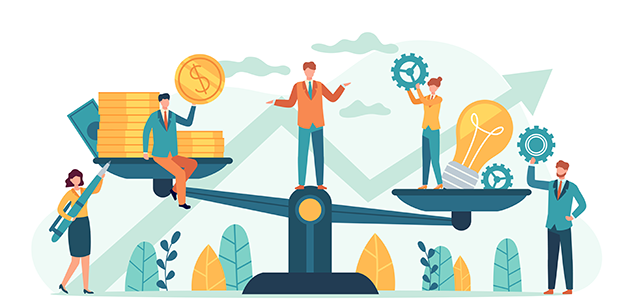
When starting a new business, founders tend to fit into one of two categories. There are founders whose plan it is to scale their new business as aggressively as possible and to exit for the maximum value in five to seven years’ time

Investing has been around since time immemorial, as a way to get our money working for us. There is usually some risk involved, but this is why investing provides high returns.

There is a concept in the patent and the IP world which has been available for use for approximately a decade now and should be well known and used: Virtual Patent Marking (VPM) programmes.

With SME’s accounting for the employment of more than half of the UK’s workforce, supporting these businesses is of benefit to everyone while geopolitical events and the impact of the pandemic continue to cause economic uncertainty.
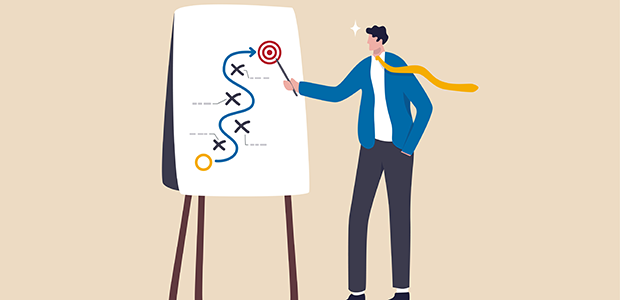
As an entrepreneur and consultant, I’ve worked in 30+ industries, onboarding clients who were already past the start-up stage. Almost every company I stepped into had issues that mainly stemmed from becoming too big too fast. By implementing more holistic leadership, strategies, and management systems, startups can be in a much better position to prevent toxic practices from infecting and poisoning your company.
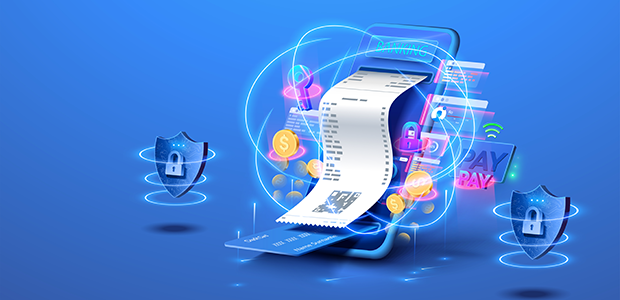
Although digital transactions have existed for several years, the pandemic prompted a surge in alternative and innovative payment methods. Not only was this out of convenience, as businesses were closed and online shopping was the only substitute, but for hygiene reasons and consumer safety.

Home entertainment and hospitality platform, HOMETAINMENT, has announced it has raised nearly £400,000 in funding through a crowdfunding campaign and is set to scale in London and abroad.
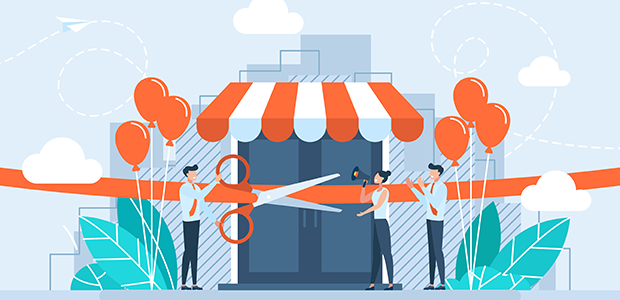
As I write this, the business idea that myself and two friends came up with over 12 months ago is on the verge of launching across London. To say I have had a few sleepless nights in the lead-up to this point would be a bit of an understatement.
Escapism is otherworldly, blissful, maddening and liberating. Everyone has their own forms and rituals for temporarily getting away from the realities of life.

Following our last article, we looked at how brand values play a part in building brand culture. We looked at this from a deeper brand purpose perspective.

A quick Google search of the renowned buzzword ‘customer experience’ returns over 1.5 billion results. That’s 104 times more than the population of Europe.
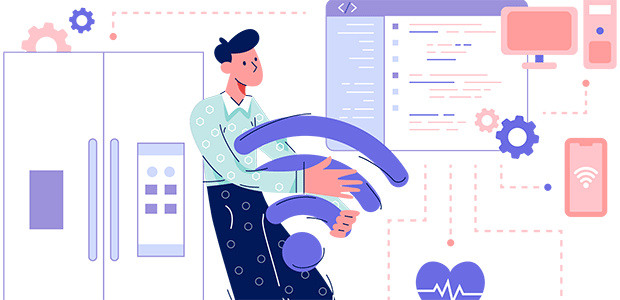
The internet of things, or IoT, is a system of interconnected computational devices and digital machines that can share data over a network without requiring human-to-human or human-to-computer interaction.
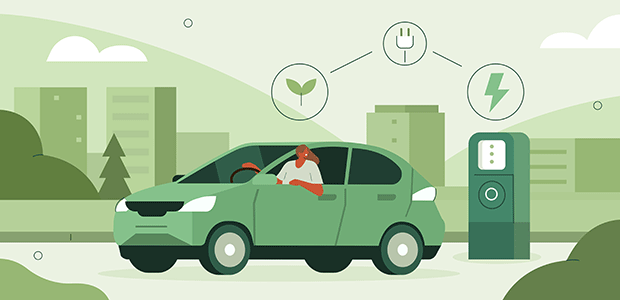
With gas prices soaring and an increasing drive for sustainability across the UK, electric cars have never made more sense. Yet figures show that despite electric car sales increasing, the market still has plenty of room to grow – and could contribute far more to efforts to decarbonise.

Despite challenging and uncertain times in the form of political and economic instability, entrepreneurs launch new businesses every day. Fortune favours the bold, right? So, where there’s uncertainty lies opportunity.

Lot traceability software is a system that helps businesses track the movement of products through the supply chain. This information can be used for various things. There are a lot of benefits of lot traceability and the biggest ones will be discussed in this article.