Diversity
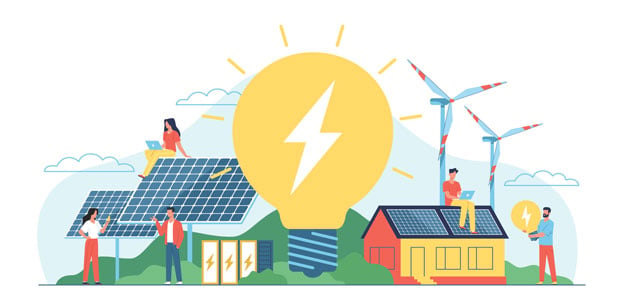
International Women’s Day is designed to pay homage to the progress that has been made in the battle for gender equality, but it also highlights the existing challenges that many women still face today. This year, as well as highlighting the everyday prejudices that women face, focus is also being placed on the growing need for sustainable practices within business. Gender equality is essential, and so too is the need to protect our future environment. And from an enterprise perspective, work needs to be done to improve in both areas.
FEMALE entrepreneurs running growing businesses have shared the secrets behind their success in a special report to mark International Women’s Day. The female founders also outlined the challenges they face in growing their businesses and explained how they’ve overcome them.
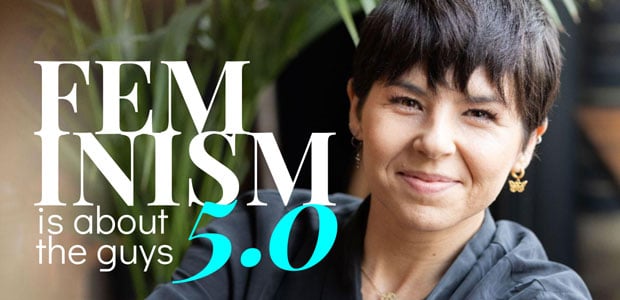
In our post-#MeToo era, 60% of male managers claim they no longer feel comfortable mentoring young women. And it’s not just senior men in the workplace. In another study of younger males, Gen-Zs felt that feminism has ‘gone too far.’
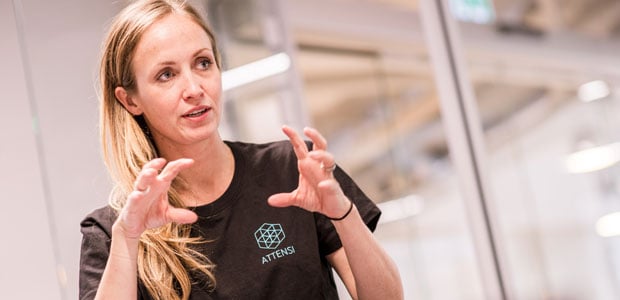
In our last Women in Tech issue back in September, the founder focus feature saw us head to the land of the midnight sun, Norway, to speak to Anne Lise Waal, CTO and COO of Attensi, provider of gamified training solutions, about the diverse team she has built, and how women in CTO positions can influence the ethos of a tech business.

When it comes to the battle on gender equality, we can certainly see some improvement, however, there is still a lot to be done. Whilst we may be encouraging the younger generation into more STEM and subjects they weren’t considering before, we need to make sure this is reflected all the way up – and into leadership positions.
Your health and wellbeing is one of, if not the most important thing in your life. There are so many different aspects to look after when it comes to your health and wellbeing, so why hasn’t the process of doing been made easier?
Ahead of International Women’s Day (Tuesday 8th March), we look at some of the best inspirational books written by and for women looking to jump-start or further develop their career in the tech world.
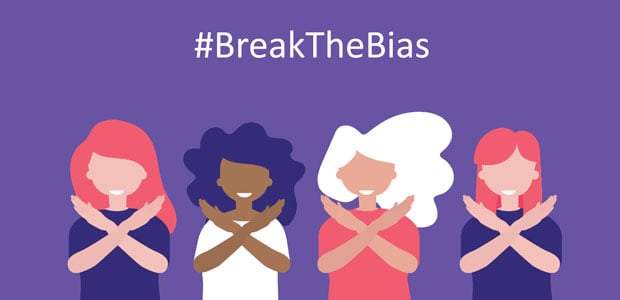
The theme for this year’s International Women’s Day is #BreakTheBias, and whether deliberate or unconscious, bias against women has long been an issue faced by many in the workplace.

As we look forward to International Women’s Day tomorrow, Dr Claire Vowell, Koa Health Lead Psychologist, issues a workplace warning.
Nearly a fifth (17%) of women in the UK are considering starting a business following the pandemic, with almost half (48%) citing a desire for more money as the biggest driver, followed by 46 per cent wanting the freedom of being their own boss.
Tomorrow (Tuesday 8th March) is International Women’s Day. While more employers do now offer health and wellbeing support that is specific to women, this is often limited to a particular life stage, such as maternity. Towergate Health and Protection is encouraging businesses to provide for women across the entire lifecycle, from early adulthood to menopause, and beyond.
International Women’s Day shines a light on the amazing work of women across multiple industries. However, it also serves as an important reminder that a lack of diversity remains an ongoing issue, especially within the venture capital industry.
Making the leap from a business plan to a fully operating company with customers and employees is an exhilarating journey. There is nothing more exciting and empowering than building a business. Particularly as a woman because you have this added sense of breaking the mould or going against the statistics. With excitement, come some terrifying lows, confidence crises and loneliness. I want to make it one of my personal missions for the negatives not to scare people away.
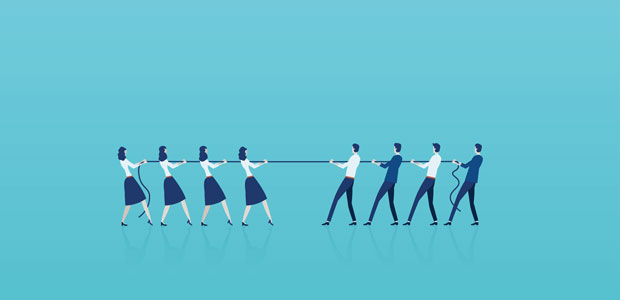
Recent reports have shown that women in business in the UK is on the rise. Almost a third of businesses are owned by women which highlights a remarkable shift from figures in 2016 when just 17% of founders were female. There is still some way to go before the playing field is even but undoubtedly female entrepreneurs have some of the most inspiring stories out there.
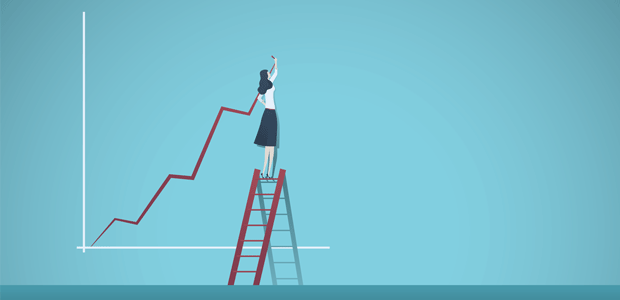
I always say that numbers speak for themselves. So it’s doubtful that these numbers will surprise female founders anywhere. Pitchbook data from earlier this year showed that, despite record levels of capital invested in Europe, female founders received just 0.7% of the total funding – €400m (about $473m). The picture isn’t much more encouraging in the US; last year, female-only founded companies garnered 2.2% of the total capital invested in venture-backed startups.
The last 18 months have seen our working lives turned upside down, and after a period of uncertainty, a new era of hybrid working has emerged. Current guidance aside, the majority of companies are offering employees a blended option of at-home and in-office working and half the population would even leave their job if the option for hybrid working was removed.
Since the news broke that Meta Platforms Inc (formerly known as Facebook) will be leading the work on the metaverse, I often get asked what will happen if this new virtual realm looks like Meta itself, the tech industry, or even the broader professional world, in terms of female representation.
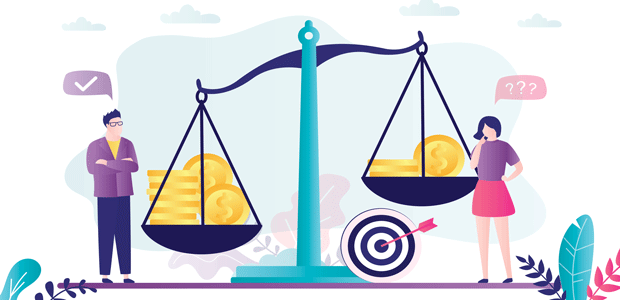
AI, Big Data, SaaS, cloud computing… tech companies are literally creating our future. But when it comes to salary equality between men and women, the tech industry is still stuck in the past.

With extraordinary women from across different parts of the country, a variety of backgrounds and industries, the 19th annual NatWest everywoman Awards brought these entrepreneurs together having one thing in common – being some of the UK’s most inspiring females, recognising their outstanding achievements during one of the most challenging periods for businesses in living memory.
BixBio was founded in 2019 by James Ross and Tyronne McCrindle. The pair are from Cape Town, South Africa, and seek to address the massive underrepresentation of African data in global genetic datasets.