Features

The worldwide pandemic COVID-19 has been dictating where and how businesses operate. The lockdown forced (and continues to force) many companies into a state of ‘remote working’. With little time to prepare, many startups have been scrambling to find new ways to communicate, collaborate and share valuable business information.
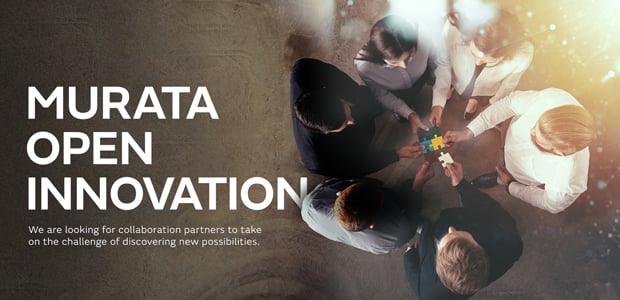
Startups Editor Anna Flockett talks to Murata’s Mitch Nozaki, EMEA facilitator for their Open Innovation website, about why the electronics company is looking to collaborate with startups.

Remote working is here to stay. According to a survey by KMPG, 68% of CEOs are planning to move operations online and downsize office spaces. As more businesses realise that employees do not need to be under the same roof to be successful, they are considering how to embrace a more flexible work environment.

Like pretty much everything else that has happened so far in 2020, Black Friday and Cyber Monday are going to look a bit different this year. When we think of Black Friday, we imagine bustling crowds swarming into shops and busy customers, battling to bag a bargain. This year, however, 70% of consumers say that they’re not planning on returning to physical shops for the foreseeable future. This means retailers need to take an online-first approach to Black Friday.

Today’s workplace culture has many employees feeling the pressure to turn up to the office at all costs, even when ill; however, the global pandemic COVID-19 has shown it is more critical than ever for businesses to tackle the widespread challenge of ‘presenteeism’ especially when majority are working from home.

With the ever-growing numbers of people who are in the white collar jobs, against the very limited space in towns and cities where most people would prefer to get an office, there is a need to put up offices in homes. Also in this pandemic season, working from home has become a part of the new normal. Remote working has greatly helped in decongesting offices and minimising the need for daily commute.

Company culture has a big effect on our overall happiness and wellbeing. A toxic workplace culture can impact someone so dramatically that it affects their performance and can create a ripple effect into their families’ lives. By having a supporting, caring and inspiring working environment, employee health is improved which impacts the business’ bottom line through increased productivity and the creation of positive brand ambassadors for your business.

As many UK businesses begin to reopen, investor eyes will be sharply focused on whether startup companies can withstand the ongoing COVID-19 storm. However, investors do not need to stand by nervously as these fortunes are gradually revealed. By being actively engaged in the development of portfolio companies, investors can not only identify earlier the budding businesses likely to emerge strongest, they can also move quickly to help the most challenged.

The Coronavirus is spreading like wildfire all over the world and because of that, it’s becoming more and more difficult for businesses to keep their operations going. Since March this year, 40% of all businesses in the United States have been closed down because of the Coronavirus. Due to that, many businesses are faced with more challenges than usual.

Traditionally, the office has been a place we go to in order to work. But with almost three quarters (74%) of firms planning to maintain increased levels of home working after the pandemic, according to research from the Institute of Directors, are the days of the physical office numbered?
Downsizing a business is never an easy task, however, with many businesses not performing up to standard as a result of the pandemic it has become necessary. Richard Wayman, CIA Landlord’s Finance Director reveals the most important factors to consider when downsizing during the pandemic.

In the past three years, I have worked with a number of businesses and clients from all sizes of company and all industries. Whilst the companies and people differ, one thing is constant for nearly every single person I have met since starting my consultancy: most people fear, hate or avoid selling.
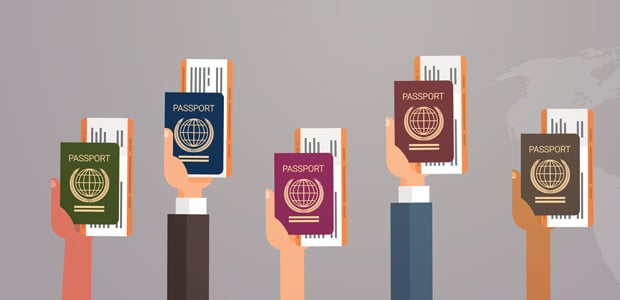
Brexit immigration is one of the shocking events that shocked the world, specifically the UK citizens. The changes that have been foreseen due to these changes predict a huge transition in the economy and the country at large. As the decision was made in June 2016, the majority vote made the UK exit the European Union severely. The Brexit mainly affects the immigrants predominantly leaving them with terms and conditions that they need to follow, and this article highlights some of the impacts of this legal move.

The virtual conference has become all the rage and is now becoming common practice within many businesses working routine. The COVID-19 pandemic has forced business owners in all sectors to reassess how they communicate with their clients, colleagues, and audiences.

With the second wave of the pandemic upon us, many business owners will be prioritising their finances to ensure they can continue to provide a service for their clients and customers.

It is hard to imagine a single business that has not suffered disruption and loss as a consequence of the COVID-19 pandemic. It is therefore no surprise that business insurance and in particular, business interruption insurance, has become a subject of great importance recently in the boardrooms of so many UK businesses. Here, Jonathan Cole, Solicitor at Goodman Derrick LLP gives us this tips on obtaining effective business insurance.

I’m going to start off where all good stories about human evolution should… close your eyes and imagine you’re a neanderthal walking through a jungle.

The amount of fraud that companies face on a daily basis has rapidly increased since the beginning of the global pandemic. Country-wide lockdowns saw customers forced to move many aspects of their lives online, whether for shopping or socialising. To keep up with these changing behaviours, companies have had to enter the digital arena, many for the first time.

If you’re a self-employed tradesperson, driver, beautician, or hairdresser, there are things you can do now, before January’s tax return deadline, to avoid being stung for tax you can’t afford.

Business videos attract customers through eight marketing channels at once. EIGHT! And all eight can be used simultaneously! We conducted a survey and found that on average customers use no more than two of them. Don’t do that. Since you paid for a cool video, make the most of it!