Features

Startups are all about growth and achieving their potential almost from day one. For any business to succeed, though, it needs to have dedicated employees who put the time and effort into making things happen. Of course, you can’t expect to have that if you don’t do everything you can to make your workers feel valued.

Inevitably, the world will change once we have emerged from lockdown. With a heightened sense of hygiene and further concerns about workplace safety, employers will need to look closely at ways to reduce contact and move towards what is being touted as the Low Touch Economy. But how can this happen with as little disruption to business as possible?
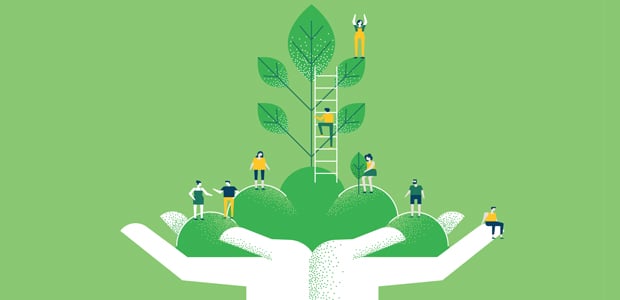
As we continue to work towards the government’s net zero emissions by 2050 commitment, businesses are naturally becoming increasingly aware of the need to be more eco-friendly. Other strategies, such as the Clean Growth Strategy, which aims to promote economic growth at the same time as decreasing emissions, mean that the focus on having a positive effect on the environment is now higher than ever.

The COVID-19 pandemic has drastically changed the way the world works, and with UK workers working at home for the foreseeable future, it can be difficult to connect the workforce together. To support workers, flexible office specialist, Workthere, has shared five tips on how you can stay connected to your colleagues, both in and out of the office.

Relationship marketing is significant for all businesses. It is the customers who keep your business running. SEO for big brands can get them the necessary clients. But that is one aspect and keeping them is quite another story. Customer loyalty for your business can go a long way in maintaining a strong relationship with the customers.

When starting a business, the implementation of a Customer Relationship Management or ‘CRM’ system may seem like an unnecessary task but committing to it from the outset will save time, cost and resources when compared to installation at a later date.

Businesses, and indeed stock markets, hate uncertainty. Sadly, there is no doubt that 2020 has been full of uncertainty at every stage. And whilst the main focus, for very obvious reasons, has been on Covid-19 and all the trading and other ramifications that that has brought with it, it has not been the only source of major disruption this year.

In the space of just two months, the UK’s data watchdog, the ICO has dished out nearly £40m in personal data breach fines to some of the country’s best-known companies – British Airways, Marriott International and Ticketmaster. Whisper it quietly but the ICO’s burst of penalty decisions, coming after significant delays, goes some way to countering mutterings that the regulator lacked the will to take on large and well-resourced opponents.
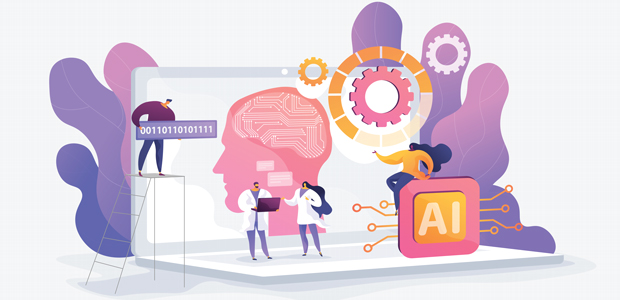
In 2019, Elon Musk made headlines by touting AI as a “fundamental risk to the existence of civilisation”. Ironically – for a man in his line of work – Mark Zuckerburg countered this argument, describing the warnings as ‘pretty irresponsible’.

Ask yourself, what would your 2020 have looked like without Zoom, Slack and Google Drive? If anything has stepped up and carried the load of remote working this year, it’s these tools.

It should come as no surprise that a strong environmental ethos within an organisation is a driving factor for many jobseekers when choosing where to apply for work. However, a recent report has detailed just how important sustainability aligned with social responsibility really is in terms of recruitment.

A staggering £4bn of investment went to UK tech companies in the first half of 2020. The British Business Bank’s recent Government report, together with recent surveys by leading investment platforms like Stakeholderz, show that despite the challenges posed this year, investors are continuing to back the UK’s high growth tech companies, with many indicating they will invest the same or more over the next year. Tech has long proved to be a lucrative and attractive sector for investors and entrepreneurs.

If you have just started a business, you would probably want to know how to get more customers from the get-go. It can be from knowing the way to success or even just having the welcoming body language that can either make or break a deal. You need to be careful as a salesperson – being nervous is easily visible.

The fourth in our six part series of articles harnesses our Associate and Partner network and focusses on Founders and the complexities of relationship between Founders and Co-Founders – for better or for worse. “It’s not you, it’s me,” how do you stop things going pear shaped at the top and what do you do if it does?

I love startup life. It has been my passion for many years now. In 2007, I launched my first company, Skimlinks from my apartment living room in Sydney. It grew to become a $50m-a-year revenue business, headquartered in London with offices in San Francisco and New York.
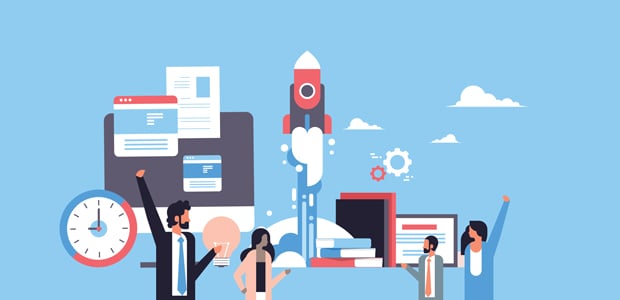
Kanban has been around as a methodology since the ’40s but is now getting more attention partly due to the increase in remote working and the popularity of agile and lean in every sector. While Kanban was originally applied to manufacturing, it can work in virtually any setting. It can be used as a stand-alone tool, or in conjunction with other agile management methods. Implementing it, however, can be easier said than done. Let’s take a look at the steps you need to take to implement a Kanban system in your organisation.

Nine months on from the first outbreak of Covid-19 here in the UK and the virus remains the most-talked about news item. Whether it’s radio shows discussing tiers or newspaper articles investigating possible PPE corruption, coronavirus continues to be the biggest story worldwide.
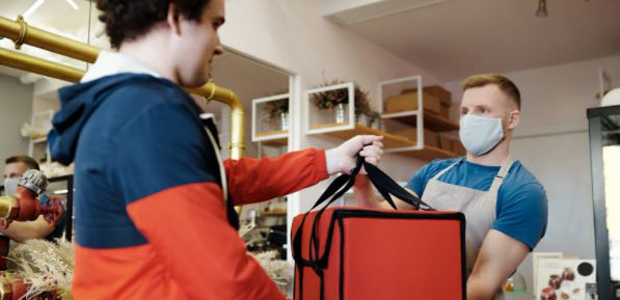
Back in January, it looked likely that employee share schemes would see reasonable growth across the country through 2020.
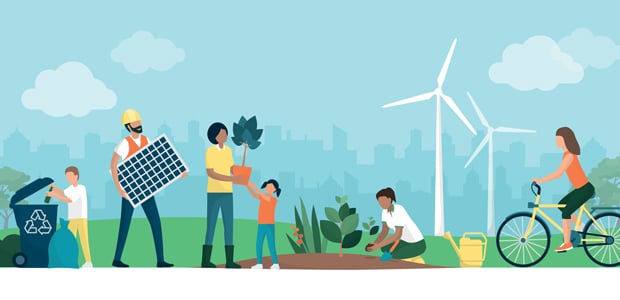
In the world of startups, scaling and sustainability are made to feel like opposites. You may have started with the best intentions, but as businesses grow it gets harder to ensure high ethical standards are met, particularly when faced with outdated industry practices and the pressure to keep down costs. The company values you wrote at your kitchen table start looking more like suggestions than rules to live by, and growth and greenness feel diametrically opposed. Sustainability just seems like a sacrifice you’ll have to make on the altar of profit and progress.

It seems that we’ve had so many turning points over the past few years, we’re running in circles. Landmark moments from Brexit to COVID-19 have completely shifted our personal lives, politics and the economy. Crises and moments of great change put us into reactive mode, and short-term fixes appear to be the only option. Looking for solutions which reap benefits and pay for themselves further down the line is a much bolder endeavour.