Features
When launching a health app, it is always about convincing other people to change the habits of a lifetime. When we began pitching Joint Academy to physiotherapists – top-level professionals who had always treated patients hands-on and face-to-face – they initially saw no reason why they would ever do physio remotely.

It’s difficult to catch news that is not connected to COVID-19 or the US presidential campaign at the moment. In light of COVID-19’s impact on the employment market, at the end of September the Prime Minister vowed that ‘radical changes’ were being introduced to the UK’s adult education system.

It’s tough as a founder on so many levels. As an investor in B2B startups, I’ve seen many of the same mistakes made – here are some thoughts on maybe trying to avoid some of the biggest pitfalls.

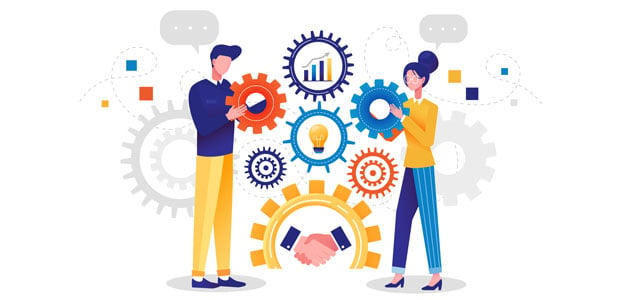
Teamwork involves people working together to complete a task or achieve a particular common goal. In any organisation, a team works to maximise effectiveness in the company and raise the morale, creativity, planning, efficiency, initiative as well as learning.

Many entrepreneurs’ daily focus has gone from doing business as usual to doing everything to fight for survival. It’s not easy to run a business during times of COVID-19, especially when you’re in an industry where you rely on people physically coming in. Mike Jordan, CEO of Summit Defence, has put together ten tips to make sure your retail business or restaurant is COVID-proof.

During lockdown in the UK, there was no question that SME businesses and local traders were hit hard. Around 80% of small and medium-sized enterprises in the UK have seen a revenue impact in the last few months, due to the impact of the COVID-19 crisis and the subsequent lockdown.
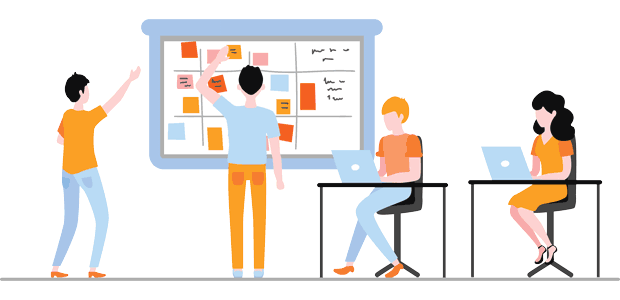
The first lesson to be drawn from 2020, and undoubtedly the biggest lesson, is that the future is unpredictable. All of us in our personal and business lives try to predict the future to some extent, as this is what enables us to lay plans for the future.
I’m Jamie Martin and I’m an experienced Sales Trainer. Even more importantly I’m a Business Millennial, born between 1980 and 1994 and I’m a thought leader.

The last few months have been the most challenging period for many UK business leaders. The coronavirus pandemic and the subsequent economic downturn have thrown the workplace out of kilter, requiring CEOs and senior leaders to be more present in every facet of the business.
Despite not feeling safe to socialise with anyone for the last six months, I’ve understood ‘community’ in new and wonderful ways.
Saturday 10th October is World Mental Health Day. It arrives during the strangest time we’ll ever likely face in our lives due to the COVID-19 pandemic. Each year’s theme is set by the World Federation for Mental Health, and this year’s is ‘mental health for all’. This encourages us to think of different demographics and communities of people and how they are faced with issues and problems in their lives.
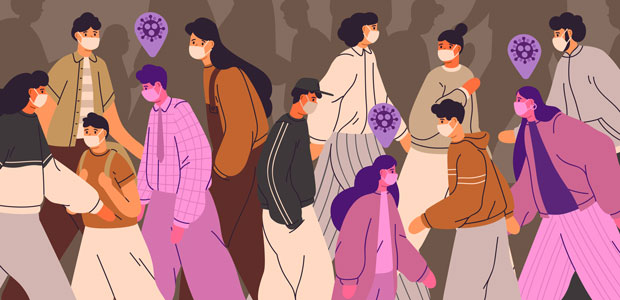
It baffles me that some 16,000 who had tested positive for COVID-19 did not have their information uploaded to the Test and Trace system because it was reliant on a 13-year-old legacy IT and, as it turns out, a complicated Excel sheet.
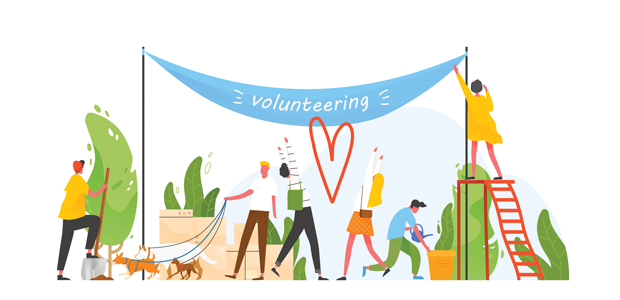
One of the significant demands resulting from the Coronavirus crisis of 2020 has been the need for new and novel ways for voluntary support to be facilitated. The ability for assistance to reach the most vulnerable or living in isolation or quarantine in safe ways is vital to saving lives and mitigating the spread of the pandemic.

As with every sector, the sports industry has been greatly affected by the COVID-19 pandemic. The after effects will no doubt continue to reverberate for some time to come even once we emerge from this global health crisis. However, sport is unique in that it plays a different role to many other activities in life; it provides a space for people to come together for rituals and traditions, often harking back for generations.
Collaboration involves people working together to attain a particular goal or to complete an allocated task. Some of the greatest ideas are born through this process. When you think about innovation, it is a collection of ideas either from the past or present.

Hopefully, it goes without saying that women are vital members of any team in business. The best ideas are conceptualised and executed by groups with a variety of backgrounds, skills and opinions – homogenised teams will lead to unexciting products.

In my previous blog, I considered the steps necessary for business leaders to close the gap between rhetoric and reality on racial equity at work. This time, I wanted insight on what is actually happening on the frontline. I sat down with award-winning business strategist and founder of The Black British Business Awards, Melanie Eusebe. She has risen to the upper- echelons of the corporate world, and in our broad conversation offered her perspectives on corporate responsibility, solidarity, and how we sustain the current momentum.
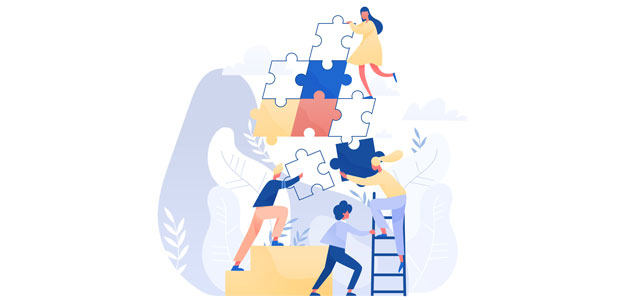
Opening a new business during a period of economic and social crisis, such as the current pandemic, may seem like a risky venture and for certain sectors this may certainly be true. However, for those looking to launch a new tech project, particularly one that supports remote working or artificial intelligence, then there may have never been a better opportunity.
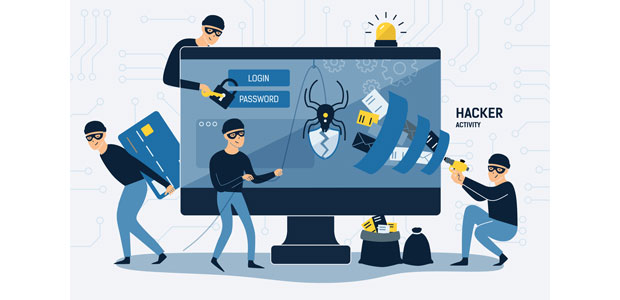
Some people are doing very well out of the pandemic – the fraudsters. That’s because the chaos COVID-19 has caused makes it far easier for them to operate. Have you increasingly been asked to provide personal data to strangers since March? Have you changed any of your habits? Gordon Ramsey himself couldn’t have created a more perfect recipe for rising fraud. How can you make yourself as safe as possible and if you have been a victim, what should you do next?
With societies across the globe still some way off returning to the ‘old normal’, many businesses are set to continue suffering from the impacts of COVID-19.