Features
Ask any established business leader for the secrets of their company’s success, and it is almost certain that having inspirational role models – be they other entrepreneurs or businesses – would have played a key role in their growth.
Do you ever find yourself alarmed by the stark contrast in ecological attitudes between friends, family and colleagues? For many, net zero targets are a top priority. Others’ mindsets vary, with some making small adjustments to their way of life, and some refusing any personal responsibility.
Deadlock (a lack of unanimity between co-directors/co-shareholders) is a situation to be avoided by all SMEs. Unfortunately, it is all too common, particularly in private, owner-controlled businesses and during times of economic crisis such as has been precipitated by the COVID-19 pandemic.

We all have a personal favourite when it comes to a pet, some are dog people while others love cats.
Startups Magazine caught up with Tarryn Gorre, Co-Founder and CEO of Kafoodle.
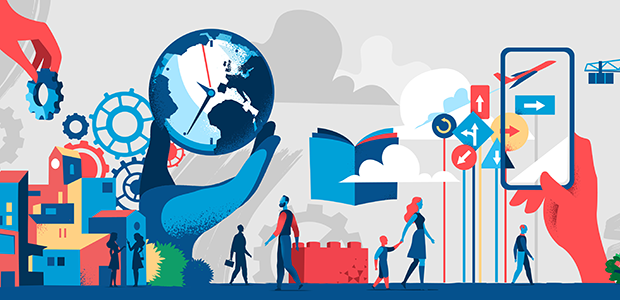
As a digital layer continues to be applied across everything we do, the world we are living in will seem to get smaller. Boundaries and borders and even language hurdles will be broken down via this new digital world and time zones and currencies will become less important.
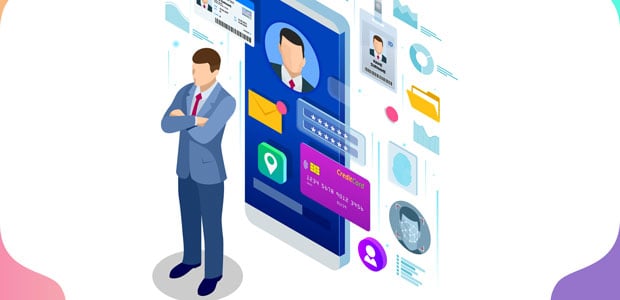
Customer data decays at an alarming rate (approximately 37.5% every year), with thousands of people moving home or passing away daily.
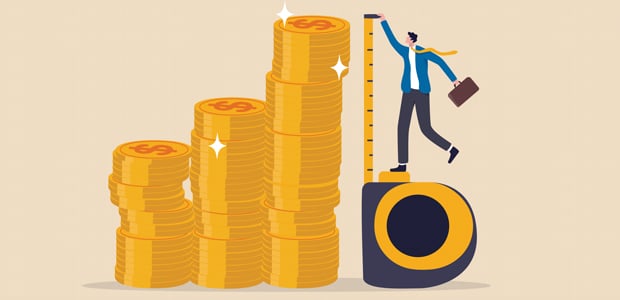
Starting a business is not always easy. But scaling a business, any business, often brings many more challenges than actually starting one. A typical small business is quite simple, bat as that business grows it becomes more complex and has more moving parts which become ever more complicated to coordinate.
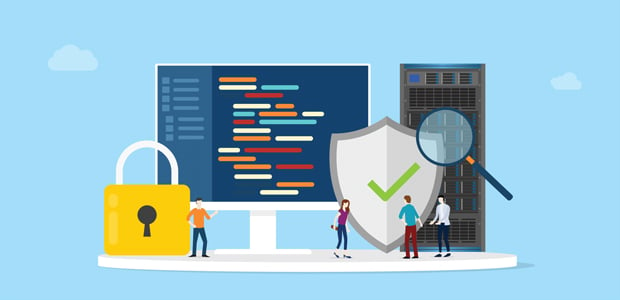
Technology never stands still. Anyone running a company has to accept this fundamental truth if they want to stay on top of cyber threats and run their business as securely as possible. New products emerge, workflows develop, and habits evolve along with them.

Over the last 10 years we’ve gone from being a £500 startup with myself and my wife trading from our spare bedroom at home, to a business worth hundreds of millions, employing nearly a hundred people globally and having one of the best selling chocolate bars in the UK.
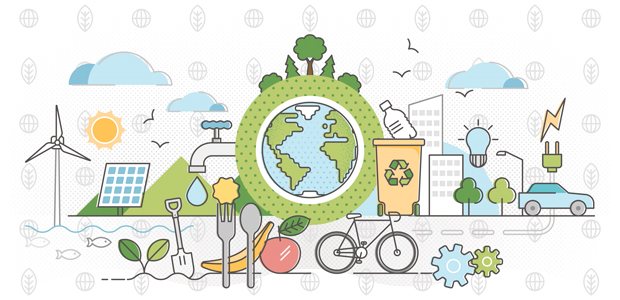
It used to be that the classier, bulkier and more luxurious the packaging, the more appealing the brand. Thankfully, consumer mindset is changing and adapting to help protect the planet and reduce extreme amounts of waste.
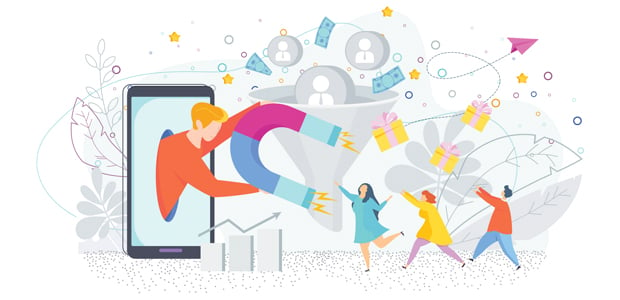
We’ve all heard about the ‘Great Resignation’: a mass exodus of employees worldwide, caused by a rapidly changing working landscape and general pandemic fatigue. In the UK, almost a quarter of workers say that they are actively planning on quitting their jobs in the next few months, while job vacancies are at the highest level since records began.
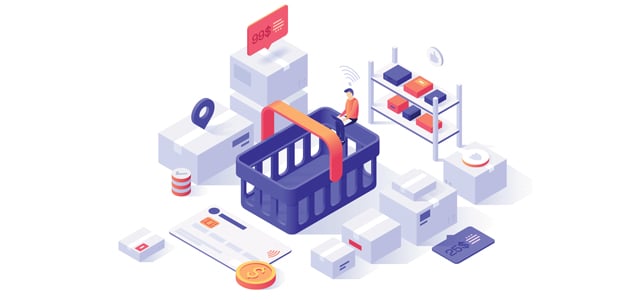
It is no secret that the global pandemic has shifted consumer spending habits, with more and more people opting to shop online. What is different about this shift however, is where people are buying from. With the number of social media platforms available today, it should come as no surprise that there has been an increase in purchasing directly from these sites. According to research, social commerce sales will continue to rise by 35.8% by the end of 2021. Despite this, many businesses have failed to recognise how impactful price optimisation can be on social commerce, and if used correctly, how it can help retailers capitalise on the increasing popularity of social commerce.

As we marked National Work Life Week last month, it became clear that work-life balance is a value not everyone shares equally. According to a new poll carried out by the charity Working Families, 41% of working mothers say being a parent is holding them back from promotion at work – and 50% of people with caring responsibilities (such as looking after an ill or elderly relative) feel the same way.
Consumer technology products, such as laptops, are increasingly difficult to differentiate. Operating systems aside, most laptops are of similar size and shape and offer broadly the same functionality. Clamshell laptops typically combine a display, a keyboard, and a trackpad – with few aspects that really distinguish models from competitors.
There’s something about plastic that makes us forget it’s real money, and spend without giving a hoot for the consequences — hence the age-old caution against putting it all on the credit card.

The climate crisis and food crisis go hand in hand. The United Nations Food and Agriculture Organisation (FAO) estimates that we will have to increase food production by 70% by 2050 if we want to feed the expected 10 billion mouths.
The life of an entrepreneur, especially in the initial stages of founding and growing a new company, is often marked by long, gruelling hours spent working alone. Though being your own boss is one of the main attractions to starting your own business, it is an inherently risky endeavour that can leave you making critical decisions alone, and ultimately shouldering a lot of responsibility.
This week, Startups Magazine spoke to Chris Sims, Managing Director, SoHo (Single/Small Office, Home Office) and Marketing at BT.
With so many businesses making a positive social impact on the world around us, Startups Magazine rounds up its top 10 Tech4Good startups of 2021.