Features

The last couple of years have been tough for businesses. But those that have been able to demonstrate resilience have been best placed to survive, and in many cases even grow, despite the challenging circumstances. Here Alison Watson, Head of the School of Leadership and Management at Arden University, explores how SMEs can ensure resilience drives them towards success throughout 2022.

Textbooks can only give the bare bones of a successful business strategy. Whether you’re a global corporate or solo freelancer building a brand, accounting, budgets and forecasts will make or break a venture but not faster than a deficit of passion to make an idea a reality. Above all else, it’s the execution that separates what’s ‘just’ a good idea and the startups which will become category winners.

The global pandemic in 2020 has caused a global shift to remote and hybrid work as well as a transition to online or cloud-based solutions, forcing companies to quickly pivot the way they operate without the luxury of careful preparation. Where most companies saw crises, cybercriminals saw opportunities and cybersecurity startups saw growth potentials.

Operating a competitive business in today’s world is seemingly more complicated than ever. New processes are constantly being developed and integrated, hourly insights and analytics are available for analysis, and even your current method of keeping track of stock is becoming obsolete. But how effective are all these new methods and processes?

If you are self-employed or working in your own startup and looking to purchase a home, the mortgage application process will be the same as it would be for anyone else. Like any application, mortgage providers will look at your credit score, your level of debt, any assets you may have and your income.
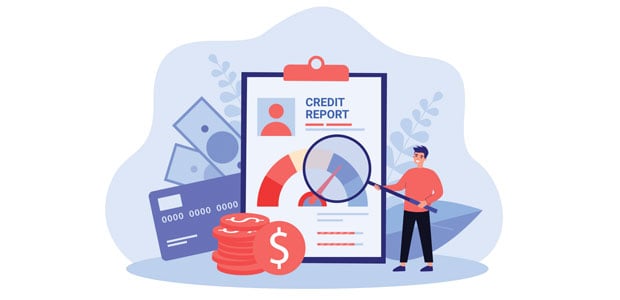
Having a good credit rating can influence multiple parts of your adult life, affecting your ability to get a credit card, take out a mortgage or even, in some cases, getting a mobile phone contract. In order to get a good credit rating, it is essential to start building credit as early as possible.

There is nothing easy about creating and sustaining any new business, let alone one that’s offering something genuinely new. That is why 90% of startups fail and more than 20% end up folding within the first year.

In 2021, we saw organisations across every sector throw themselves into recovery and growth, fearlessly adapting to the challenges facing them and investing in the tools and skills needed to futureproof their businesses.

What can we expect to see when it comes to communication and travel trends in 2022? Following the huge shift across all aspects of our lives over the past two years, here’s five trends to keep an eye out for this year.

Despite the growth and prominence of mobile messengers and office chat apps, email is still an essential part of daily, business life.

Having consistent brand imaging helps set the foundations for any company. Distinct branding, colours, and logos build and maintain a business’ reputation.

It’s Valentine’s season: a time when many are keen to put their best foot forward and are looking to impress.

As a business owner, you can never underestimate the importance and value of goal setting. Goals are the motivating force behind successful businesses of all sizes. Without them, you can’t get from where you are now to where you want to be, so they are crucial for keeping your company moving forwards.

“One of the huge mistakes people make is that they try to force an interest on themselves. You don’t choose your passions; your passions choose you.” These are stirring words from Jeff Bezos, one of the richest and most successful entrepreneurs in the world. And although I don’t doubt that passion was a big part of his decision to build the Amazon brand or become one of the few people to travel beyond Earth’s atmosphere – I don’t consider passion as the main driver in achieving success.

The remote working lifestyle has become second nature for people worldwide in the last few years. Prior to the widespread working from home mandates in March 2020, only around 1.5% of jobs in the United States offered remote work as an option – by the end of 2021, this had risen to 17%. How we work has evolved dramatically, with more and more people opting to liberate themselves from the traditional nine to five routine.

‘Flexible working’ has moved from buzzword to fundamental for SMEs in 2022. We have seen that the physical office still holds a crucial role in facilitating this norm.

The ever-increasing evolution of technology over the last several years has made it more possible than ever for companies to transition to a remote workforce. While it may have been daunting at first, many businesses are beginning to see the cost-effective and positive environmental benefits of a digital workspace, so it appears that this setup is here to stay.

During the summer over 400,000 people found new roles within the UK. Whether it is taking advantage of the booming job market and moving on into higher positions, making a career switch following the pandemic, or simply leaving the workforce, millions are changing jobs or have plans to over the coming months.

The CES show in Las Vegas was back this year, after a year of being virtual due to the pandemic and whilst the footfall may have been down on previous years the show certainly did not disappoint.

We all want to feel safe in the workplace, both physically and mentally. Whether you manage a site or own your own business, both the safety and welfare of your team is paramount. This article will explore some of the ways you can ensure that your workplace is an inviting space.