Features

The spotlight is being shone on the sustainability behaviours of individuals, companies and countries all over the world. The agendas and policies of our towns and cities are not immune to such scrutiny, especially capital cities whose presence on the international stage draws particular attention.
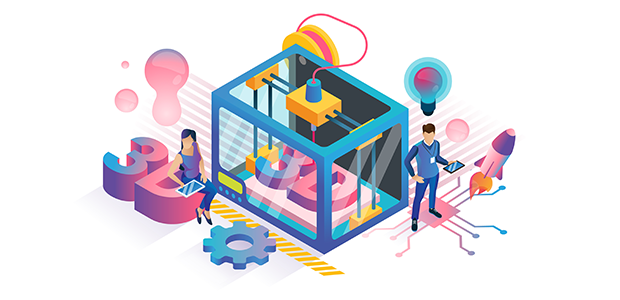
From customised prosthetics and implants to detailed anatomical models and even tissue and organ fabrication, the market for 3D printing in healthcare is growing rapidly and startups are playing a huge part.
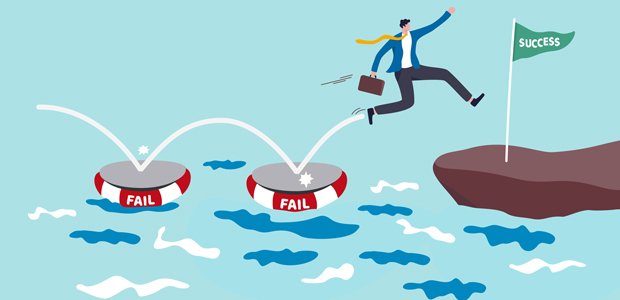
Launching a new business is fraught with possible pitfalls, and as an entrepreneur it can often feel like one false move can bring the entire process crashing down. The reality is that business is full of inherent risks, and most business owners have encountered their fair share of failures and setbacks along the way.
You might be under the impression that the type of management style you choose to run your business with isn’t important. After all, it doesn’t matter how things get done as long as they get done, right? Wrong! Completely wrong.
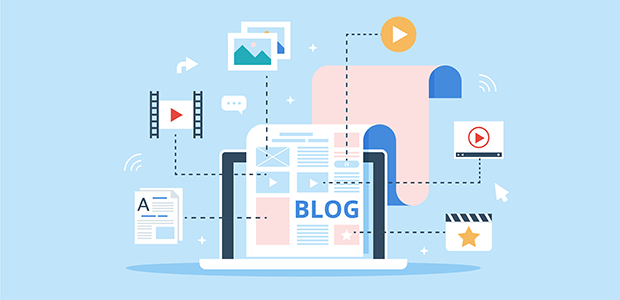
Gone are the days of simple case studies presented with before and after stats, and just a quote from a client. Digital marketing has improved in leaps and bounds, and so have the ways case studies are created and presented to prospects in order to convert them into customers.

Establishing your startup online is an exciting time. You’re proud of what you’ve accomplished and you want to share your business with the world. However, sometimes the reality of doing so can feel a little bit overwhelming – particularly if you’re tech-savvy.
Having decided whether to start your entrepreneurial journey as a sole founder or as a co-founder you will then be able to properly develop your idea and your business. Whatever your business plans and structure, and whatever your ultimate aims are with regard to scaling your business, there will always be many different tasks to be attended to and the smaller the business and the fewer the resources the harder this can be.
When you’re starting a new business, there are many things to think about. You have to create a product that people want, market it effectively, and establish partnerships with other companies. But one thing that’s often overlooked is the importance of cybersecurity.
The BBC recently reported that, as of the end of November 2021, more than six million people were waiting for routine operations in the UK. This was the first time this figure had been hit in the history of the NHS and demonstrated the scale of the backlog in routine operations caused by the COVID-19 health crisis and its knock-on effect on the wellbeing of the nation.
A constant challenge for IT leaders is ensuring they see an appropriate return on investment from their Software Asset Management (SAM) programme. So, what can businesses do to ensure their SAM spend is providing adequate value as a result of improved decision making, cost savings and software licence compliance? Furthermore, when is it best to outsource SAM and licensing tasks, and what tasks should be maintained by automated SAM technology or an in-house team?
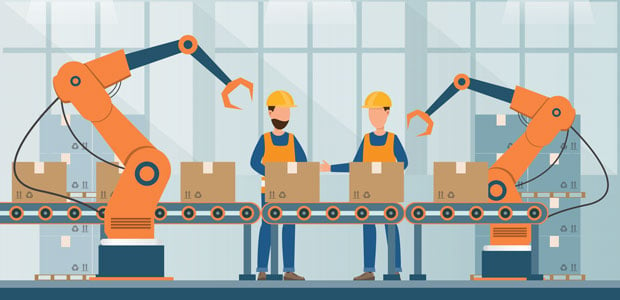
Starting a business can be difficult at the best of times, but creating a hardware product often adds a level of difficulty in, especially when it comes to manufacturing this product. There is a lot riding on the stage when you take your product from design to production and it can be one of the most difficult transitions.

Talent is a vital resource for the success of any business. Today, in any successful growth strategy, technology must be at the forefront. However, the reality is, attracting, developing and retaining talent that can support this growth is one the biggest issues facing any business due to the simple fact that technology is always evolving and there will always be a gap between demand for the latest technology and the skills to fulfill it.

The well-being of employees is crucial. Improper care for staff can impact their performance and can have harmful effects within a company.

Whether the offering of your startup is an eco-friendly product or range of products or whether, as a new business, you are all too well-aware that potential customers will be expecting your eco credentials to be sound, it might be that you feel baffled and confused by all the eco-friendly and environmental terminology you see being bandied about. And you are not alone.

All across Britain, the self-starter movement is gathering momentum with people starting side hustles, their own small business or turning their passion project into an income. Research done by OnePoll in collaboration with Mettle last year found that passion (35%), ambition (34%) and hobbies (33%) are the most popular reasons for starting a side hustle. In fact, almost two thirds (64%) say they regret not starting their side hustle sooner.

Welcome to a new series of articles aimed at helping entrepreneurs and founders to start and scale a business. In this series we will be going back to basics and examining some of the questions and areas of concern that many founders or would be founders have. Whilst ‘basic’, nevertheless these topics can be fundamental to setting an early-stage business on the right track for success.
An understandable lack of confidence has gripped most sectors across markets globally over the past two years, given the combined weight of the Covid-19 pandemic, and the pressure this applied to an already-strained global supply chain. More than ever, businesses have been challenged to perform even their critical operations, in the face of rising costs and uncertain reliability of their modes of supply.
When starting a business, the culture you want to create is likely to be one of the first things you talk about; it’s an essential ingredient in building a team of people who hold the same principles and will work to achieve common goals. But it’s all too easy to let that culture slip down the priority list as your business grows. Kristian Gjerding, CEO of CellPoint Digital, explains why it should always be top of the agenda.

The last couple of years have been tough for businesses. But those that have been able to demonstrate resilience have been best placed to survive, and in many cases even grow, despite the challenging circumstances. Here Alison Watson, Head of the School of Leadership and Management at Arden University, explores how SMEs can ensure resilience drives them towards success throughout 2022.

The environment and sustainability are hot topics; after last year’s COP26, these issues have been supercharged to the front of government and almost every business agenda. Employees, customers and the supply chain now expect companies they work for and with to consider their impact on the environment. So, can the way we use IT and technology in general help businesses become more environmentally friendly? The answer is a resounding ‘yes’.