Features

There can be little doubt that the last few years have been among the liveliest in online retail on record. While the sector has seen years of relentless incremental growth, several factors converged in 2020 to instigate a boom in eCommerce, and a quickening of its growth in share of all sales.

Every now and again, a complex area of law is thrust into the limelight by the circumstances of a particularly high-profile case.

COVID-19 has fundamentally changed the way restaurants operate, accelerating adoption of online ordering and delivery technology like never before as dining rooms closed and customers spent more time at home.

When you run a business, you aim to maximise the profits from your operations. To achieve this, you can consider automation to unlock the benefits of the constant technological advancements taking place. In this guide, we show you how your business can reap the benefits of automation.

Global crises like the current Corona and Ukraine crisis throw us into an ocean of uncertainty. And it isn’t over yet. We are probably facing a whole decade of drastic change, uncertainty, and upheaval.
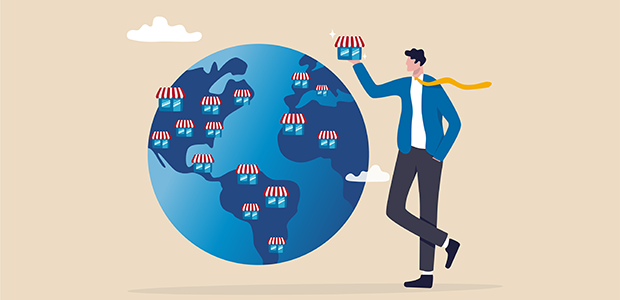
Young consumers around the world adore the serendipitous nature of online shopping today. They can discover exciting new brands, great prices and wide choices when they’re browsing beyond familiar, domestic websites for fashion, health and beauty, and homewares.

Nothing is set in stone. With signs that many industries are starting to bounce back after the COVID-19 pandemic, it can still be tricky to predict what lies ahead and what can be done to future-proof businesses for a successful 2022 and beyond.

There’s no doubt about it: today’s economy and sociopolitical outlook are impacting the ability of start-ups to fundraise. Early data during the pandemic showed a 50% drop in funding compared to the same weeks in 2019, and while there was significant uptick in venture capital in 2020, early stage companies still suffered.

Increased digitalisation and the changes to the labour market brought about by the Covid-19 pandemic mean that working from anywhere has not only become possible but also acceptable to an increasing number of people. This is therefore changing the way we work, as well as how we buy, sell and share goods and services.

What do you do if your business is rapidly growing, and work is unrelenting? It’s easy, right? You focus more, you burn the candle at both ends, you work harder and longer.
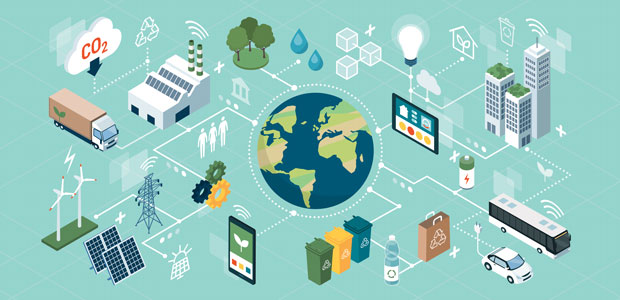
In the wake of the COVID-19 pandemic, nearly two billion frontline workers across the world have played a vital role in supporting our communities and economies, all while battling various health risks, supply chain problems, and labour shortages.

Logistics is a fast-growing sector of activity, and mobility is essential to our way of life. At the same time, the supply chain sector is the most significant contributor to environmental pollution. It is the first sector in the emission of greenhouse gases and the first consumer of petroleum products.

It is fair to say that the UK’s tech industry is currently experiencing something of a renaissance period. The sector is booming, and shrewd investors from right across the globe are attracted by the technological innovations that are being made in the country.
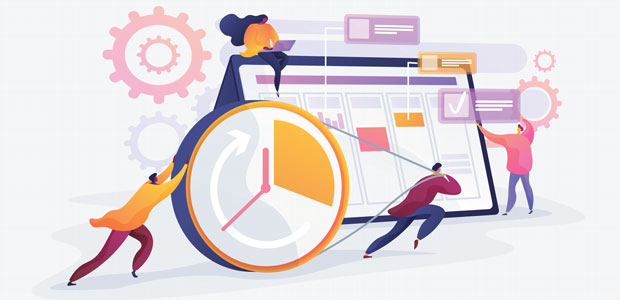
Starting a new business is an exciting and empowering prospect, but it’s not without significant challenges along the way. In fact, many entrepreneurs struggle to navigate the hurdles of starting a company, with around 20% of new businesses failing within their first two years. Part of giving your enterprise the best chance of avoiding this trend is to embrace the right tools.

If 2020 was the year that the world was forced to dip its toes into flexible working patterns and 2021 was the year that this became standard practice, what will 2022 bring? Flexible work looks to have cemented itself as the new ‘business as usual’, with over two-thirds of UK businesses now reportedly offering employees remote working options, but the changes haven’t stopped there. As business leaders look to satisfy the world’s growing appetite for greater flexibility and freedom, many are now not only reconsidering where their team can work, but also when.

As COP26 came to a close at the end of 2021, businesses across the globe were given a new sense of urgency to meet climate targets and achieve Net Zero. But while there is now undoubtable agreement that businesses must take on more accountability to reduce their emissions, the question within an organisation often surrounds where this accountability falls.

It has been a month since a full-scale war began in Ukraine. On February 24th people were awakened by the sounds of heavy missile blasts hitting airports, military bases, and other strategic targets. People, as well as businesses, were forced to face circumstances they’d never had before. “You don’t know what you don’t know,” said Aleksandr Volodarsky, CEO of a Ukrainian IT-company Lemon.io. “There are so many things you can’t prepare for when you have never been through a war.”

Running a successful business requires a lot of hard work. However, in the midst of all the busyness, it can be easy to overlook the importance of daily habits that keep both you and your business healthy. In this article, we will be sharing the top 5 daily habits you should incorporate into your routine to find success in your professional life.

With widespread COVID-19-related restrictions being lifted from countries all around the world, many workforces have had to accept that working in a hybrid environment is something that can’t be overlooked.
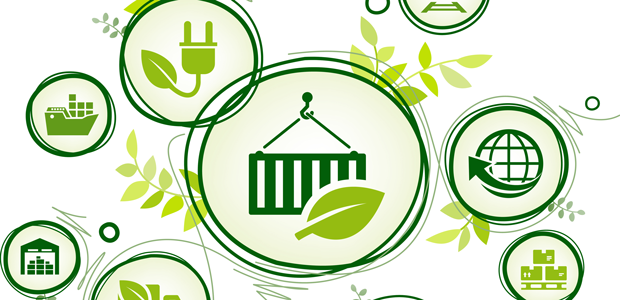
Increasing numbers of businesses are choosing to make sustainability a top priority. However, many are deploying deceptive tactics which amount to nothing more than a façade of sustainability.