Features

Brand identity and company culture have traditionally been the remit of entirely separate departments. While marketing would take on the brand identity aspect, company culture is more likely to be defined by HR.
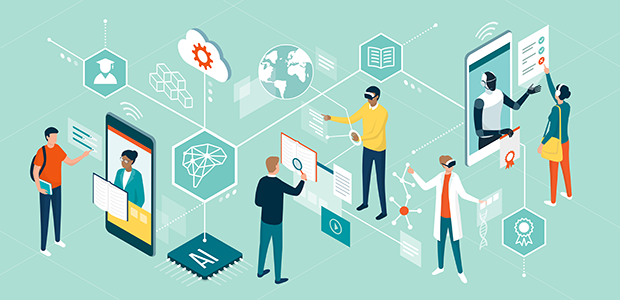
A quick search online for terms like ‘customer experience’ and ‘business’ swiftly and overwhelming paint a picture of the need for artificial intelligence (AI), analytics and huge volumes of customer data to deliver a hyper-personalised customer experience.

Earlier this month I visited Qasr Al Farid, the tallest of the tombs at the ancient site of Hegra in northwest Saudi Arabia. Two thousand years ago, engineers with extraordinary vision, who were part of a thriving ancient culture, carved it out of the sandstone rockface.
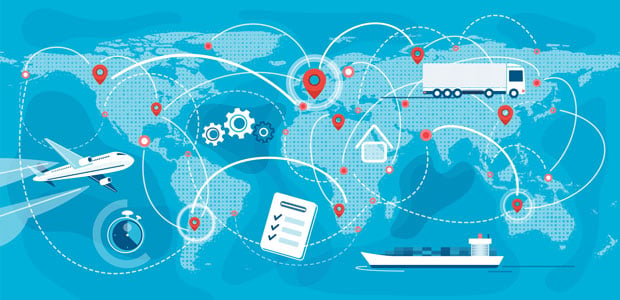
Regardless of how much we, as a society, are able to utilise and implement technologies into business, global supply chains will always be dependent on the ways in which people interact with one another.
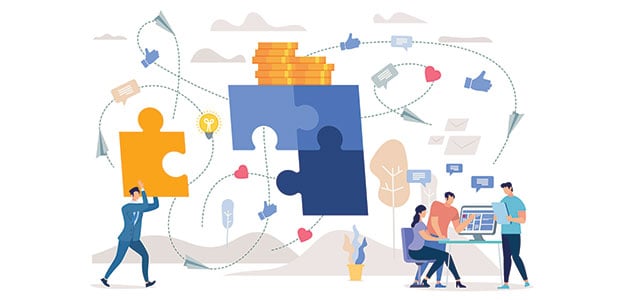
While the ability to connect and speak with others is important in just about any part of business, the power of networking is especially essential when it comes to meeting with venture capitalists and new networks when you are trying to get your product or idea off the ground. There is a lot of competition, and you never know when someone will have a similar idea, so you need to make a great impression with potential investors right off the bat so you can get your business moving.
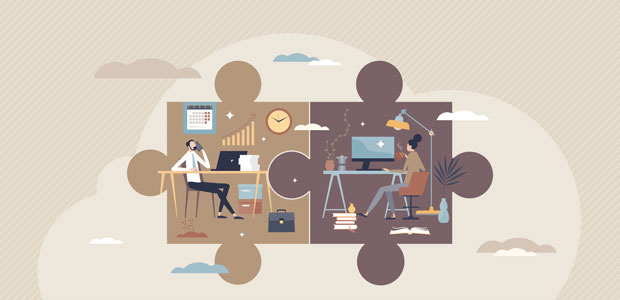
It’s an exciting time to be in unified comms technology. The world has never been so diverse in terms of how people connect with each other, and this has affected how we all live, work and play. We have never been so together, and yet in many ways we have never been so fragmented, nor needed to multi-task quite so effectively, and this needs a carefully managed response.

As the economy opens up in the aftermath of the pandemic, many SMEs will be looking to trusted accountants and lawyers to ensure they take appropriate steps to enhance their businesses as they start to expand. While many advisers prove themselves to be a very effective asset, poor advice from a trusted source could cause significant financial loss for SMEs, and can constitute professional negligence under the law. Some SMEs will be in the fortunate position of never needing to bring a claim against one of their professional advisors. But for those that do, that process may be an unfamiliar one.
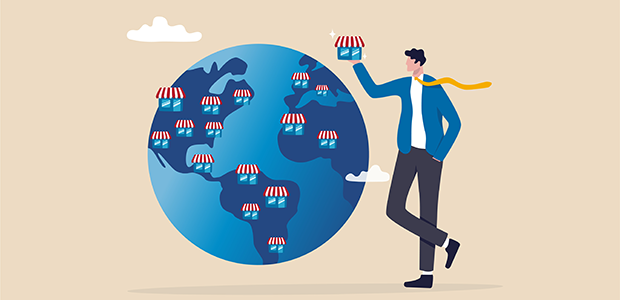
Young consumers around the world adore the serendipitous nature of online shopping today. They can discover exciting new brands, great prices and wide choices when they’re browsing beyond familiar, domestic websites for fashion, health and beauty, and homewares.
Nothing is set in stone. With signs that many industries are starting to bounce back after the COVID-19 pandemic, it can still be tricky to predict what lies ahead and what can be done to future-proof businesses for a successful 2022 and beyond.

There’s no doubt about it: today’s economy and sociopolitical outlook are impacting the ability of start-ups to fundraise. Early data during the pandemic showed a 50% drop in funding compared to the same weeks in 2019, and while there was significant uptick in venture capital in 2020, early stage companies still suffered.
The Challenger disaster. A part of the shuttle known as the O-ring was faulty. NASA employees knew about the fault before the disaster, but they either ignored the problem or were disregarded when they tried to alert higher-ups about the issue. Single loop learning had failed NASA and it ended in disaster.
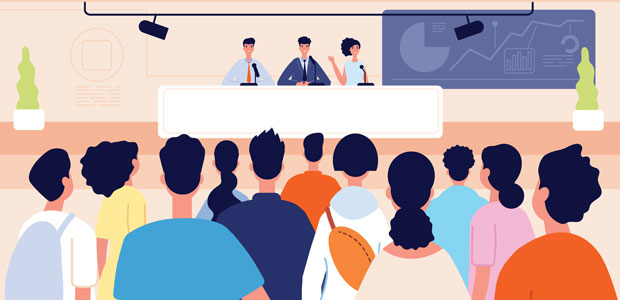
As the economy springs back into action following two turbulent years, businesses are considering how to recover after the pandemic and maximise their commercial success. The role that events can play in this post-pandemic recovery should not be overlooked.

While individual multinational corporations may have a disproportionately negative impact on the environment, the cumulative effect of small and medium-sized enterprises (SMEs) also presents both a huge problem and an excellent opportunity for climate action. According to a recent study by the British Business Bank, SMEs are responsible for nearly 50% of all business-driven greenhouse gas emissions in the UK largely, in part, due to the use of inefficient internal and supply chain processes. Despite this, 76% of SMEs are yet to implement a decarbonisation strategy and according to another recent study by O2 and the British Chamber of Commerce (BCC), only one in ten are even measuring their carbon emissions.
When the founder of an e-commerce company is looking to sell their business in the mid to long run, there are a few things they need to do first to make sure that they get the valuation they want and ensure a smooth process.
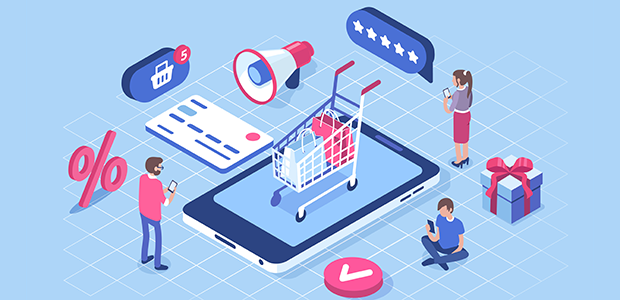
There can be little doubt that the last few years have been among the liveliest in online retail on record. While the sector has seen years of relentless incremental growth, several factors converged in 2020 to instigate a boom in eCommerce, and a quickening of its growth in share of all sales.

Every now and again, a complex area of law is thrust into the limelight by the circumstances of a particularly high-profile case.

COVID-19 has fundamentally changed the way restaurants operate, accelerating adoption of online ordering and delivery technology like never before as dining rooms closed and customers spent more time at home.

When you run a business, you aim to maximise the profits from your operations. To achieve this, you can consider automation to unlock the benefits of the constant technological advancements taking place. In this guide, we show you how your business can reap the benefits of automation.
Global crises like the current Corona and Ukraine crisis throw us into an ocean of uncertainty. And it isn’t over yet. We are probably facing a whole decade of drastic change, uncertainty, and upheaval.

Increased digitalisation and the changes to the labour market brought about by the Covid-19 pandemic mean that working from anywhere has not only become possible but also acceptable to an increasing number of people. This is therefore changing the way we work, as well as how we buy, sell and share goods and services.