Features

Conflicts are inevitable, even in the most engaged workplaces. Regardless of the source of the conflict, if they are left unresolved, conflicts can quickly impact employee morale and productivity.

Starting a business is a rewarding yet challenging endeavour that requires hard work, dedication and, in many cases, a lot of luck.

When creating a digital experience centred on health and fitness, it’s vital to provide the best user experience possible – one that fits into our day-to-day lives. Work, families and social lives must all be factored in, along with the ways people choose to exercise, whether that be in the gym, at home, or outdoors on a run.
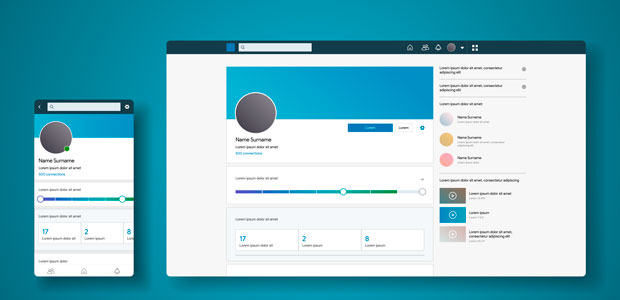
LinkedIn now has almost 740 million members and over 55 million registered companies. 40% of these users access LinkedIn on a daily basis, which helps the site achieve 1 billion interactions each month. However, most users only spend 17 minutes a month on the platform.
The vast majority of London tech companies still have hardly any female or BIPOC representation at board level, according to new research released today by Tech London Advocates.

Environmental, social and governance (ESG) is hot on the agenda right now. Savvy startups are putting socially conscious activities at the centre of their work as more and more investors have ESG as a priority.

Automotive giants like Ford, Porsche, BMW, Mercedes and many more are announcing their move to battery electric vehicles (BEVs) often referred to as EVs. The UK government is also signalling its intent to encourage BEVs by promising £450m to be spent on boosting public charging stations by 2030 to reach their 300,000 target.
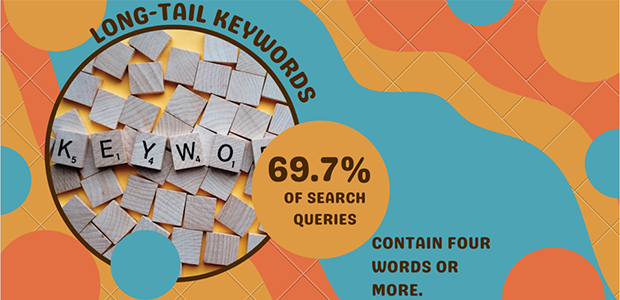
Did you know that Google uses over 200 factors to rank websites? This creates a maze of possibilities and penalties for startup businesses trying to drive organic search traffic.

Whether you’re selling remote work software or industrial supplies, a well-designed site is essential to driving new leads and sales. But any good site is being updated constantly, how do you know yours is the best it can be?

At OggaDoon we love technology, streamlining processes to be more efficient. However, as times change, one of our main worries is seeing how some long-standing jobs are becoming redundant.

Warehousing is an essential activity that promotes the orderly storage and distribution of finished products inside factories or even in places intended for this purpose and is crucial in the supply chain process. Successfully managing them is vital if you want your business to thrive.

The number of people finding it hard to keep up with bills and credit commitments has doubled since the start of the pandemic, leaving many with an unsustainable burden of debt.

A healthy workplace culture is an important part of any successful business. A positive workplace culture not only improves teamwork and raises morale, but it also helps everyone to be more productive and efficient.

Worried about cyber warfare? You’re not alone. With the threat of imminent attack from overseas malware and state-sponsored hacks increasing, the National Cyber Security Centre (NCSC) is calling for UK businesses of all sizes to “strengthen their cyber resilience” in response to the ongoing situation in Ukraine. But what does cyber resilience mean, and what actionable steps can businesses take to bolster their defences?

When you’re recruiting, it’s likely many candidates won’t fit the bill on paper, but they might be a great candidate for the job, showcasing a range of transferable skills that suit what you are looking for.

Successful companies are built on happy customers. A satisfied customer not only provides the best marketing opportunity for your company, but your biggest informants can also guide you on ways to improve and evolve.

Accessibility fails are not just an eyesore for designers. It’s not even about the underperforming metrics. First and foremost, it’s about enabling everyone to experience digital products. Adam Fard, CEO of data-driven UX design agency Adam Fard Studio discusses accessibility through the eyes of impaired users.

Over the past year, tech startups across the UK and Ireland have raced ahead of the rest of Europe, making up 38% of the combined valuation of European unicorns 2021. The UK & Ireland combined generated the most valuable companies with an impressive combined unicorn valuation of EUR 138 bn -the highest percentage across the continent.

This week marks two years since Boris Johnson instructed us to work from home on 23rd March 2020.

In an ever-expanding e-commerce world, it can be a challenge to get your products in front of the right customers at the right time, according to Dr Pat Violaris, Managing Director at OneTimePIM.