Features

Increased digitalisation and the changes to the labour market brought about by the Covid-19 pandemic mean that working from anywhere has not only become possible but also acceptable to an increasing number of people. This is therefore changing the way we work, as well as how we buy, sell and share goods and services.

What do you do if your business is rapidly growing, and work is unrelenting? It’s easy, right? You focus more, you burn the candle at both ends, you work harder and longer.
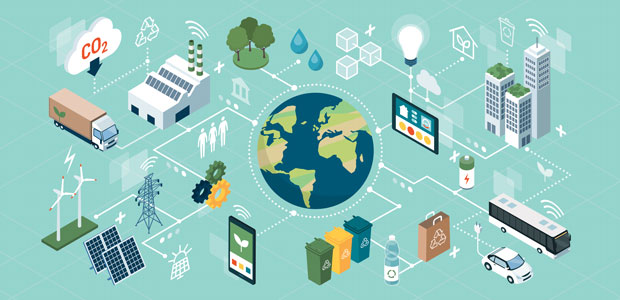
In the wake of the COVID-19 pandemic, nearly two billion frontline workers across the world have played a vital role in supporting our communities and economies, all while battling various health risks, supply chain problems, and labour shortages.

It is fair to say that the UK’s tech industry is currently experiencing something of a renaissance period. The sector is booming, and shrewd investors from right across the globe are attracted by the technological innovations that are being made in the country.
Starting a new business is an exciting and empowering prospect, but it’s not without significant challenges along the way. In fact, many entrepreneurs struggle to navigate the hurdles of starting a company, with around 20% of new businesses failing within their first two years. Part of giving your enterprise the best chance of avoiding this trend is to embrace the right tools.

If 2020 was the year that the world was forced to dip its toes into flexible working patterns and 2021 was the year that this became standard practice, what will 2022 bring? Flexible work looks to have cemented itself as the new ‘business as usual’, with over two-thirds of UK businesses now reportedly offering employees remote working options, but the changes haven’t stopped there. As business leaders look to satisfy the world’s growing appetite for greater flexibility and freedom, many are now not only reconsidering where their team can work, but also when.
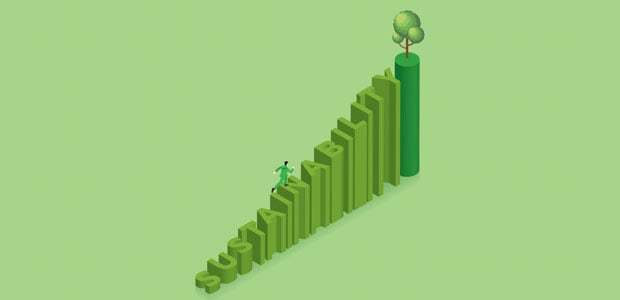
As COP26 came to a close at the end of 2021, businesses across the globe were given a new sense of urgency to meet climate targets and achieve Net Zero. But while there is now undoubtable agreement that businesses must take on more accountability to reduce their emissions, the question within an organisation often surrounds where this accountability falls.

It has been a month since a full-scale war began in Ukraine. On February 24th people were awakened by the sounds of heavy missile blasts hitting airports, military bases, and other strategic targets. People, as well as businesses, were forced to face circumstances they’d never had before. “You don’t know what you don’t know,” said Aleksandr Volodarsky, CEO of a Ukrainian IT-company Lemon.io. “There are so many things you can’t prepare for when you have never been through a war.”
Running a successful business requires a lot of hard work. However, in the midst of all the busyness, it can be easy to overlook the importance of daily habits that keep both you and your business healthy. In this article, we will be sharing the top 5 daily habits you should incorporate into your routine to find success in your professional life.

Startup owners need to juggle multiple responsibilities when launching and scaling a venture. They manage everything from product development and finance to HR and marketing. However, as you work on your firm’s growth trajectory, it’s only by having a solid team of trusted, specialised professionals that you can achieve your goals.

Sometimes in business, and indeed in life itself, it is very easy to miss the obvious or, put another way, not to realise that some very basic truths or something that should be expected is not always immediately realised. These points are easy to see with more experience or with the benefit of hindsight, but for those starting out in business that is not always easy.

With widespread COVID-19-related restrictions being lifted from countries all around the world, many workforces have had to accept that working in a hybrid environment is something that can’t be overlooked.

Increasing numbers of businesses are choosing to make sustainability a top priority. However, many are deploying deceptive tactics which amount to nothing more than a façade of sustainability.

After two years of unparalleled business uncertainty, there’s finally a hint of spring in the air and wise technology start-ups are already putting out the feelers to ensure that a weak supply chain won’t hamper their businesses’ rapid growth. Supply chain isn’t their core expertise though, and distributors need to help to ensure that they can get their products into the hands of customers quickly, in line with their business plan.

In the words of Zig Ziglar: “The only worse thing than training employees and having them leave is not training them and having them stay.”
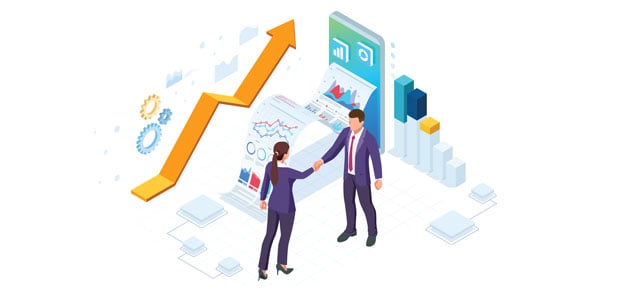
A common pain point for many SMEs is the misalignment between the Sales, Marketing, and Product functions. It usually grows with time and the company’s size: Product Management gets attracted by features and technology, Marketing by social engagement, Sales by “quick wins”. The ones who lose are the Customers, with a spiralling effect on the company performance.
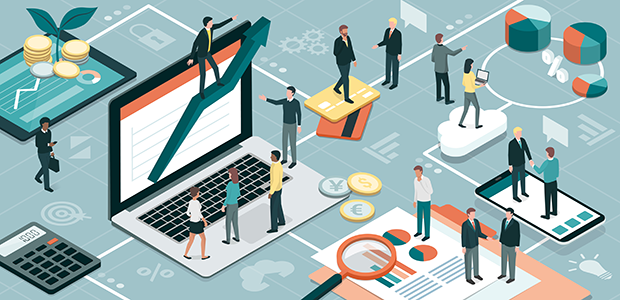
I’ve been in more pitching sessions – raising money myself but more often as a potential investor – than I can remember. And the question that so often goes unanswered is this: Why on Earth is it that most of the entrepreneurs who are pitching just don’t have their heads around finance?

The last two years have seen the face of global mobility change forever. Growing acceptance of remote working has seen more and more businesses integrate relocation and/or flexible working plans into their growth strategies. However, doing so requires a holistic solution, particularly when demand for such flexible working opportunities skyrockets like it has across many knowledge-based industries. The only way to cope with increasing need and interest in global mobility from current and prospective employees is to create solutions with seamless integrations that enable effective remote workforce hiring and management.
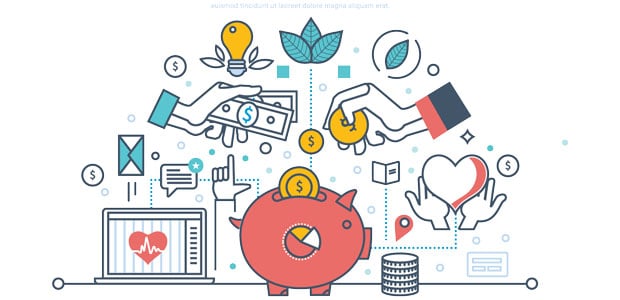
Startups are early-stage businesses that attempt to grow with large-scale solutions. With most startup companies, fundraising is a crucial element that transforms them from a small team of entrepreneurs into a large outfit with widespread products or services. When should a startup consider funding? What should startups have before they look for fundraising from venture capitalists or investors?

One of the most common pieces of advice you get when you start a business is to find a niche. The narrower the better. And while that works for some, it’s not the only way forward. Over the course of my career, both as an independent designer and the co-founder of a design studio, I’ve learned that my expertise has nothing to do with sticking to a narrow kind of work. That’s how I’ve ended up designing for clients ranging from Pfizer to the Bronx Museum of the Arts to Tribeca-based rooftop bar Happy Be.