There are a lot of things that we take for granted. Something as simple as reading the label on the ingredients for dinner is quick and easy; but not for everyone. For all the wonderful things making our lives easier, there is still a lack of tech out there which effectively assists blind people in everyday tasks, such as reading text. Billy Wood, Founder of Owlett, has set out to change this.

Customers are set to increase their spending once vaccines have been rolled out, according to research by SAS. When asked if they would increase their spending, nearly a fifth (17%) said they would, compared to just a tenth (10%) who said they would reduce spending once vaccines were available.

One of the few silver linings to come from the pandemic has been the rapid adoption of innovation in healthcare. The race to develop vaccines in less than one year is a prime example – taking anywhere between 10 and 15 years in normal circumstances. Other technologies such as telemedicine for virtual appointments, and Virtual Reality (VR) or Augmented Reality (AR) that provides lifelike remote training for medical staff, have broken through with great pace.

Thanks to the new advancement, hoteliers will be able to manage multiple properties all in one place. Built by Bidroom’s in-house team of technical experts, the new web application offers a simpler solution for managing bookings and room rates, and an intuitive content management platform designed to easily update hotel information, images and offers.

A little over a one year ago, CES just made it under the wire. One of the last of the major trade shows to ‘go live’ prior to the onset of the Coronavirus Pandemic, the mammoth showcase for emergent technology attracted its normal lineup of 1,200 startups, 4,400 total exhibitors and 170,000 attendees while delivering more than a hundred panels, seminars and presentations.

Diginex Solutions, the disruptive impact technology company helping to solve the world’s most pressing challenges, has launched DiginexESG to help companies of all sizes and reporting experience make their ESG reporting faster, easier and more affordable. The platform also enables large organisations to collect ESG data in their B2B client network, allowing them to make more educated decisions around risk, lending, and value.

Koa Health, a digital mental healthcare provider offering personalised employee solutions, has launched a new report titled Wellbeing at Work, exposing the impact of COVID-19 on mental health in businesses across the UK and organisations’ response to the crisis.

Demonstrating the importance of small business to the UK’s COVID-19 recovery, a new report from Xero, shows 410,000 small business jobs need to be created by the end of the year to return to the pre-pandemic jobs trajectory.

Mobile app adoption has skyrocketed during the pandemic. Consumers downloaded a staggering 130 billion apps in 2020, and consumer spending in app stores rose by 25 percent. Yet, app abandonment has also soared to 25 percent.
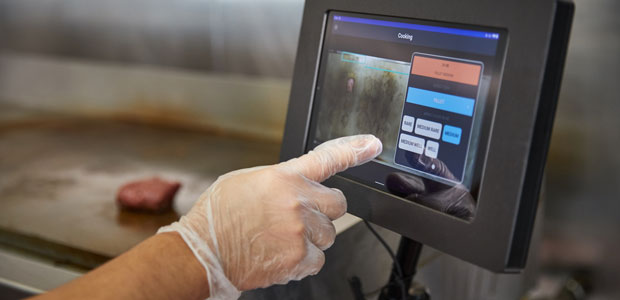
Miso Robotics, the startup transforming the foodservice industry with intelligent automation, announced the release of its standalone software as a service (SaaS) offering, CookRight. Packed with expanded cooking capabilities and accessible through an affordable subscription model, CookRight is the world’s first artificial intelligence (AI) powered cooking platform able to automatically identify and track products and tasks.

The Mathys & Squire Scaleup Quarter team hosted a virtual pitch event on Monday 26th April 2021 to celebrate World IP Day. The theme for 2021 was ‘IP and SMEs: Taking your ideas to market’. With SMEs making up over 99% of all UK businesses and contributing around half of all business turnover in the UK, the importance of supporting such businesses in their growth and development is clear for driving economic recovery and human progress.

As Pink Orange Media celebrates its second year in business, the agency has set out a bold pledge to donate a portion of all client retainers to global charities and provide employment opportunities to struggling job-seekers.

Nesta, the UK’s innovation foundation for social good, and UK Research and Investment (UKRI) have announced a new two-year partnership to provide up to £6m in combined investment and grant funding for companies working to improve health outcomes in later life.

LOT Network, an international community of high-tech companies committed to protecting its members from costly litigation from patent assertion entities (PAEs, also known as ‘patent trolls’), welcomes space tech startup company, Orbital Exploration Technologies (OrbitX), to its membership of more than 1,400 members. OrbitX is the first commercial space venture in the Philippines.

Student and graduate entrepreneurs are receiving a £40,000 boost through Kingston University’s longstanding partnership with Santander Universities to launch and develop their startups this year.

All products go through the different lifecycle stages of introduction, growth, maturity, and decline. As such, companies need to learn about the lifecycle stage to set performance goals, such as sales and profit growth targets, and make resource allocation decisions, such as strategic and human resource planning. A product lifecycle can last for several days or even continue for years.

Musicians reportedly lost out on two thirds of their income in 2020 with the doors to live music venues closed and festivals cancelled across the board. With live music taking a backseat, innovations in the sector came to the fore, with collaboration and creation taking on a truly digital-first approach.

Systems and procedures are crucial to the running of every successful business. Some company structures are inevitably simpler than others, and the complexity of the business does of course dictate the type of systems and procedures required, as well as the level of need. But whatever the size and complexity of the business, procedures are always needed.

This week Alphabet Inc, parent company to Google, saw record profit earnings during its first quarter, with its net profit jumping by 162% in three months. This success has been unsurprisingly attributed to the pandemic, with more people at home using online services to stay informed, connected, and entertained, as we continue to work remotely under lockdown.

A well thought through brand strategy can be the difference between success and failure when you’re starting out. And that’s been amplified thanks to COVID-19. So what steps can you take to drive success and give your startup the best chance?