Whether you are running a fledgling startup from a home office or heading up an international company employing tens of thousands of employees across the world, the challenge over the past 16 months has been the same. Those business owners who successfully navigated their business through the COVID-19 pandemic should take pride in coming through such an uncertain period in one piece.

Are you sitting on an idea for a brilliant new app or digital product? Perhaps you have already started the process into making that idea a reality but it is taking too long or just not coming out exactly as you had imagined? At Intrface, we specialise in helping start-ups develop and realise their vision with methods such as Rapid Validation and something we like to call: The Design Sprint 2.0.
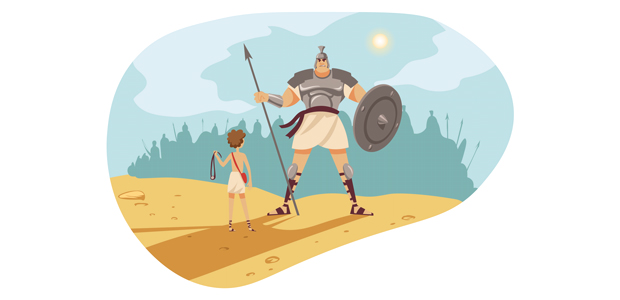
The business world is changing at a fast pace. In this climate, industry giants are forced to quickly re-evaluate how they work and to be able to face the new challenges in their markets: startups.

There is no doubt that consumer demand for sustainable options is on the increase. It is now becoming a huge factor in the choices buyers make when shopping for goods. A recent survey conducted by Deloitte found that 32% of consumers are highly engaged with adopting a more sustainable lifestyle, with 61% of respondents saying they have limited their use of single use plastic, and 34% have chosen brands with environmentally sustainable practices and values.

Today’s workforce is increasingly becoming more age-diverse, with more workers staying in employment into their later years and delaying retirement to secure a better financial future for themselves and their loved ones.
The restrictions the coronavirus pandemic has placed on thousands of businesses and their ability to trade normally has forced many more companies than ever before to shift their products and services online.

Marketing is a pivotal area of functionality for all businesses and brands. While the ultimate objective of every business is to drive sales and profits, marketing is a means to it. Marketing takes a business among people, attracts the target audience, and endorses products and services to influence call-to-action and buying.
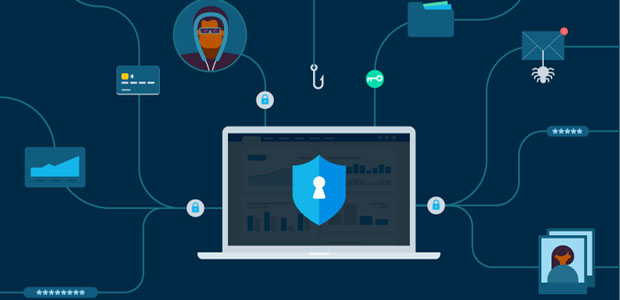
Now that just about everything happens online, cyber security has taken on a new significance. Unfortunately, hackers and other nefarious actors have leapt at the opportunity of the pandemic, and cyber crime is on the rise.

The past year has seen many industries navigate a multitude of challenges and shifts to remain operational. However, as we emerge from a post-pandemic landscape, it’s time for organisations to gather their bearings and analyse how their business has fared over the past year and what long-term implications the global lockdown could have had on them.

If your business is still using out-of-date systems and servers, then it’s high time that you started thinking about moving it over to the cloud. Not only will this help to reduce costs, but it can also make your life a whole lot easier.

As we say goodbye to lockdown restrictions, new research from Sky Connect, Sky’s new B2B telecoms business, celebrates the strength and adaptability of British small businesses with a third revealing that the secret to their resilience over the past year is sheer hard work and motivation. The majority of the UK’s SMEs (80%) – which make up over 99% of the business population – believe they have shown resilience at its best throughout the pandemic.

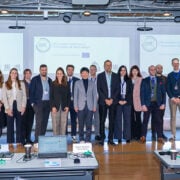
As we successfully hosted the 2021 Hustle Awards last night at the Finsbury Business Centre (in-person finally!) and had a virtual livestream too, we saw five incredible startups take the prize across the five different categories, plus an array of talent that was also shortlisted and five amazing runner-ups. But not only that we saw our community again, and what an amazing feeling that was to be able to speak to some of you face-to-face!

It’s common for startups to experience growing pains and go through trial and error when getting their ideas off the ground. There are some misconceptions attached to running a startup, too – including the idea that finding the funding to successfully launch your startup is no easy task.

It’s fair to say that over the past 16 months or so, we’ve become more digitally-connected than ever before. We can’t underestimate the roles that data and digital technologies continue to play in helping small businesses survive during the pandemic. Almost every interaction we all undertake every day produces data. This creates endless opportunities, but with opportunity comes responsibility – particularly when it comes to how data is used.

The internet is awash with help and advice for business owners. With all this information at your fingertips, is it worth having a dedicated mentor? The short answer is yes, without a doubt.

Education doesn’t finish after school. With further qualifications required to move up in fields as diverse as healthcare, beauty therapy and construction, there’s a huge opportunity for edtech to help employers manage training. But how do you introduce your product to industries with plenty of trainees, but low tech adoption?

If you imagine a business like a body, company culture is the lifeblood that circulates, revives and powers everything. It’s a fundamental component of commercial success and without it, you and your team are likely to become rudderless and disorganised.

Language and communication tools are continuously developing. Human beings have an amazing ability to find new ways of understanding one another and the world around us.
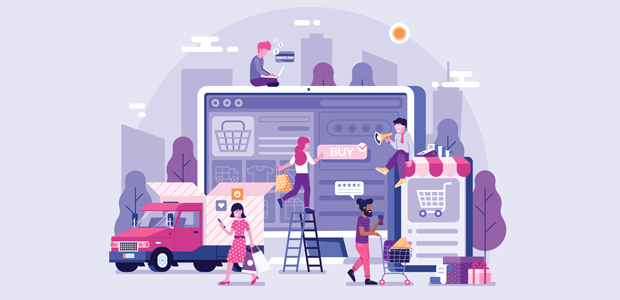
Money, dedication, sleepless nights – maybe even some failure along the way. Starting an ecommerce store can be a daunting task, but nothing matches the feeling once you start to reap the rewards of all that hard work.

Schools, colleges and universities may have finally got back into rhythm following numerous lockdowns, but in embracing new technology, there are elements of the shift to remote learning that will surely continue long after the pandemic is over.