
Just under half of manufacturing workers suffered a decline in their mental health during the first lockdown and the industry ‘cannot afford another hit to mental health as we move through the winter’, according to corporate wellbeing expert, Westfield Health.

Ahead of Stress Awareness Day, which takes place on November 4th, Cheryl Lythgoe, Matron at Benenden Health, shares her tips for employers on how to support employees coping with stress as the COVID-19 pandemic continues to impact our lives.

HR and people management platform Employment Hero has today announced its expansion into the UK market, following impressive growth and success in its home market. Looking to empower small businesses and their employees as they transition into a new way of post-COVID working, the company has also announced its expansion into Singapore, Malaysia and New Zealand today.

In the past three years, I have worked with a number of businesses and clients from all sizes of company and all industries. Whilst the companies and people differ, one thing is constant for nearly every single person I have met since starting my consultancy: most people fear, hate or avoid selling.

Europe’s tech sector is worth four times what it was five years ago as the leading generation of companies and founders give back to the next wave of ambitious tech firms – signalling the start of a golden age of European tech entrepreneurship.

Coutts, the wealth manager and private bank, has released the latest round of findings of the inaugural Coutts UK Entrepreneur Index (CUEI) which outlines the level of entrepreneurialism in the UK as well as the desires and barriers that they have faced when starting their business.

Downsizing a business is never an easy task, however, with many businesses not performing up to standard as a result of the pandemic it has become necessary. Richard Wayman, CIA Landlord’s Finance Director reveals the most important factors to consider when downsizing during the pandemic.

Oxford-based cybersecurity startup, Traced, is pleased to announce that they have received a further £300k in investment from Lord Brownlow CVO DL and Benjamin Rawson of investment company, Havisham Group. The investment will help to launch Control, a ground-breaking Mobile Threat Defense (MTD) solution for businesses.
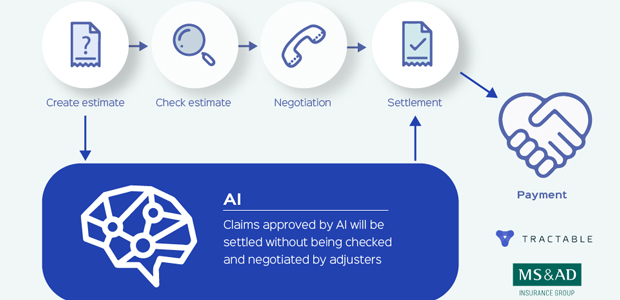
MS&AD, one of the world’s largest property and casualty insurers, is to use AI to accelerate how it processes auto claims, speeding up recovery for its policyholders.

Digital security specialist Zobi is set to launch a new campaign via leading crowdfunding site Kickstarter, as the brand sets its sights on delivering new technology to keep us safe in a digital world. Zobi has already garnered interest from venture capital and crowdfunding efforts, raising over £500,000 via angel investors, institutional investors and equity crowdfunding platform Seedrs.

Legacy Club launches first of its kind virtual members club to connect with business audiences around the world in response to Covid-19. Founded by Chris Caffrey, former Head of Membership for Home Grown with over 20 years events, membership and travel experience, Legacy Club is a virtual member’s only network with a focus on peer to peer connections and unrivalled members privileges set to launch at the start of 2021. Legacy Club member’s will be a diverse community of Founders, CEO’s, Directors and Disruptors.
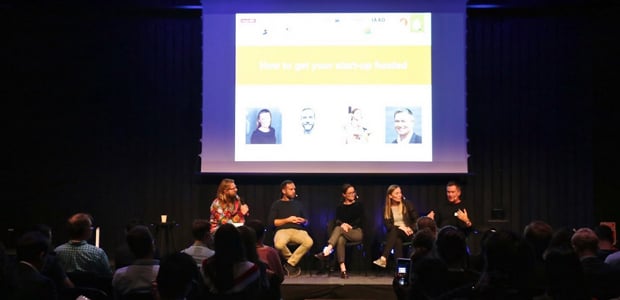
The European Startup Festival 2020 is an online, warm-hearted, diverse annual event of the European Startup Association to celebrate an inspiring community of entrepreneurs and investors to interact with all the stakeholders of a borderless startup ecosystem. It will take place between 16th and 21st November 2020 during the Global Entrepreneurship Week.

Research from Correct Careers Coaching found evidence that 83% of sales professionals feel they require support in using social media for building business relationships, emphasising sales professionals seeking to try new approaches to increase business sales.

Traditionally, the office has been a place we go to in order to work. But with almost three quarters (74%) of firms planning to maintain increased levels of home working after the pandemic, according to research from the Institute of Directors, are the days of the physical office numbered?

Brexit immigration is one of the shocking events that shocked the world, specifically the UK citizens. The changes that have been foreseen due to these changes predict a huge transition in the economy and the country at large. As the decision was made in June 2016, the majority vote made the UK exit the European Union severely. The Brexit mainly affects the immigrants predominantly leaving them with terms and conditions that they need to follow, and this article highlights some of the impacts of this legal move.
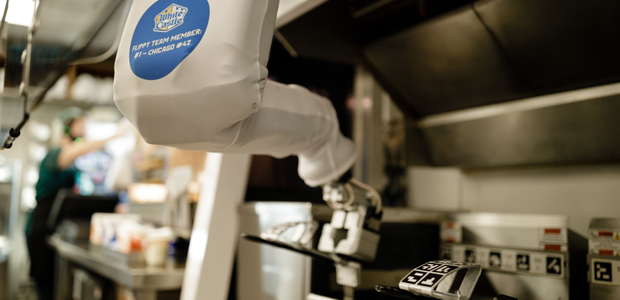
White Castle has announced plans to expand work with Miso Robotics – creators of the first autonomous grilling and frying kitchen assistant, Flippy – to target up to ten new locations (in addition to the initial testing location) following completion of their current pilot. The announcement comes following early results at one test location.
The debate continues whether remote working will continue when the UK is relieved from the effects of the pandemic. But one thing that is seeming almost set in stone is these regularly moving restrictions are going to remain into 2021 with mass vaccination not likely until the Spring or Summer.

It can be hard having your startup business, and wanting to go for it, but at the same time still running a business to earn a living. That is exactly what Rod Baber is doing, currently running a climbing business which he loves and enjoys doing, he is also keen to pursue his startup, Read Between My Eyes.

In our recent Women in Tech issue, we asked one of our partners Fiverr to chose ‘Fiverr’s Top 5 Female Founders’. Of course, a very hard job knowing how much talent there is out there, but nonetheless her are the wonderful Founders, in no particular order that made that five!

Founded in 2014, Hatch has been on a mission to increase diversity in entrepreneurship and has been shining the spotlight on diverse women-led businesses ever since.