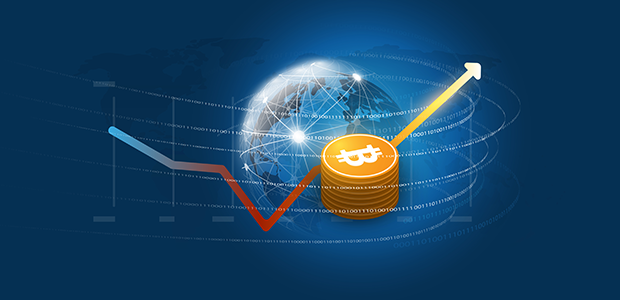
Metasky, a platform aimed at the intersection of Web3 and the creator economy, has raised $1.8m in a pre-seed token sale round led by Sequoia Capital India and Woodstock Fund. Metasky positions itself as a bridge to Web3 – working with influencers, creators, and brands closely to form a Web3 strategy for their followers with the help of its user-friendly tools for buying, storing, and using NFTs.
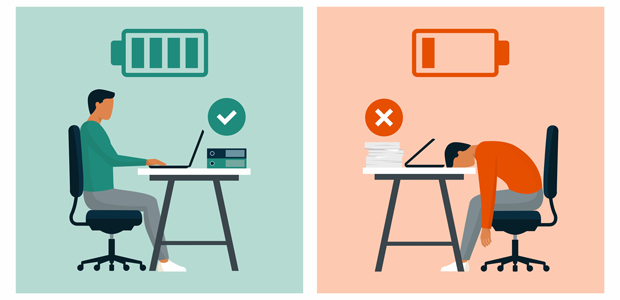
What are the signs of HR burnout? Burnout can look different for everyone. For many, it will present in ways that make you feel exhausted and overworked. This could be increased irritability, anxiety, mood swings, a decrease in the quality of work produced, retracting from social events and encounters, fatigue, sensitivity and overall disengagement in work.

Just three months after its pre-seed round, an impressive group of Europe’s leading food tech entrepreneurs, startup founders and investors have joined Berlin food tech company, Perfeggt.

Schneider Electric’s seminar at Sustainability LIVE invited the audience to join its journey to net zero. Ranked as the ‘world’s most sustainable company’ in 2021 by Corporate Knights Global with an overall score of 83.2%, its Energy & Sustainability Director, Barry Hurst, offered advice on how to make your business greener.

An app designed to help consumers make informed choices about the environmental impact of their weekly food shop has recently celebrated its launch.
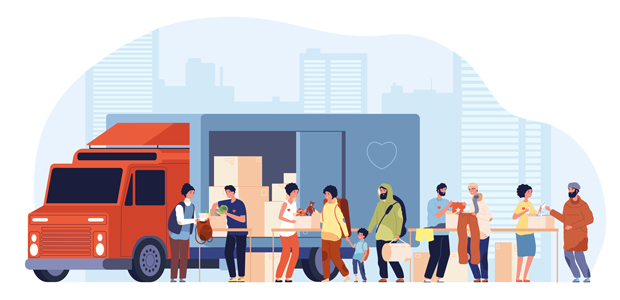
Lifesaver Power, the cleantech startup on a mission to provide fairer and cleaner products to individuals and businesses, has relaunched its Lifeline to the Frontline campaign to supply power banks to Ukrainian refugees. This comes as the situation in Ukraine continues to worsen, with two million people now reported to have fled the country and no end to their plight in sight.
Wednesday 9th March sees the launch of the latest iteration of the UK Government G-Cloud.
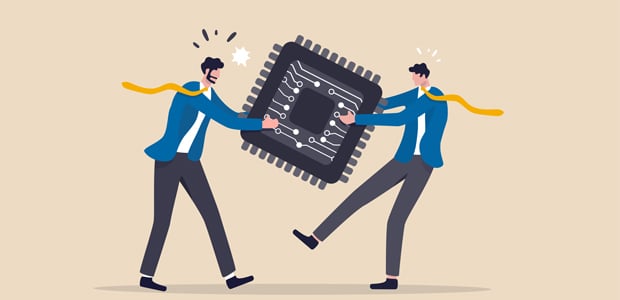
Foresight Williams are pleased to announce an investment into Zero Point Motion Limited; an early-stage semiconductor company which is developing a chip-scale inertial measurement unit (“IMU”) for ultra-precise motion-tracking and indoor navigation.
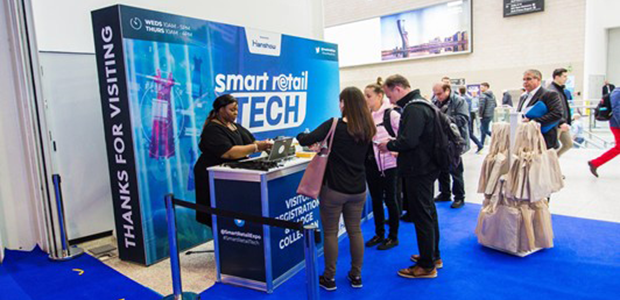
Smart Retail Tech Expo 2022 brought together an unrivalled collection of exhibitors, speakers, judges, partners and visitors eager to get inspired from and share to the very best in the retail sphere.
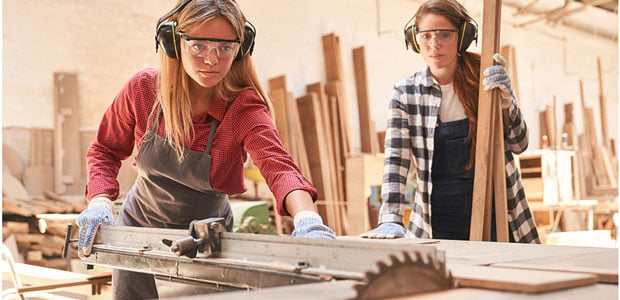
New research from the find-a-tradesperson platform, Rated People has revealed the biggest challenges faced by women who work in the trades industry, inclusive of all who identify as women, as well as the trades which have the lowest representation of women and the biggest gender pay gaps.
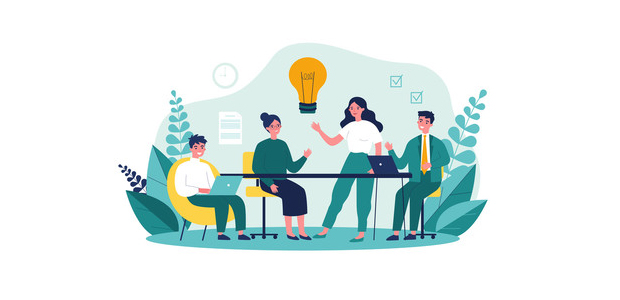
London bespoke office space provider, WorkPad, plans to double the size of its business in the next two months and launch new service lines for landlords and occupiers, as the London office market continues to heat up following the pandemic.
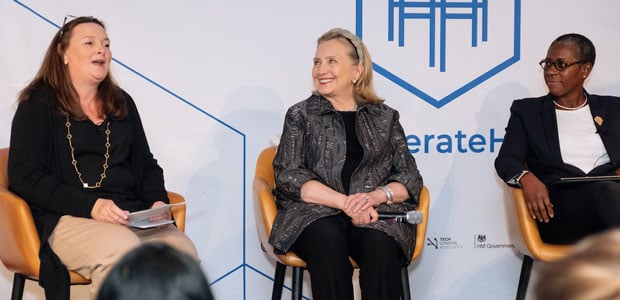
Despite women tech giants including Facebook’s Sheryl Sandberg and YouTube’s Susan Wojcicki being championed in the press, women are still facing barriers when it comes to entering and succeeding in the world of technology, new research suggests.
Popularised in 2014 by Founder of fast-fashion brand, Nasty Gal, Sophia Amoruso, the neologism, girl boss was supposed to incite feelings of strength, empowerment, and confidence.
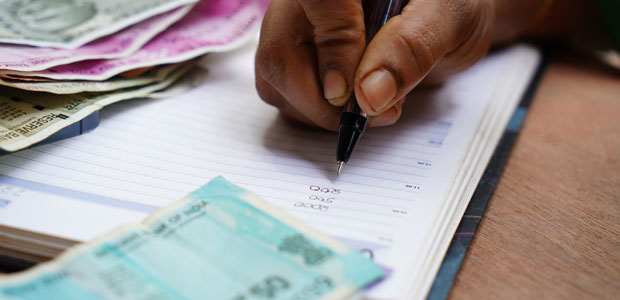
As a small business owner, you undoubtedly understand the importance of collecting payments from your customers on time. Debtors are the bane of any business owner’s existence. They can hold up payments causing cash-flow problems, which can be a headache to most business owners. However, with a bit of organisation and planning, you can manage your debtors more effectively and minimise the negative impact on your business. This blog post will discuss six ways to do just that.
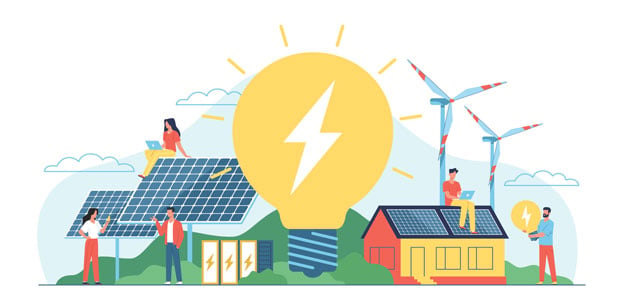
International Women’s Day is designed to pay homage to the progress that has been made in the battle for gender equality, but it also highlights the existing challenges that many women still face today. This year, as well as highlighting the everyday prejudices that women face, focus is also being placed on the growing need for sustainable practices within business. Gender equality is essential, and so too is the need to protect our future environment. And from an enterprise perspective, work needs to be done to improve in both areas.

FEMALE entrepreneurs running growing businesses have shared the secrets behind their success in a special report to mark International Women’s Day. The female founders also outlined the challenges they face in growing their businesses and explained how they’ve overcome them.

When it comes to the battle on gender equality, we can certainly see some improvement, however, there is still a lot to be done. Whilst we may be encouraging the younger generation into more STEM and subjects they weren’t considering before, we need to make sure this is reflected all the way up – and into leadership positions.

My colleagues at the Giants asked to hear my thoughts about being a ‘woman in tech’ for International Women’s Day (IWD).
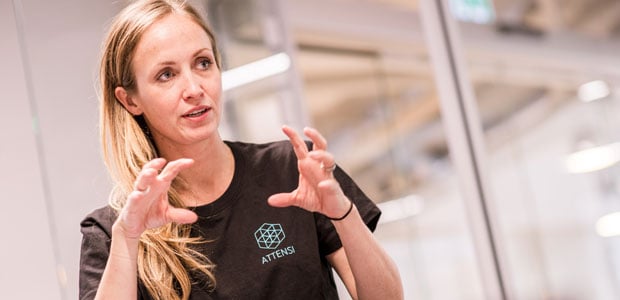
In our last Women in Tech issue back in September, the founder focus feature saw us head to the land of the midnight sun, Norway, to speak to Anne Lise Waal, CTO and COO of Attensi, provider of gamified training solutions, about the diverse team she has built, and how women in CTO positions can influence the ethos of a tech business.
Admitting we have biases is not easy. It makes you question how much control we have over our minds and behaviours. This year’s International Women’s Day (IWD) theme encourages us to ‘Break the Bias’ to achieve gender equality, but it is difficult to know which biases are the most important ones to ‘break’ first.