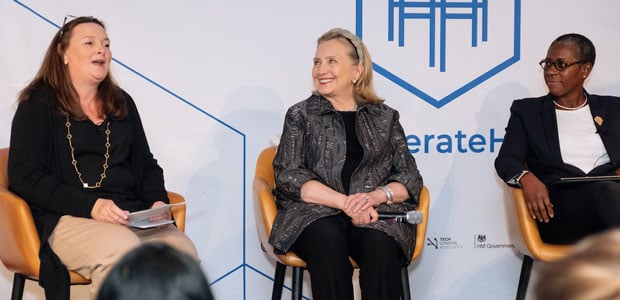
Despite women tech giants including Facebook’s Sheryl Sandberg and YouTube’s Susan Wojcicki being championed in the press, women are still facing barriers when it comes to entering and succeeding in the world of technology, new research suggests.
Popularised in 2014 by Founder of fast-fashion brand, Nasty Gal, Sophia Amoruso, the neologism, girl boss was supposed to incite feelings of strength, empowerment, and confidence.
As a small business owner, you undoubtedly understand the importance of collecting payments from your customers on time. Debtors are the bane of any business owner’s existence. They can hold up payments causing cash-flow problems, which can be a headache to most business owners. However, with a bit of organisation and planning, you can manage your debtors more effectively and minimise the negative impact on your business. This blog post will discuss six ways to do just that.
International Women’s Day is designed to pay homage to the progress that has been made in the battle for gender equality, but it also highlights the existing challenges that many women still face today. This year, as well as highlighting the everyday prejudices that women face, focus is also being placed on the growing need for sustainable practices within business. Gender equality is essential, and so too is the need to protect our future environment. And from an enterprise perspective, work needs to be done to improve in both areas.

FEMALE entrepreneurs running growing businesses have shared the secrets behind their success in a special report to mark International Women’s Day. The female founders also outlined the challenges they face in growing their businesses and explained how they’ve overcome them.

When it comes to the battle on gender equality, we can certainly see some improvement, however, there is still a lot to be done. Whilst we may be encouraging the younger generation into more STEM and subjects they weren’t considering before, we need to make sure this is reflected all the way up – and into leadership positions.
The theme for this year’s International Women’s Day is #BreakTheBias, and whether deliberate or unconscious, bias against women has long been an issue faced by many in the workplace.

As we look forward to International Women’s Day tomorrow, Dr Claire Vowell, Koa Health Lead Psychologist, issues a workplace warning.

Nearly a fifth (17%) of women in the UK are considering starting a business following the pandemic, with almost half (48%) citing a desire for more money as the biggest driver, followed by 46 per cent wanting the freedom of being their own boss.
Tomorrow (Tuesday 8th March) is International Women’s Day. While more employers do now offer health and wellbeing support that is specific to women, this is often limited to a particular life stage, such as maternity. Towergate Health and Protection is encouraging businesses to provide for women across the entire lifecycle, from early adulthood to menopause, and beyond.
International Women’s Day shines a light on the amazing work of women across multiple industries. However, it also serves as an important reminder that a lack of diversity remains an ongoing issue, especially within the venture capital industry.

Ahead of International Women’s Day (Tuesday 8th March), we look at some of the best inspirational books written by and for women looking to jump-start or further develop their career in the tech world.

Making the leap from a business plan to a fully operating company with customers and employees is an exhilarating journey. There is nothing more exciting and empowering than building a business. Particularly as a woman because you have this added sense of breaking the mould or going against the statistics. With excitement, come some terrifying lows, confidence crises and loneliness. I want to make it one of my personal missions for the negatives not to scare people away.

This International Women’s Day we are celebrating female founders and other women’s contributions to the world of startups. I caught up with Amber Probyn, aged 23, who co-founded PEEQUAL: the “UK’s first female urinal”.

The new initiative cements Dubai’s global appeal as a destination for investment by offering investors and VCs agile set-up and engagement solutions.

Meeting rooms, breakout areas and outdoor spaces are the most in-demand workspace features, according to new research by infinitSpace. The European flexible workspace provider commissioned an independent study among 200 UK office landlords, asking them which features were most important in attracting tenants.
One of the hardest challenges all leaders face is knowing when to move on from their existing strategy. This is not only because of the attachment we feel towards a plan we have created, or because of the humility required to accept that what we are doing is not working, but also because the clear thinking required to create a winning strategy is hard work.
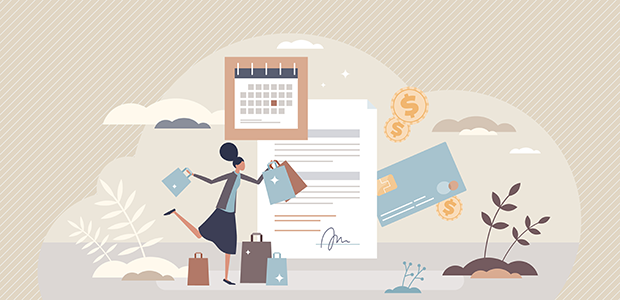
Buy now, pay later (BNPL) has never had the best name in consumer financing. Although deferred payment schemes enable shoppers to access products they might otherwise be unable to afford, high interest rates, hidden fees and lack of regulation have drawn criticism.
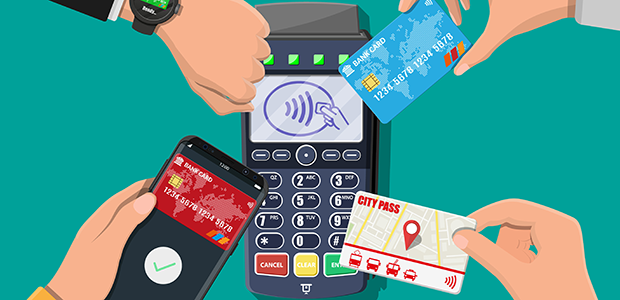
2022 has been broadly embraced as a year of recovery for UK businesses. COVID restrictions have been completely lifted, and with the vaccine rollout marked a success, it seems unlikely that any further restrictions will be enforced in the near future. Customers are ready to spend, but is your business ready to take their payments?
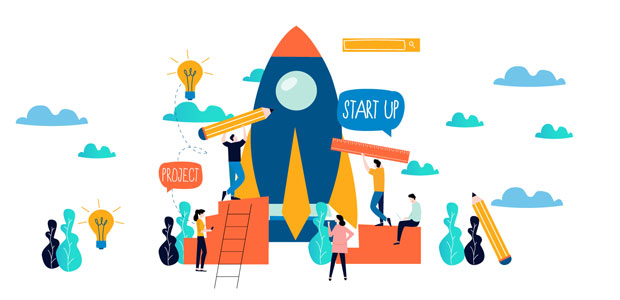
What is a startup? Within my four years of working in the startups industry and community, this may be the question I have been asked the most. However, being completely honest, I don’t believe there is an exact answer.