Features

Many businesses are looking at their current office space in the light of COVID-19 to accommodate staff rotation, flexible working hours, working from home and commuting restrictions.

New research reveals that nearly half (49%) of UK adults have not installed or didn’t know whether their mobile phone has security software. So keeping personal data safe from hackers has never been more important.

In 1944, as the WWII was drawing to a close, a gentleman called Harold Samuel decided to start buying houses which had basically been demolished due to the bombing. The idea, seen crazy by many (after all, what is the value of a pile of rubble?), did work, as his company – Land Securities – went on to become the UK’s leading property company: a position it still holds today.

As with everything about starting a business, different people do it for different reasons, and they have different levels of ambition. Some people want it to remain a side hustle or a very modest lifestyle business whilst others have plans from day one to scale and grow it into a multi-million GBP international operation.

When it comes to tapping into the entrepreneurial mindset to mine some golden nuggets of inspiration for business growth, who better to speak to than a winner of the BBC’s Apprentice. Therefore, when we had the opportunity to speak to 2014 champion Mark Wright, founder of Climb Online and the CLIMBCON business event, we jumped at the chance.
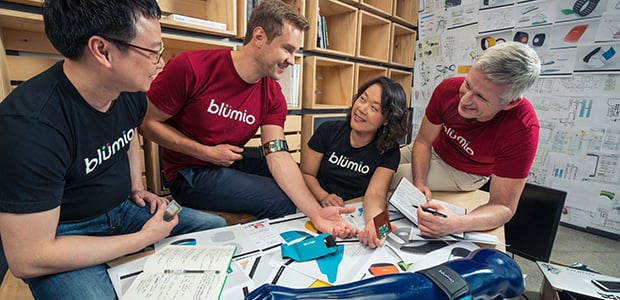
Semiconductor manufacturer Infineon Technologies has always been keen to work with startups and entrepreneurs and has done for many years. However, a year ago the company took the decision to make this collaboration more structured and more visible to the outside world, and so introduced its startup cooperation programme, Inno.Wafer. We spoke to the man heading up that programme in EMEA, Lamin Ben Hamdane, to find out more.

Over the past few months, most businesses have had to rethink how they operate and how they reach their customers. At the same time, there’s been drastic changes in customer behaviour, with huge increases in online purchases. For example, Shopify saw a 68% MoM growth of UK consumers estimated to make a purchase online from a UK Shopify merchant for the first time in April 2020.

Following the global sports hiatus brought on by the coronavirus pandemic many sports have now returned to action, much to the delight of fans worldwide. We’ve recently seen the likes of Europe’s top football leagues finish up the remaining games of their seasons and now eyes are well and truly stateside with the NBA, MLB and NHL returning over the past few weeks.

Lysander Bickham, Founder and CEO of Loving Earth’s Oceans (or Leo’s Box for short), shares his story of setting up an eco-friendly subscription startup while still at school, and offers five simple steps any business can take to improve its sustainable practice.

Talking all things AI and new and emerging technologies at the moment, as we prepare for our next issue – out tomorrow! Startups Magazine spoke to Andy Baggott, Marketing Manager at Kafoodle – a fast-growing food tech company launched in 2016 with the goal to simplify food safety and kitchen compliance, helping the hospitality industry manage their ingredients, recipes and allergen information.

To celebrate Startups Magazine’s latest issue release (this week), which is focused on AI and emerging technologies, here at Tractable, recent winner of Best UK startup in the Hustle Awards, we decided to explain a bit about how we’re bringing AI to the world on a commercial basis. Accidents and disasters affect millions of people every year. And the recovery process always starts the same way – assessors inspect the damage, approve an insurance claim, and unlock the funds to begin the rebuild.

Attitudes towards sharing are always intriguing to observe. What we will and won’t share with others has changed continuously over the years and in line with broader consumer trends.

When iconic computer game, The Sims, was first published in 2000, few knew that one day entire industries would be conducting business within a virtual Sim-like environment. And yet, in the world of wholesale fashion that’s exactly what’s happening in the light of the COVID-19 pandemic.

You maybe already believe that micromanagement is dangerous for you, your staff and your business. And it certainly is. But maybe not for the reasons you think.

UK newspaper, ‘The Guardian’ reported last month that hospital trusts across England urgently need more equipment to prepare for an upcoming wave of operations and procedures deferred by COVID-19. The article highlighted that hospitals need ‘staff and space to deal with a huge backlog of scans for cancer and other conditions, as more than 600,000 people await CT, MRI and other scans amid the coronavirus crisis.’

The coronavirus pandemic has sent shockwaves through the business world and left many struggling to stay afloat and, with the future still uncertain, many business owners are turning their attention to how they can pivot their way through this difficult time.

Global pollution levels continue to be an issue that needs addressing. While the worldwide lockdowns caused by the COVID-19 pandemic may have lowered our air pollutants, before the outbreak there were seven million deaths each year due to pollution.

The debate around the future of Artificial Intelligence (AI) and what it means for humanity is very much alive. It probably has been since 1927, the year Metropolis was released. If you haven’t seen it, the film stars a humanoid robot intent on world domination and human slavery. As you can imagine the robot doesn’t go down too well, and so began our difficult and ever-evolving relationship with AI.

With productivity and profits affected, businesses might not be considering wellbeing as much as how to move fast and regain ground, from a quarter that was terrible for much of the economy. There are some under-used but patently obvious wellbeing tips that will help boost productivity, reduce employee turnover and increase engagement that are well worth looking into.
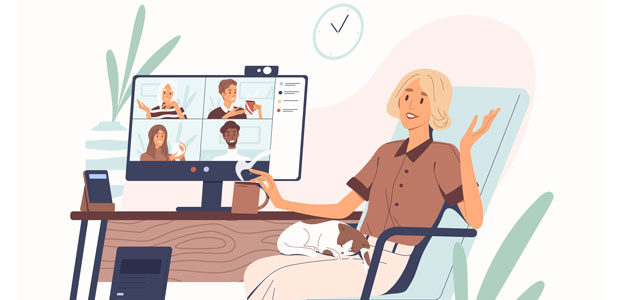
As employers embrace video call tools such as Zoom and Skype for day to day work communication, recruitment is no different as recruiters turn to virtual interview processes to source out the best talent. For recruiters looking for a way to build a more engaging recruitment process video, Laura Webster, Global Marketing Manager at HAYS Talent Solutions shares tips and advice into how employers can build a seamless virtual recruitment process through video.