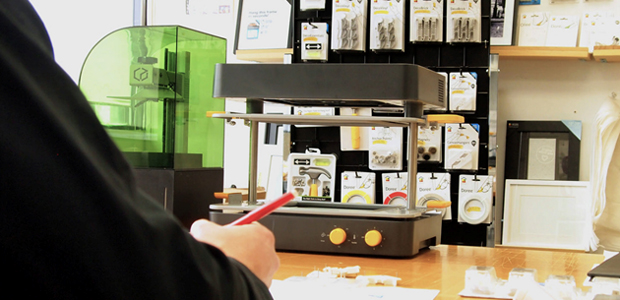
Mayku are making raw materials and desktop vacuum forming technology accessible for rapid and cost-effective in-house production. Co-Founder and CEO of Mayku, Alex Smilansky, here discusses the commitment to democratising manufacturing, with Under The Roof.

The on-demand laundry app, Laundrapp, recently acquired by group collective Inc & Co, has launched a targeted online campaign. The creative, produced by Manchester based digital agency Neon, will be featured on the UK’s most popular website for parents, Mumsnet.
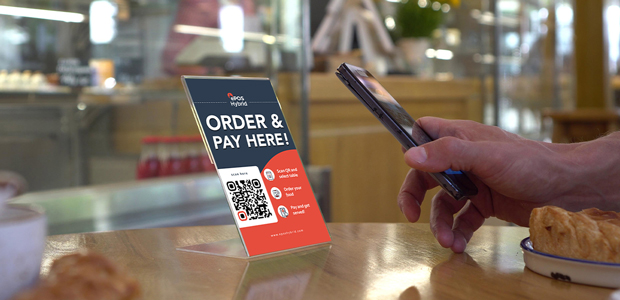
A HOSPITALITY tech start-up is offering bar, restaurant and casual dining owners a way of introducing safe, contactless customer interaction to comply with social distancing guidelines. ePOS Hybrid has been working on developing new software to help the beleaguered hospitality industry rebuild from the Coronavirus pandemic since lockdown began.

In the midst of a global pandemic our leaders are necessarily focused on the immediate. Survival – in life and in work. Entrepreneurs and executives alike are shoring up business, optimising current operations and cashflow; the need to stay afloat taking precedence over the long view. But with the passing of this crisis, may there come a sustained shift in values?
Being out of work during ordinary times is not fun. It can weigh a heavy impact on one’s confidence and sense of wellbeing, as well as being demoralising. This applies to people whose employment has been put on hold through, as they have been in the United Kingdom, furloughing schemes designed to prevent mass redundancies. It also applies to students whose future employment and careers have become uncertain after in-person lectures and exams were put on hold. The breath of fresh air is that some lockdowns, including the one in the UK, are beginning to ease.

Startups Magazine has been lucky enough to interview Kevin Smith from Boom & Partners, a business that offers bespoke mentoring for startups to help them grow and thrive. Having teamed up with Kevin and Boom & Partners many times already, we thought it was time to get his expertise on some of the most pressing conundrums for startups
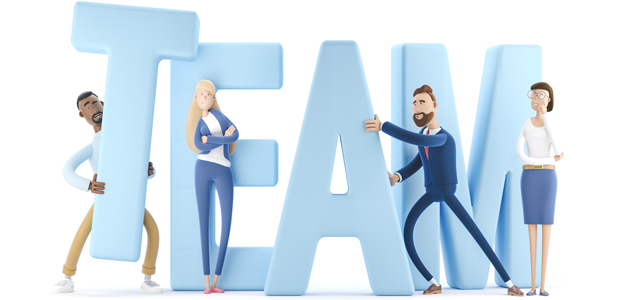
For those founders at the beginning of their entrepreneurial journey, whether for the first time or as a serial founder, there is a question that I overhear time and time again and that question is ‘should I be a sole founder or a co-founder?’

Web archiving and monitoring solutions provider, MirrorWeb, has been selected to join the Microsoft ScaleUp programme, an exclusive initiative which grants a small number of high growth companies access to Microsoft’s sales, marketing and technical support.

Barclays has today launched a toolkit to help small and medium sized enterprises (SMEs) across the UK get back on their feet as they navigate the uncertainty created by coronavirus.
WeWALK, the startup that has developed a smart cane for the visually impaired, has completed its first fundraising of £600,000 from a group of investors across Europe who responded to the “WeWALK Together” social impact message and story.

Paul Landau, Founder and CEO of Careology, started his entrepreneurial journey back in 2005. Before tracking steps was cool and when wearable technology was just beginning to emerge, he created a healthtech company which tracked its users’ fitness levels, sleep, aerobic steps and calories burned.
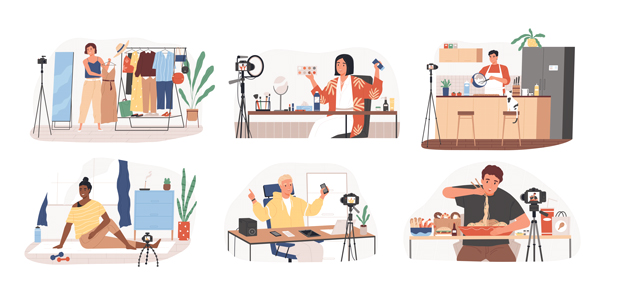
Over the last few years, I’ve been teaching business owners and their staff to set up a few simple pieces of equipment to film their own smartphone videos and get comfortable in front of the camera.
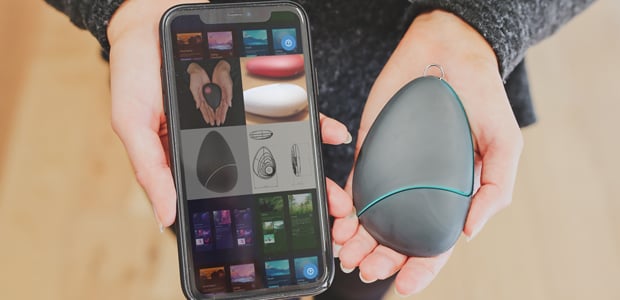
The global workplace stress management market size is expected to reach $11.3bn by 2025, rising at a market growth of 8.5% CAGR between now and then, while the global workplace wellness market, which was valued at $46.08bn in 2018, is growing just as rapidly and is expected to reach $74bn by 2026, expanding at a CAGR of 6.1%. However, BioSelf Technology, a UK startup headquartered in London, on Harley Street, has developed a pioneering, clinically validated, wearable device to combat the growing stress pandemic.

Over the past three months, small businesses have faced intense struggles, with only those deemed ‘essential’ by the government able to stay open due to the lockdown. Although these restrictions are now beginning to ease, the financial impact will have been significant.

For all businesses operating in the digital arena, there has long been an advantage to be gleaned from better understanding how your customers behave online. Can you identify which website visitors are on the verge of clicking ‘buy’? Can you spot a disgruntled customer desperately searching around an online FAQ for the product support they require? Is it possible to determine whether a prospective subscriber is ready to commit, or whether they need further incentives to push them over the line?

Given that up to 50% of any population identify as introverts, organisations with an unbiased recruitment process will have a fair proportion of introverts in their workforce. If their promotion panels are fair and equitable, some will reach positions of leadership. However, many introverts spend much of their working life pretending to be more extraverted in order to fit in and be accepted. This comes with a heavy price tag; overwhelm and burn-out. Introverts need strong, well-defended boundaries and a personal strategy for replenishing.

The Halo Effect is a type of cognitive bias, commonly known in marketing as the tendency for positive impressions in one area to influence one’s opinion or feelings in other areas. When it comes to branding specifically, I believe that this effect has been demonstrated to reinforce as well as rejuvenate a brand in the eyes of its fans, it can be utilised to spark conversations around it and thus leading to more organic growth. The question that poses itself is how can we successfully achieve this effect, and why is it necessary to keep a brand alive in the fast paced and media devouring environment that we live in today?

Pioneering smart technology for women with the world’s first silent wearable breast pump and the world’s smartest and smallest kegel trainer.

Startups faced with an entirely new trading environment are being encouraged to use the next 100 days to carefully align their shifting commercial goals with an effective approach to IP or risk being left behind by innovative competitors.
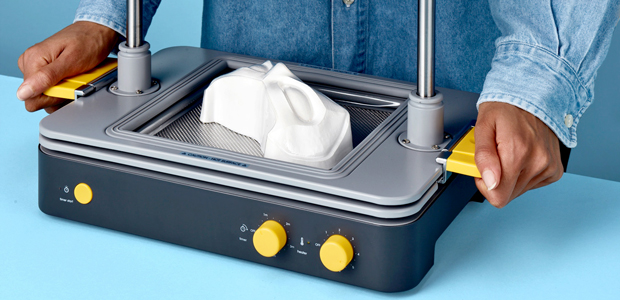
Mayku’s desktop factory is turbocharging Britain’s creative businesses by enabling rapid design, prototyping and high-quality production. Co-Founder and CEO of Mayku, Alex Smilansky, discusses the efforts to support businesses amidst the pandemic, and comments on Mayku’s 100% month on month growth in lockdown.