While the heroic abilities of the NHS have been on display throughout the COVID-19 pandemic, the last year has also exposed the longstanding limitations and frailties of our underfunded healthcare system.
New research from GovGrant, with data commissioned from CBI Economics, has revealed that just 10% of UK SMEs own Intellectual Property (IP) rights. This scenario is further exacerbated by the fact that the UK’s top ten patent applicants are predominantly made up of large firms, but still make up almost a fifth (18%) of IP applications. This suggests large firms dominate SMEs when it comes to applying for patents.

Creative England and the British Business Bank’s Start-Up Loans programme have announced a new partnership, establishing an accessible source of financial and business support for creative entrepreneurs across the UK. The partnership provides vital support for creative businesses – many of whom struggle to access traditional forms of finance – to start, grow and develop their IP.

Environment-savvy small firms have been stirred into action by the pandemic and propelled saving the planet to the top of their agenda. And business owners now see sustainability as a critical issue and want to take action as lockdown restrictions ease.

Dutch artificial intelligence company, Sentinels has raised £4.9m (€5.7m) in a seed funding round, led by INKEF Capital, complemented by strategic angel investors and industry leaders – including several members of the early Adyen team. The startup has now raised a total of £7.3m (€8.4m) to date.

The NatWest Accelerator supports and empowers UK entrepreneurs and business owners to scale their businesses to the next level. Through our specialist Accelerator programmes we provide wrap around support and access to expertise, removing barriers and providing more opportunities to help customers grow.

Event Tech Live (ETL) will make its debut in the States and Canada next week from June 8th until the 10th.

The Inspiring Fifty UK awards, hosted by accelerateHER, opens nominations to spotlight women excelling in technology careers across the UK and showcase 50 incredible trailblazing leaders.

Meet Disco: A combination of improved purchasing power and super-safe security structures, extension features a referral program within the add-on, and auto-fill shopping cart for all the favourite merchants.
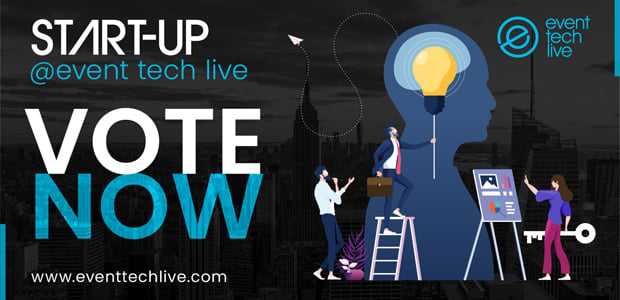
Event Tech Live’s competition for startups is now open to the public.

As we now know, this year’s CRL cohort is slightly different with a larger number of startups initially involved, and then after a six-week period, a hackathon and a pitch day, six will be chosen to continue on the accelerator programme. I got the chance to catch up with all 18 startups, to find out a little bit about the founders, the business, their big ideas and some of the challenges they have faced with their products and proof of concepts so far.

Sometimes in life it can pay to watch, observe, and to take no immediate action. But there are also many times in life, and in business of course, where by far the best thing to do is to seize the moment. No action, can itself become an action, as events are taken out of your hands or the situation has moved on and left you behind.
Naturally, large and small businesses have innumerate differences in their motivations and capacity to operate. For instance, SMEs commonly benefit from the flexibility imparted by smaller and more focussed teams, with ownership often aligning with management. Conversely, they may have less financial freedom to invest in diversifying or building the kind of economies of scale enjoyed by more established enterprises.

Employees are at greater risk than ever of suffering burnout and employers should consider putting in place preventative and curative measures. For startups in particular it is important to look at tackling burnout in a sustainable way, eradicating the factors and issues before they take hold. Debra Clark, Head of Specialist at Towergate Health & Protection explains.

COVID-19 rocked the world and demanded many changes to the way we went about our daily lives. As a result, this pivotal year has led to a renewed focus on the health of our planet post-pandemic. Many have recognised the positive reaction to the world slowing down on our natural surroundings, and many have taken the opportunities that this huge period of change has offered to drive their ambition to make a difference.
Accelerator programme, Lloyd’s Lab, run in association with L Marks, is currently on the look-out for innovative InsurTech startups to take part in its latest cohort, Cohort 7. The core aim is to find startups that can help them either grow the market or operate better.

After the wettest May since records began, many of us could do with a sunny holiday. There’s reason to be hopeful, with the UK government permitting international travel since 17th May and the EU agreeing to open its doors to vaccinated travellers.

Following on from ‘Unexpected Tips for Business Growth: Part 1’, here are three more tips taken from successful entrepreneurs, founders and CEOs who know what it takes to not only survive tough times, but to thrive in them.

As we all prepare for the reality of returning to the office, businesses are asking for more in a workspace – from allowing ‘pandemic pets’ in the building, to flexible contracts, and creating an environment which keeps employees’ physical and mental wellbeing front of mind.

You are a startup, you’ve got investment, and you are ready to take on the world… but have you got solid ‘brand’ foundations in place to succeed when so many startups don’t?