Richard McCall, CEO of Armalytix, believes that despite the post COVID-19 road to recovery, Britain’s army of small businesses face an extremely uncertain six months as the implications of tax deferrals, loans and uncertain growth combine. Richard argues access to up-to-date financial information, made easier by Open Banking will help these businesses maximise the potential upside of the recovery.

Next-gen banking and impact app, Novus has teamed up with Visa to launch a unique mobile banking application that rewards conscious consumers for sustainable purchasing choices in a bid to generate positive impact from everyday payments.

Overture Life, the IVF process automation startup, has announced that it has raised $15M in Series B funding, bringing its fundraising total to $37m as it continues to attract investments in its mission to democratise In-Vitro Fertilisation (IVF).
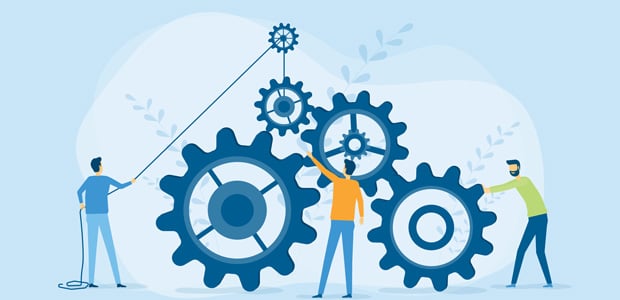
Starting and growing a business also means getting a team of people together to grow and work with you and support you. But that’s not always easy. Sometimes it takes a few tries to get that perfect match (new business idea: a LinkedIn and Tinder hybrid!) and you have to make tough decisions on who you want on your team.

There are now over 600 million blogs globally; the U.S.A. alone accounts for 31 million of them, and together they publish over 2.5 billion posts a year (that’s 4800 per minute)!

Many things in businesses are reliant upon achieving the right balance. Sometimes this balance can be easy to achieve and other times it can be much more difficult to obtain. Sometimes it is a statutory requirement and other times it is more of a yin and yang thing that improves the business in many different ways. But all are important.

You’d think that a pizza company wouldn’t be a poster child for digital transformation, but that’s exactly what Domino’s Pizza is – one of the first to debut an app that lets you order through your smartwatch or Tweet and track your order on your mobile device.

UK-based business, Cook My Grub, has exceeded its initial fundraising target by 150%, raising over £750,000 in just four weeks after receiving major investor interest. The challenger brand, which was conceived and launched within only seven months, is expected to shake up the food industry with a revolutionary platform that provides hungry local diners with access to home-cooked food that isn’t available on the high street.

More than half (57%) of SME owners plan to expand trade to new territories outside the EU and at home after the pandemic with the help of online tools, according to global small business platform, Xero.

The Women’s Business Awards has launched the call for entries for its annual competition. The Women’s Business Awards features over 20 categories including Businesswoman of the Year, Employer of the Year, and Diversity & Inclusion Award.

Buying British has been a trend that seems to go in and out of vogue every 10-15 years. The label ‘British Made’ was once a mark of quality and respected the world over. Items made from British steel were the pinnacle of reliability while, until the BSE crisis, British meat was regarded as the highest quality.

Recruitment remains a significant challenge for scaling a business. Like any other business skill, recruitment takes understanding and experience to get right, but the hiring process can be lengthy – anything from about 19 hours for design/creative roles to 30 for IT posts. Get it wrong and it all adds up to a colossal waste of time.

As the country slowly emerges from COVID restrictions, one of the lasting impacts of the pandemic is the mental health crisis it has left behind. For businesses to bounce back, employee wellbeing must become a commercial priority.

“My ‘lightbulb’ moment came when I was wedged into someone’s armpit. Now I want to help other people avoid this and get back to work safely…”. A commuter left frustrated at constantly having to travel on crowded trains has invented an app to help people move around more safely.

The finalists of the Future Hamburg Award, Hamburg’s international startup award, have been announced: ten European startups with smart solutions for the city of the future have qualified for this year’s award shortlist.

PointGrab, a maker of smart sensors that help businesses maintain social distancing in post-COVID offices, has completed a £3.4m equity raise led by specialist venture capitalist EMV Capital.
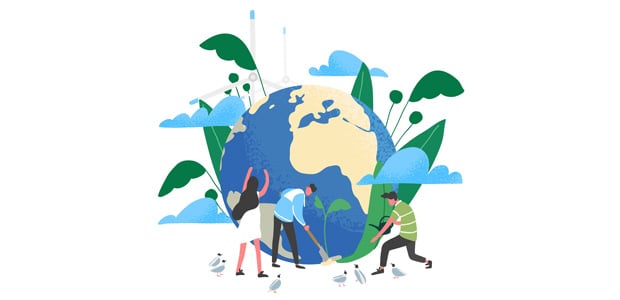
On 19th May, creative workspace and accelerator, Huckletree hosted Earthrise Summit, a virtual festival uniting sustainability leaders, politicians, and innovators from key cities including New York, Wyoming, Amsterdam, Paris, Dublin and London to inspire people to take action.

Despite the trials and tribulations of last year over three quarters (83%) of UK businesses met or surpassed their growth target according to a new study by Oracle NetSuite, the same percentage as a similar report conducted prior to the pandemic.

Vaccination against coronavirus began in many countries worldwide, which means that humanity will soon return to everyday life, including working life. Employees and employers can safely return to their offices. Let’s talk about how to do it right.
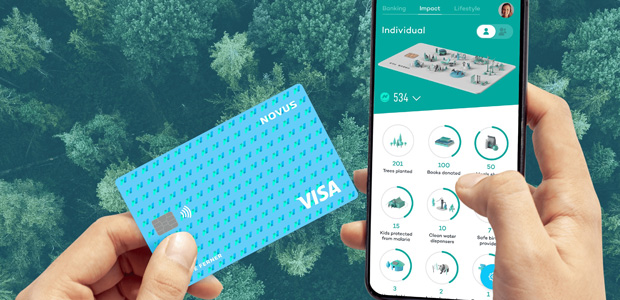
A massive 74% of consumers believe that retailers don’t supply enough information to help guide conscious and ethical purchasing decisions, according to new research by lifestyle and impact-driven banking app, Novus.