Life
The Coronavirus pandemic will change online behaviours significantly and possibly permanently both for consumers and businesses. People have been forced to access information in new ways, interact and purchase new and different products and services online, and the longer this continues, the more likely these are to become habits.

THE Covid-19 pandemic has made logging on to Zoom and Microsoft Teams part of a new daily working routine for millions of Brits. The use of the video-calling tools has exploded in the past fortnight with people following Government advice to stay at home. But there are increasing fears at how this key tool for home-workers is bringing new dangers.
Running your own business is not an easy thing. We know this. Everyone knows this. I am not saying anything revolutionary when I make this statement. But why is it hard? Well, to maintain financial and psychological wellbeing is tough for business owners but they’re not exclusive in feeling these worries, many employees also find maintaining financial and psychological wellbeing to be tough.
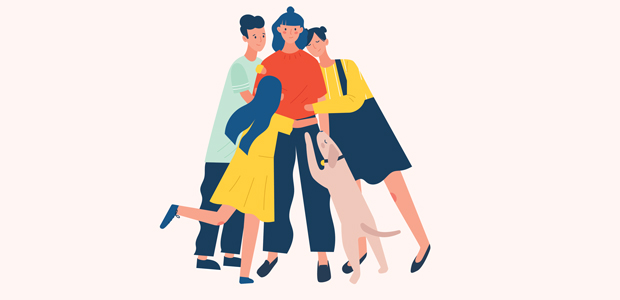
As the coronavirus pandemic continues to disrupt and dominate our lives, feelings of anxiety are completely normal during times of uncertainty and in some cases isolation. Everyone will be impacted in a different way and it is important to remember that you are not alone. Already there are so many stories emerging of human kindness and compassion and people pulling together to help and support each other.

Across the globe, millions of employees are being advised to begin distant or home working, but managing and coordinating a remote workforce is unfamiliar territory for many business owners.
Dhaka, Bangladesh; 2013 – around 1,200 people died and a further 2,500 people got seriously injured in a garment factory collapse. The ugly side of fast fashion reared its head.

The coronavirus pandemic has turned off the lights in millions of offices, factories and shops across the UK. But for many businesses who have switched to home-working the cost of their now empty property will still need to be met. And that dilemma is now causing growing concern among businesses – many of whom have seen revenue totally stop in the wake of the Covid-19 crisis. Today one of Britain’s leading law firms has advised companies with concerns over meeting the cost of commercial leases to hold ‘sensible’ discussions with landlords as quickly as possible. Harper James Solicitors also advise firms yet to get a plan in place to do so – before it is too late.
Upscaling can be a daunting task for any business, many will find it difficult to step outside their comfort zone or be reminded daily the risks with investing in new opportunities. While this approach may work in our personal lives, it can be detrimental to new business opportunities as well as the entrepreneurial mindset when it comes to upscaling your business.

These are strange times, unsettling times, and if I am honest this is not a normal question that I overhear much in more normal times, but recently THE question that I keep hearing is ‘do I have to work remotely and what does that mean for my customers?’ or, put another way, ‘does remote working have to mean working remotely?’
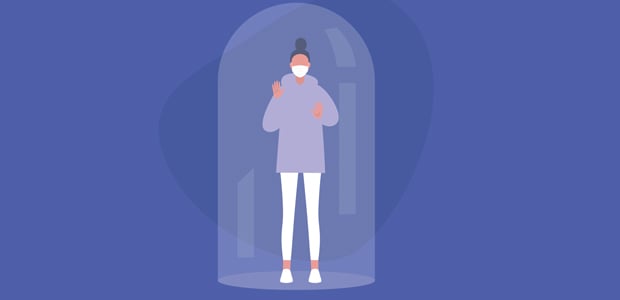
Over the last month I have been developing an article about how mental health can be affected by social media, and what this means for you and your start-up. However, there’s something on my mind, and I suppose I must bite the bullet and talk about Coronavirus.
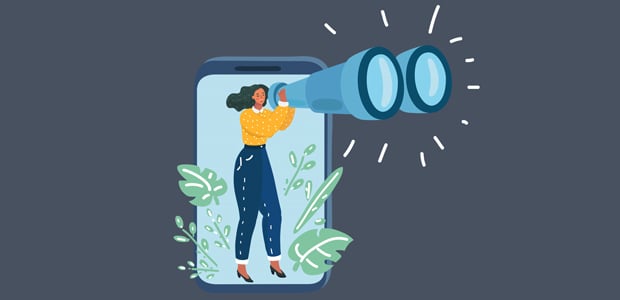
As the founder of a startup, you’ll have developed and nurtured a great idea over many months, maybe even years. Perhaps you’ve isolated a problem and worked out how to solve it. Or been frustrated by the lack of options available in a particular sector and hit upon the perfect way to fill the gap.
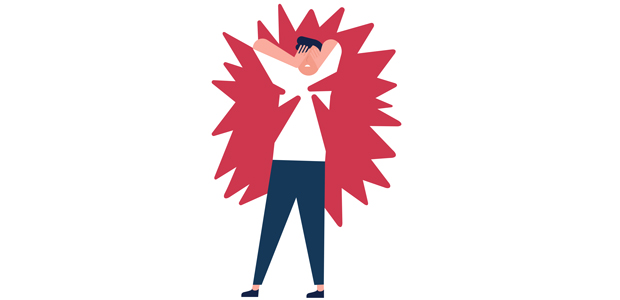
Is the coronavirus filling your days with anxiety and dread? Are you waking up each morning feeling like it is all a bad dream? Here’s how to restore a balanced mindset and get back a level head in the current circumstances.
Any business at any stage of its life must be able to adapt and change to changing circumstances. One of the very real benefits that early stage businesses have is that they are small and fast on their feet and are therefore perfectly structured to be able to react swiftly to changing circumstances.
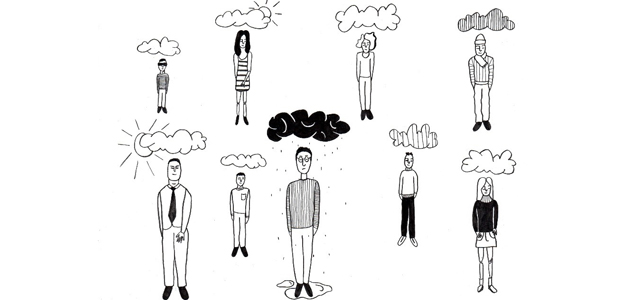
I was 39 when I came out of the mental health closet – about six years too late. Once I emerged, my stress levels were so high they had morphed into a condition called agitated depression, which led to a dramatic mental breakdown, four months off work and an attempt on my own life.
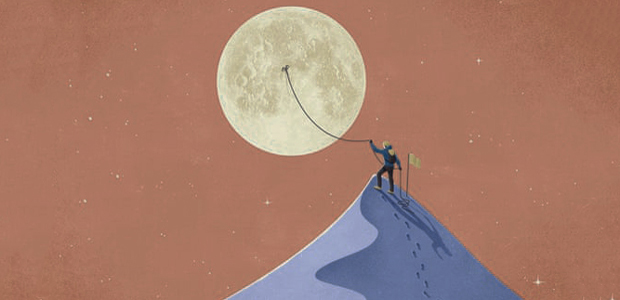
The word entrepreneur was first coined by the French some 200 years ago. Today its meaning and cultural context would be almost unrecognisable to its originators.
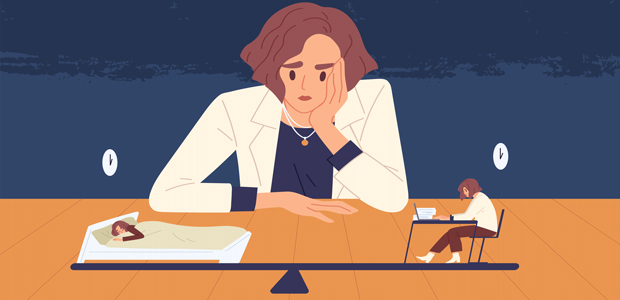
Around 67% of start-up leaders attribute personal health issues to their working lives, according to research released by leading global consumer health company, RB.

A startling statistic from the European Commission’s: when it comes to European startups, 83% of startup founders are male. At the European Institute of Innovation & Technology (EIT), we want to see more women entrepreneurs: more female ownership of startups, and more businesses owned by women. It’s about equality and social inclusion, it is also about a good economic sense and using Europe’s biggest untapped entrepreneurial talent pool – women.
Some people are afraid of networking and others love it! It is true. We have all come across people that love nothing more than going to networking events and chatting to as many people as possible – some of these really get the benefits that good networking can bring to them and their business, and others simply love networking because it fits their outgoing personality.
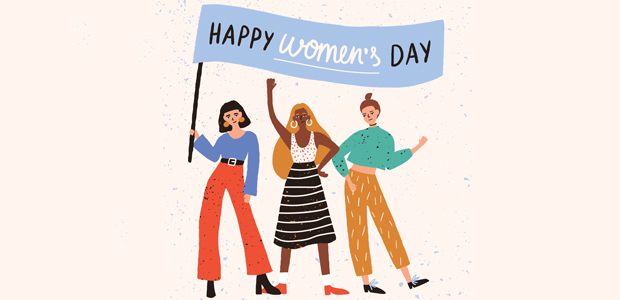
In honour of Interntaional Women’s Day, Startups Magazine spoke to Veronica Neo, co-founder & COO of dedicated classical music streaming service startup, Primephonic about what challenges she has faced as a female founder.
TouchNote recently led a debate on showing how to make membership models work, as the year 2020 is set to become the ‘decade subscriptions dominate’.