Funding

‘Debt’ is a loaded word in the world of business that has few positive connotations. It smacks of always playing catch-up, constantly being on the back foot and receiving calls from financial institutions that are polite but firm and extremely insistent that money is owed and that the calls won’t stop until it’s paid back along with any interest owed.

Latana, an AI-Powered brand tracking and consumer insights platform, has raised a €36M Series B equity and debt financing to scale its SaaS offering, which provides companies with consumer data and key insights to help track brand and campaign performance.

At any stage of business, choosing the right investor can be one of the hardest and complex decisions you can ever make. This individual will more than likely not just contribute financially but often operationally meaning choosing the wrong person could be detrimental to your business.
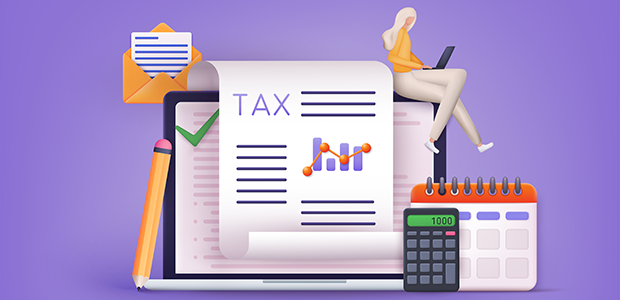
The UK’s Research and Development (R&D) tax relief scheme incentivises businesses to spend money on innovation. Small and medium-sized enterprises (SMEs) can receive a payable cash credit up to 33% of their eligible R&D spending which presents a strong opportunity for startups to reduce the cost of overcoming scientific or technological problems.

If you want to scale your early-stage business, and to grow it quickly, then it is quite possible that you will need to raise investment by selling part of your business to new investors. This is done by the business issuing new shares which has the impact of leaving the original shareholders owning the same number of shares that they did, but a smaller percentage of the total.
It’s not for nothing that the tech ecosystem can resemble an extreme sport at times.

UK inflation has risen to 10.1% in July, the first time it’s hit double digits in 40 years, according to the ONS – up from 9.4% in June. Driven by rising costs in energy, food, and fuel, this has resulted in a drastic drop in funding and valuations across the startup arena, with a report from Tech Nation revealing that 50% of earlier-stage startups were struggling to scale beyond the seed and pre-seed stages.

The ‘war for talent’ is only intensifying, meaning every perk counts. If you weren’t offering your remote/hybrid team members an attractive home office package before, you should seriously consider doing so now.

It has been said that ‘when the going gets tough, the tough get going’. But in reality, when a recession is looming and the business environment gets even tougher than normal, many more businesses, especially early-stage businesses, will fail.

Aerospace Xelerated has announced that its call for applications is open.

If you’re thinking of starting a small business, it won’t do you good if you don’t know how to keep track of your money. Bookkeeping involves more than just maintaining receipts; it includes preparing financial statements and taxes. In this quick-start guide, we’ll introduce you to bookkeeping tips so you can get started in the right direction.

The front pages of the newspapers tell us that the economy is on a precipice. Interest rates are rising, inflation is at a 40-year high, and many report that venture capital is pulling back.

One in three UK small and medium enterprises (SMEs) say their survival is dependent on accessing finance by the end of the year, new research from NerdWallet has revealed.

AWS is launching a one-of-its-kind programme that gives more women founders the support they need to accelerate their businesses.

Sainsbury’s partners with Williams Advanced Engineering and gives green light to sustainable startups with £5m investment

More than a quarter of SMEs believe that debt funding is more widely available to male-owned businesses than female, according to research conducted by independent asset manager BOOST&Co.

When starting your own business, there are hundreds of things to think about and it can seem like the list of expenses is never-ending. From operational costs, to the cost of overheads, employing staff and getting your company’s name out there, there are many costs that need to be paid. However, if you are savvy, there are certain areas where you might be able to cut costs and keep your business more cost-efficient and today we hear from some industry leaders to get their thoughts.

These are tough times for many businesses. Rapid inflation and so rising input costs. Rising interest rates leading to increased financial costs. Squeezed consumers buying less and making it difficult to pass on increased costs by increasing prices. Add to this, recession, and global supply chain issues, and for many it is the perfect storm conspiring to undermine business.

Disparity from HR, eagle eye investors who are aware of the issue and startups with big goals and small bank accounts have all compounded into a tech recruitment issue causing much debate in the industry.

The payments world is complex and packed with innovative payment providers and technologies that cater to every customer’s need. This multitude of providers shows the increasing innovation in this sector. Equally, it makes it challenging to navigate the payments ecosystem and find the right providers for the right markets.