Features

Launching a new business is not for the faint hearted even when market conditions are ‘perfect’. Doing that in the midst of the worst global pandemic in over a century is, by any standards, rather bold.

Right now, your customers are likely continuing to be bombarded with emails about COVID-19 — from their local supermarket, pet store, doctor, restaurant, gym, the list goes on — particularly as lockdown restrictions begin to ease.
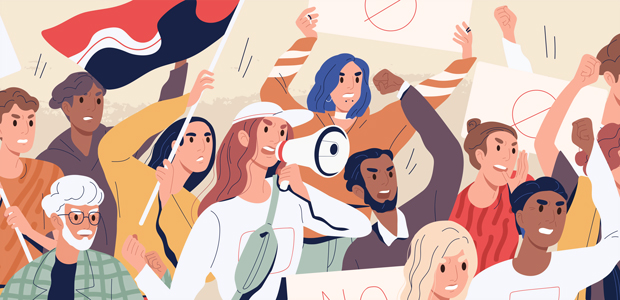
Knowing your enemy is more important than ever. Whether as an individual, a consumer or a brand, defining your enemy creates momentum and can be the catalyst for positive change.

Taking single use plastics out of circulation is no easy feat, but the answer might lie closer than we think.

As lockdown restrictions begin to ease, many employers are having to think about how they go about bringing back employees to the office, and what this might look like in the future. Anthony Rose, CEO and co-founder of SeedLegals here gives his take on what London’s top startups are saying about the office.
Coronavirus has caused businesses around the world to face the most impactful shake up in traditional operations many of us have ever experienced, one person who knows a lot about businesses is Business Development Director at The Translation People, Alan White, so Startups Magazine spoke to him about the current climate.

The coronavirus crisis and the impact it has had on businesses and financial resources has made the prospect of growing a business seem like a distant reality for some organisations. But for British small and medium-sized B2B organisations, Brexit is an opportunity to look beyond the EU to new geographies.
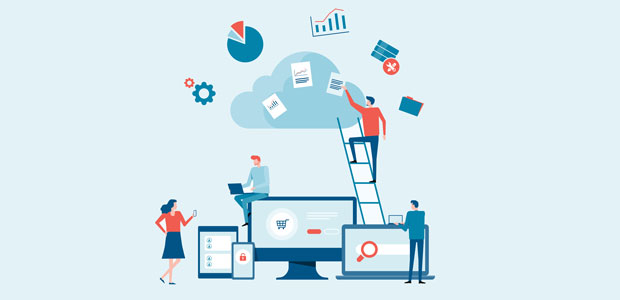
The coronavirus pandemic has sent shockwaves through the global economy. Businesses of all sizes are reeling from a crunch on both supply and demand. Staff members off sick or having to look after small children, disruption to supply chains, a significant drop in revenue due to lockdowns and a reduction in consumer spending have presented challenge after challenge.
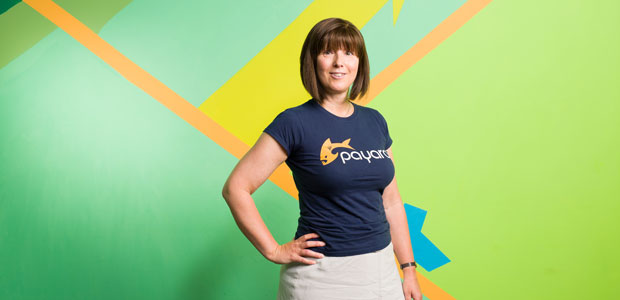
As society is beginning to adjust to a new ‘normal’, businesses across the country have been working hard to ensure they keep their services up and running and continue meeting their customers’ needs throughout this uncertain time.
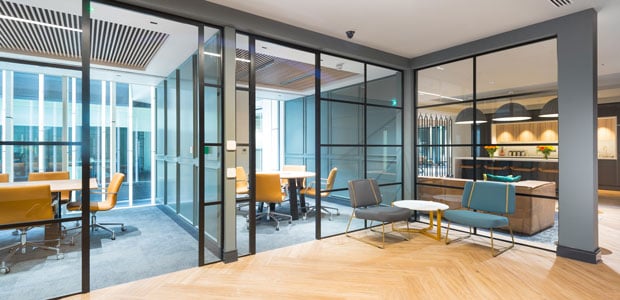
Many businesses are looking at their current office space in the light of COVID-19 to accommodate staff rotation, flexible working hours, working from home and commuting restrictions.

New research reveals that nearly half (49%) of UK adults have not installed or didn’t know whether their mobile phone has security software. So keeping personal data safe from hackers has never been more important.

In 1944, as the WWII was drawing to a close, a gentleman called Harold Samuel decided to start buying houses which had basically been demolished due to the bombing. The idea, seen crazy by many (after all, what is the value of a pile of rubble?), did work, as his company – Land Securities – went on to become the UK’s leading property company: a position it still holds today.

As with everything about starting a business, different people do it for different reasons, and they have different levels of ambition. Some people want it to remain a side hustle or a very modest lifestyle business whilst others have plans from day one to scale and grow it into a multi-million GBP international operation.

When it comes to tapping into the entrepreneurial mindset to mine some golden nuggets of inspiration for business growth, who better to speak to than a winner of the BBC’s Apprentice. Therefore, when we had the opportunity to speak to 2014 champion Mark Wright, founder of Climb Online and the CLIMBCON business event, we jumped at the chance.
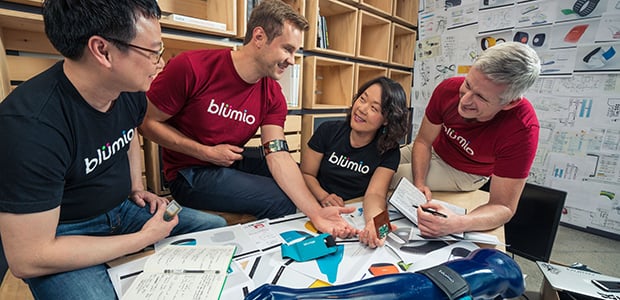
Semiconductor manufacturer Infineon Technologies has always been keen to work with startups and entrepreneurs and has done for many years. However, a year ago the company took the decision to make this collaboration more structured and more visible to the outside world, and so introduced its startup cooperation programme, Inno.Wafer. We spoke to the man heading up that programme in EMEA, Lamin Ben Hamdane, to find out more.

Over the past few months, most businesses have had to rethink how they operate and how they reach their customers. At the same time, there’s been drastic changes in customer behaviour, with huge increases in online purchases. For example, Shopify saw a 68% MoM growth of UK consumers estimated to make a purchase online from a UK Shopify merchant for the first time in April 2020.

Following the global sports hiatus brought on by the coronavirus pandemic many sports have now returned to action, much to the delight of fans worldwide. We’ve recently seen the likes of Europe’s top football leagues finish up the remaining games of their seasons and now eyes are well and truly stateside with the NBA, MLB and NHL returning over the past few weeks.
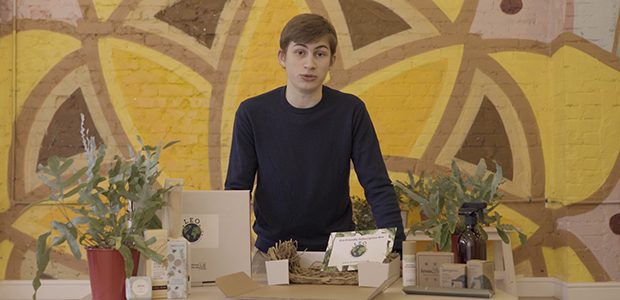
Lysander Bickham, Founder and CEO of Loving Earth’s Oceans (or Leo’s Box for short), shares his story of setting up an eco-friendly subscription startup while still at school, and offers five simple steps any business can take to improve its sustainable practice.
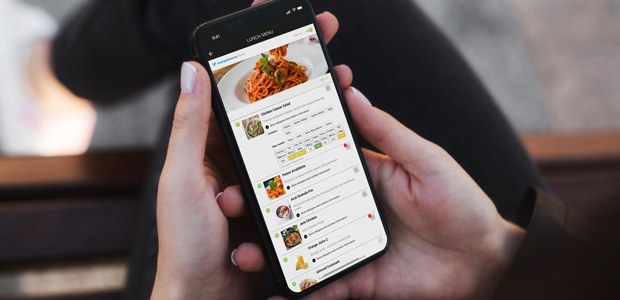
Talking all things AI and new and emerging technologies at the moment, as we prepare for our next issue – out tomorrow! Startups Magazine spoke to Andy Baggott, Marketing Manager at Kafoodle – a fast-growing food tech company launched in 2016 with the goal to simplify food safety and kitchen compliance, helping the hospitality industry manage their ingredients, recipes and allergen information.

To celebrate Startups Magazine’s latest issue release (this week), which is focused on AI and emerging technologies, here at Tractable, recent winner of Best UK startup in the Hustle Awards, we decided to explain a bit about how we’re bringing AI to the world on a commercial basis. Accidents and disasters affect millions of people every year. And the recovery process always starts the same way – assessors inspect the damage, approve an insurance claim, and unlock the funds to begin the rebuild.